Most green marketing is just preachy wallpaper. Here is how to use marketing science and creative strategy to actually make people care about the planet.
The Great Green Boredom of 2026
It is Earth Day 2026. If I see one more LinkedIn post featuring a pair of cupped hands holding a sprout, I am going to personally drive a diesel truck into a botanical garden. We have spent decades trying to 'save the world' with stock photography of wind turbines and fonts that look like they were carved out of a damp potato. It is not working. The planet is still melting, and more importantly for your Q2 KPIs, nobody is watching your ads.
Marketing Science vs. The Green Myth
Marketers love to believe that if we just explain the carbon math clearly enough, consumers will have a rational epiphany and switch brands. This ignores everything we know about The Law of Emotion Over Reason. Humans are not spreadsheets with legs. We are emotional, irrational creatures driven by status, fear, and the desire for things to be slightly more convenient than they were five minutes ago.
Effective sustainability campaigns from The Green Wave playlist do not try to change minds through logic. They build memory structures. They use The Law of Fluency to make the message so easy to process that it bypasses the 'I am being lectured' filter in the brain.
Strategy Type | The Old Way (2010-2022) | The New Way (Selfstorming 2026) |
|---|---|---|
Tone | Preachy, moralistic, 'We all must do our part' | Witty, honest, 'Look at this absurd mess' |
Visuals | Leaves, blue marbles, soft sunlight | Distinctive Assets that break the category norm |
Mechanism | Information delivery (The 'Facts' approach) | |
Goal | Changing attitudes | Linking the brand to Category Entry Points |
Stop Telling, Start Doing (Or Just Be Funny)
A lot of “green” campaigns feel the same, so we collected the ones that don’t and turned them into a FREE PLAYLIST.
If you want to actually impact behavior, you have to solve a tension. Look at Doconomy: Do Black. It did not run a TV spot about overconsumption; it created a credit card that stops you from spending when you hit your carbon limit. That is The Law of Physical Availability applied to morality. It makes the right choice the only choice.
https://www.selfstorming.com/campaigns/playlists/the-green-wave
Or, if you lack the budget to invent a new banking system, try being uncomfortably honest. Greenpeace UK: Wasteminster did not use data points about plastic waste. It dropped a literal tidal wave of plastic on a CGI Boris Johnson. It used Make a Parody to turn a boring truth into a cultural moment. This is The Law of Fame in action - being noticed matters more than convincing people with rational arguments.
"Sustainability is the only category where we think being boring is a virtue. It is not. It is a suicide note for your media budget."
The Absurdity of the 'Green' Asset
Most brands have zero distinctive assets in the green space. They all use the same shade of sage green and the same lowercase sans-serif font. They are practically begging to be mistaken for their competitors. To fix this, you need to apply The Distinctiveness Law. Being recognizable is more important than being 'meaningfully different' in your sustainability claims.
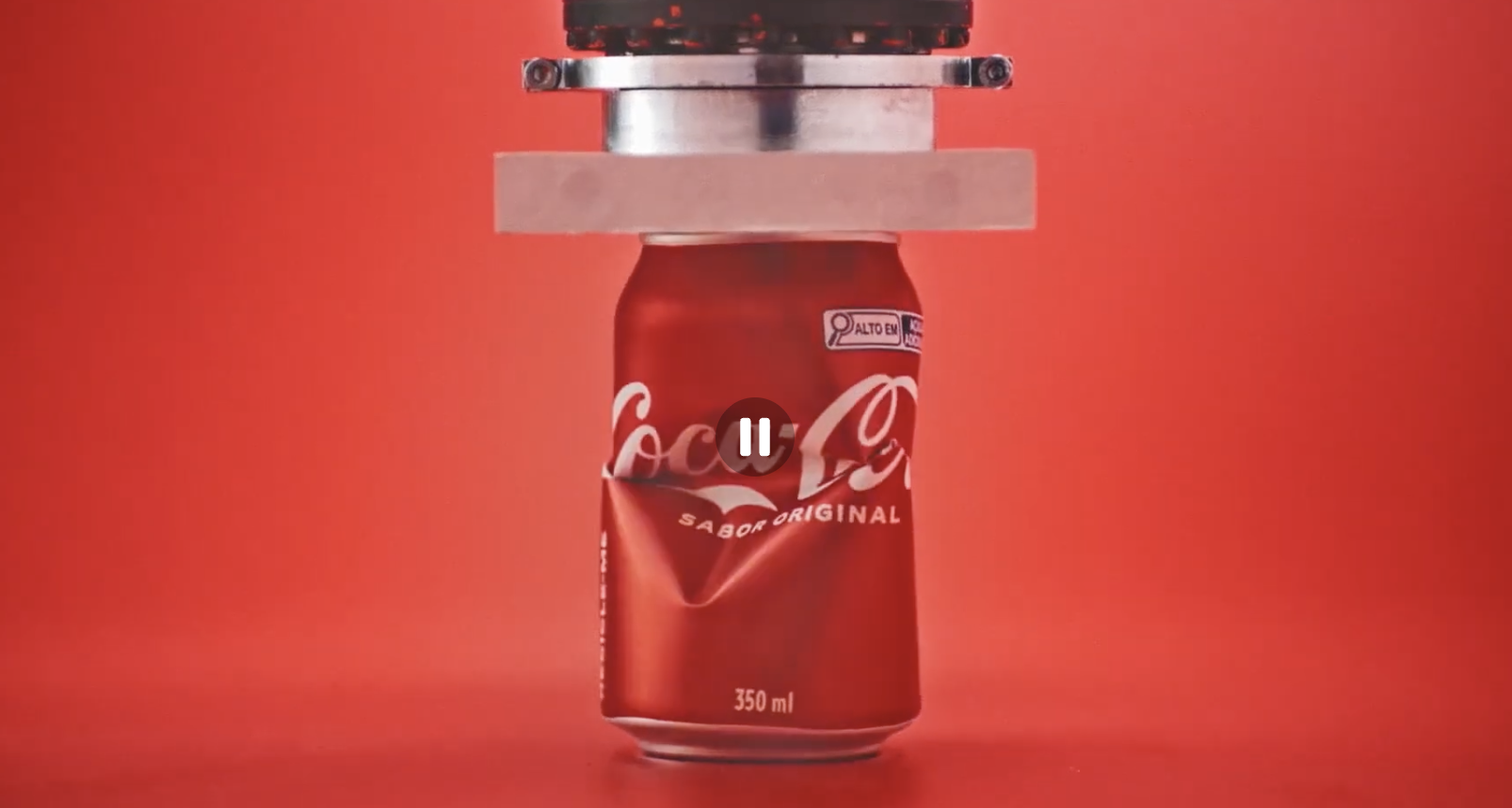
Take Coca-Cola: Recycle Me. They did not invent a new mascot. They took their most valuable asset - the logo - and crushed it. It is simple, it is visually jarring, and it uses Show Don't Tell to communicate a message about recycling without a single bullet point of copy. It respects The Low Attention Law: people are only going to look at your ad for 1.7 seconds, so make those seconds count.
How to Brief Earth Day 2026 Without Firing Your Creative Team
If you are currently staring at a brief that asks for 'an inspiring video about our commitment to the future,' please close your laptop and take a walk. Then, come back and use the Creative Session tool to find a real tension. Here are three ways to reframe the problem:
Attack a Cultural Blind Spot: Like 350 Action: Climate Name Change, which pointed out that we name storms after people but not the politicians who ignore them.
Turn Data Into Drama: Do not say '90% of plastic is not recycled.' Show it. Make it a monster. Use the Horror Movie mechanic.
Create a New Ritual: Like WWF: Save as .wwf, which turned a file format into a conservation act.
The Bottom Line
By Earth Day 2026, the brands that win will be the ones that treated the environment as a creative challenge, not a corporate obligation.