This summer, the algorithm is trading dopamine for 'cozy' vibes and micro-dramas. Here is how to navigate the 2026 social trends without losing your soul.

The Great Summer Pivot: From Chaos to Calm
If you were planning to spend this summer chasing every fleeting TikTok dance or screaming into the void with high-octane 'disruptive' content, I have some news that might hurt: your audience is tired. According to the latest 2026 social trend data, we are entering the era of the 'Cozy Aesthetic' and 'Frugal Optimism.'
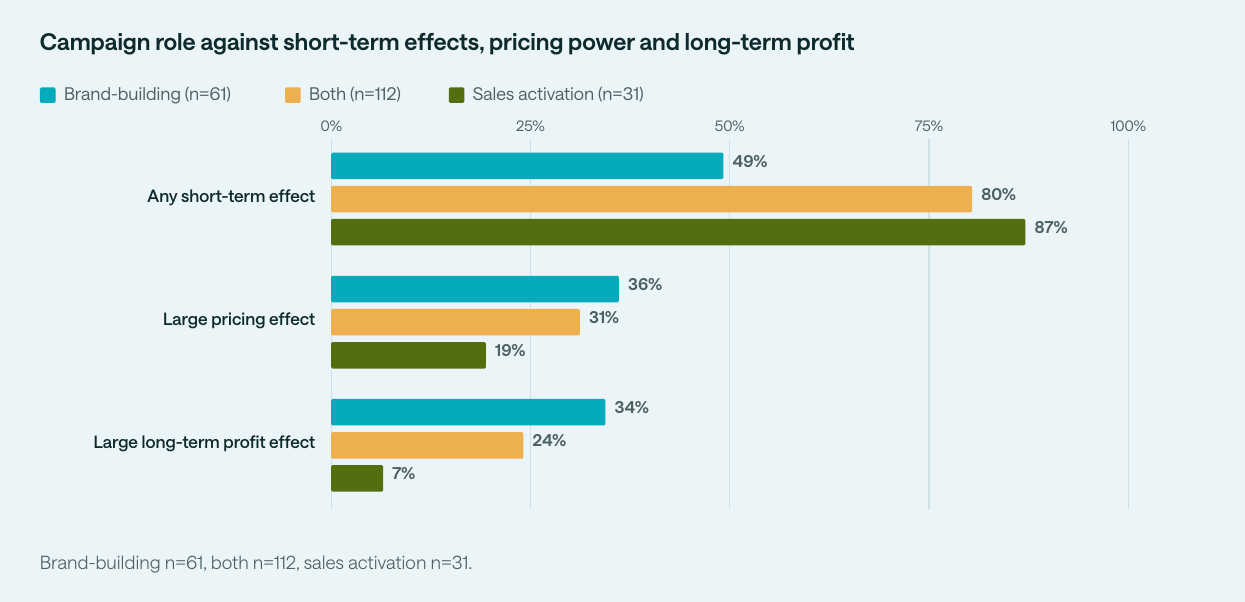
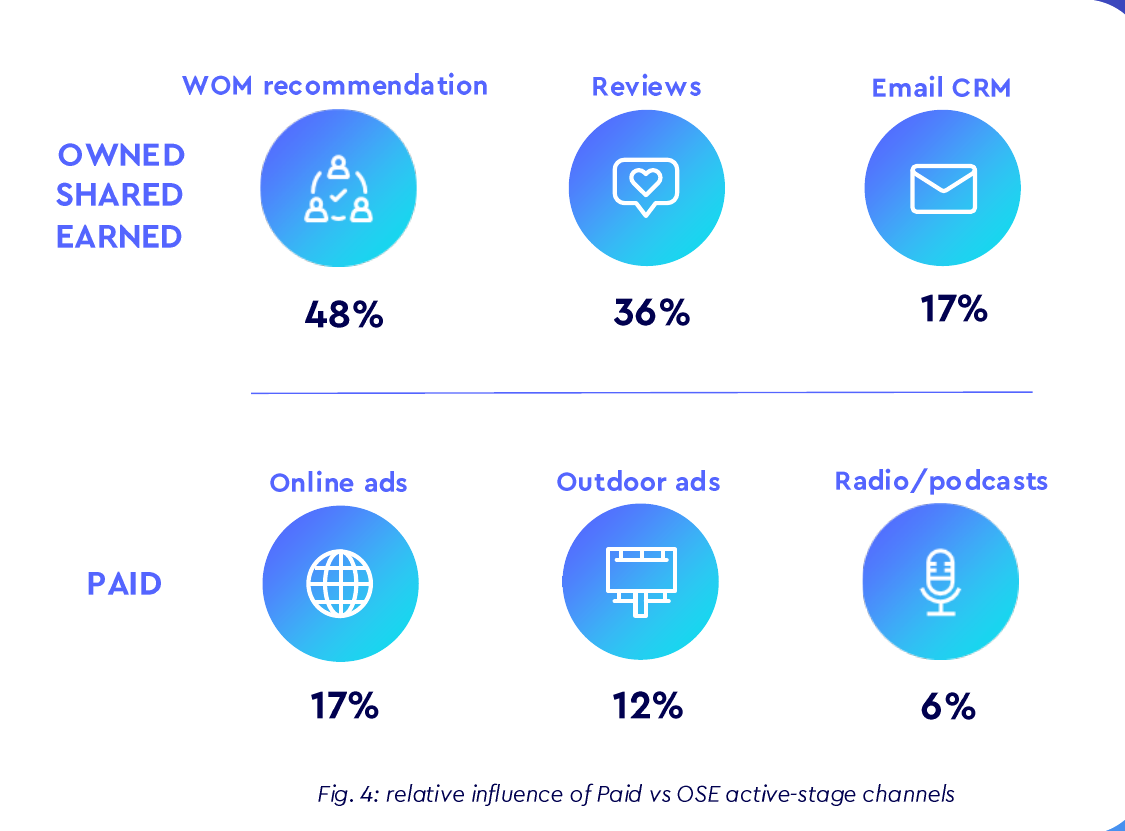
While Gen Alpha is still busy with Embrace the Weird and nonsensical memes, the high-spending Millennials and Gen Z are pivoting toward slow living. They aren't looking for more noise; they are looking for Solve a Daily Annoyance. The 95/5 Law reminds us that most of your buyers aren't in-market right now, so if you're not building mental availability through 'calming' vibes, you're just digital wallpaper.
The 2026 Trend Matrix
To win this summer, you need to understand that the social landscape has fragmented into specific 'side quests.' You can't treat LinkedIn like a corporate graveyard anymore, nor can you treat Instagram like a polished catalog.
Trend Name | Target Audience | The Creative Move | Strategic Tool |
|---|---|---|---|
Nostalgic Remix | Gen X / Older Millennials | '70s and '80s throwbacks with a modern twist. | |
Micro-Dramas | Gen Z / Alpha | Social-first series with episodic tension. | |
Chaos Culture | Gen Alpha | Absurdist, lo-fi, and intentionally 'broken' content. | |
Cozy Aesthetic | Millennials | Slow-paced, meaningful, and frugal optimism. |
Stop Optimizing for Clicks, Start Optimizing for Attention
The Low Attention Law states that most advertising is processed passively. In 2026, the 'Micro-Drama' trend is a direct response to this. Deloitte predicts this format will generate nearly $8 billion this year. Why? Because it uses the Open Loop technique to force active attention in a passive feed.
Think of Life360's dark musical or Toblerone's Tantrum Girl. These aren't just ads; they are entertainment units that happen to feature a product. If your summer campaign feels like a brochure, you've already lost to a 14-year-old with a ring light and a better sense of Rhythm & Pacing.
"In 2026, the most expensive thing you can be is boring. Authenticity isn't a filter; it's the willingness to leave the stutters and the typos in the final cut because humans don't trust perfection anymore."
The AI Paradox: Efficiency vs. Soul
We are currently at a weird crossroads. AI-generated content has officially surpassed human-written content in volume, yet a third of consumers say they are less likely to choose a brand that uses obvious AI ads.
The move this summer? Use AI for the 'backstage' heavy lifting—predictive analytics and rapid testing—but keep the 'front-of-house' human. Use your social team as creators. Adopt a Brand as a Character mindset. When Duolingo staged the death of their mascot, it wasn't a 'strategic outcome'; it was a chaotic human choice that felt real.
Actionable Summer Checklist
Audit your 'Cozy' factor: Does your content feel like a warm hug or a high-pitched sales pitch?
Experiment with Substack and LinkedIn: LinkedIn is entering its 'creative era.' Stop posting white papers and start posting The Vulnerability Move.
Use 'Fastvertising': Don't wait for a monthly content calendar. If something happens in culture at 10 AM, your response should be live by lunch. Speed beats production value every time.
Build a Utility: Instead of another 'Summer Sale' post, can you Build a Utility? Think of Skip's Inflation Cookbook. It solves a problem (rising prices) while selling a service.
The Final Word on ROI
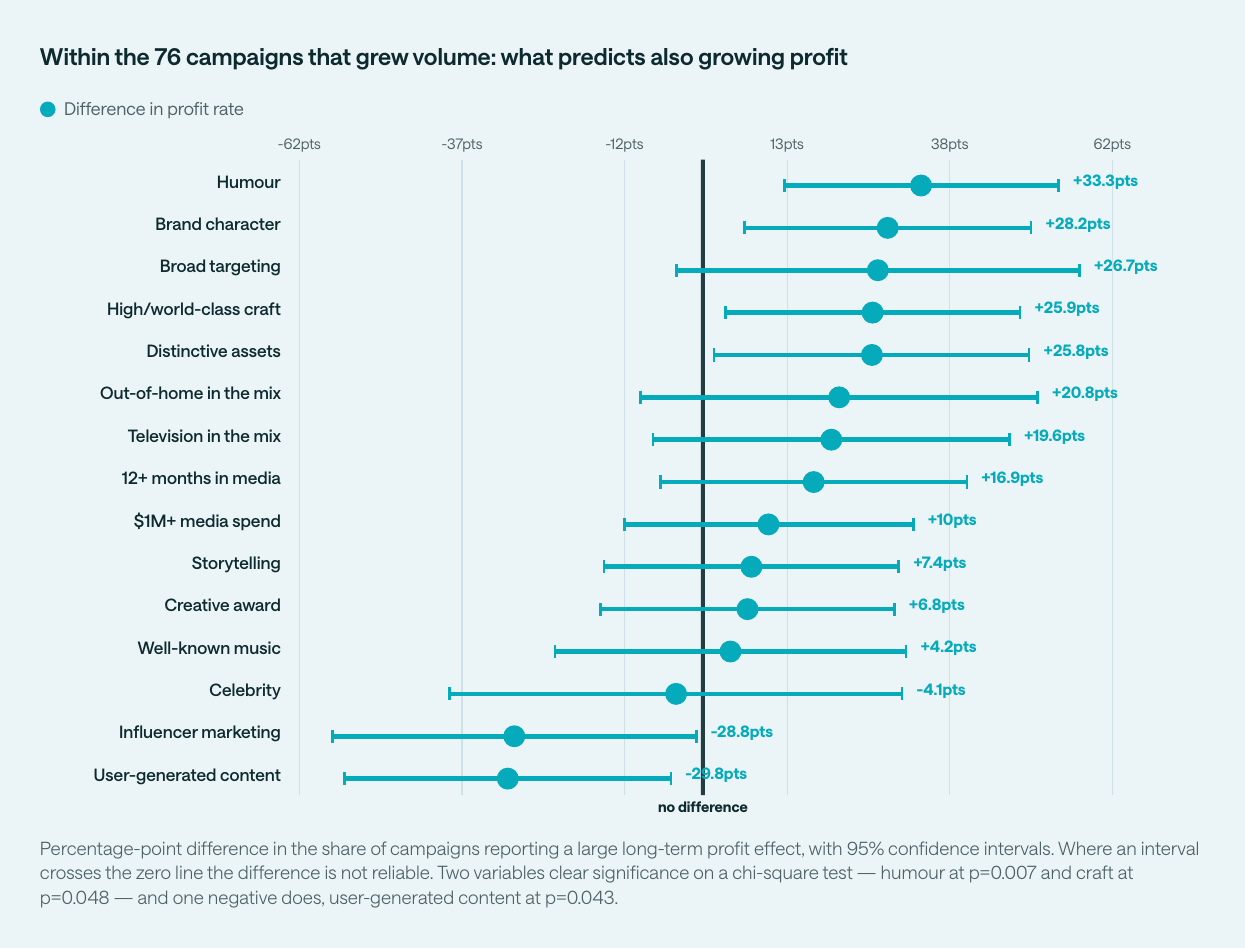
Partnerships are shifting from 'Influencer' to 'ROI Creator.' Stop looking at follower counts and start looking at Category Entry Points. Does this creator link your brand to a specific summer situation—like a beach trip or a backyard BBQ? If not, you're just buying vanity metrics. As Rory Sutherland might say, we often measure what is easy to measure, rather than what is important. This summer, measure the connection, not just the clicks.