A brutally honest, science-backed look at the Day 4 Cannes winners that chose human truth over corporate wallpaper.
This year’s Day 4 winners did not win because they used the word "synergy" or built a VR experience for three people in an art gallery. They won because they understood how humans actually behave. They stood on The Law Of Mental Availability and The Law Of Fluency, proving that the best strategy is usually the one that sounds incredibly obvious after someone else does it.
Let's deconstruct the work that actually earned its metal.
---
The Greek Tragedy of Empty Rice Fields
Greece has won its first-ever Grand Prix, and they did it by selling rice that nobody is supposed to eat. McCann Athens took home the Creative Business Transformation Grand Prix for Wikifarmer: The Wedding Rice.
Here is the reality of the business: Greek farmers produce tons of non-edible rice grains that usually end up in a landfill or a spreadsheet of lost margins. Meanwhile, every weekend, thousands of Greek mothers-in-law buy premium rice specifically to throw at newlyweds for cultural luck.
"The strategy did not require a new global logistics platform or a five-year digital transformation roadmap. It required looking at a pile of waste and realizing it was actually wedding confetti."
By repackaging the non-edible waste specifically for wedding ceremonies, Wikifarmer created a high-margin product out of literally nothing. It is a textbook application of The Context Law - change the packaging and the moment of consumption, and the perceived value of trash suddenly skyrockets.
---
AXA France and the Art of Social Utility
The Creative Effectiveness Grand Prix went to Publicis Conseil for AXA: Three Words. Insurance advertising is usually a sea of blue-tinted corporate promises about "being there for you," which, predictably, everyone ignores because we all know insurance companies exist to deny claims.
AXA did not run another ad saying they care. They changed their actual product. They added three words - "and domestic violence" - to their standard home insurance policies, providing immediate emergency housing and legal support for victims of abuse.
Why did this win Creative Effectiveness? Because of The Law Of Costly Signaling. Consumers are not stupid; they know talk is cheap. When a brand alters its actual legal contracts to solve a real human crisis, it signals genuine commitment. It moves the brand from a passive bill you hate paying to a functional lifeline. It is the ultimate expression of the strategy Turn Brand Values Into Action.
---
The Pub That Refused to Die (and Refused to Sell Guinness)
In the Creative Strategy category, Heineken and LePub Milan/Publicis Dublin won the Grand Prix for Heineken: The Pub That Refused to Die.
When local pubs in small Irish villages began closing due to rising costs, Heineken did not run a nice poster. They built a system that allowed communities to collectively buy and run their own closing pubs, providing the training and infrastructure to keep the taps flowing.
This is behavioral science in a pint glass. It works because of The Reciprocity Law. If a brand saves your local pub - the actual social anchor of your village - you are probably going to buy their beer, even if your grandfather only drank stout. It bypasses rational arguments about taste and goes straight for the emotional gut.
---
The Wes Anderson Approach to Heavy Winter Jackets
The Luxury Grand Prix went to Moncler: Warmer Together, created by Wesayhi. Luxury advertising has spent the last decade trying to look "edgy" by putting miserable-looking teenagers in expensive coats in front of grey concrete walls.
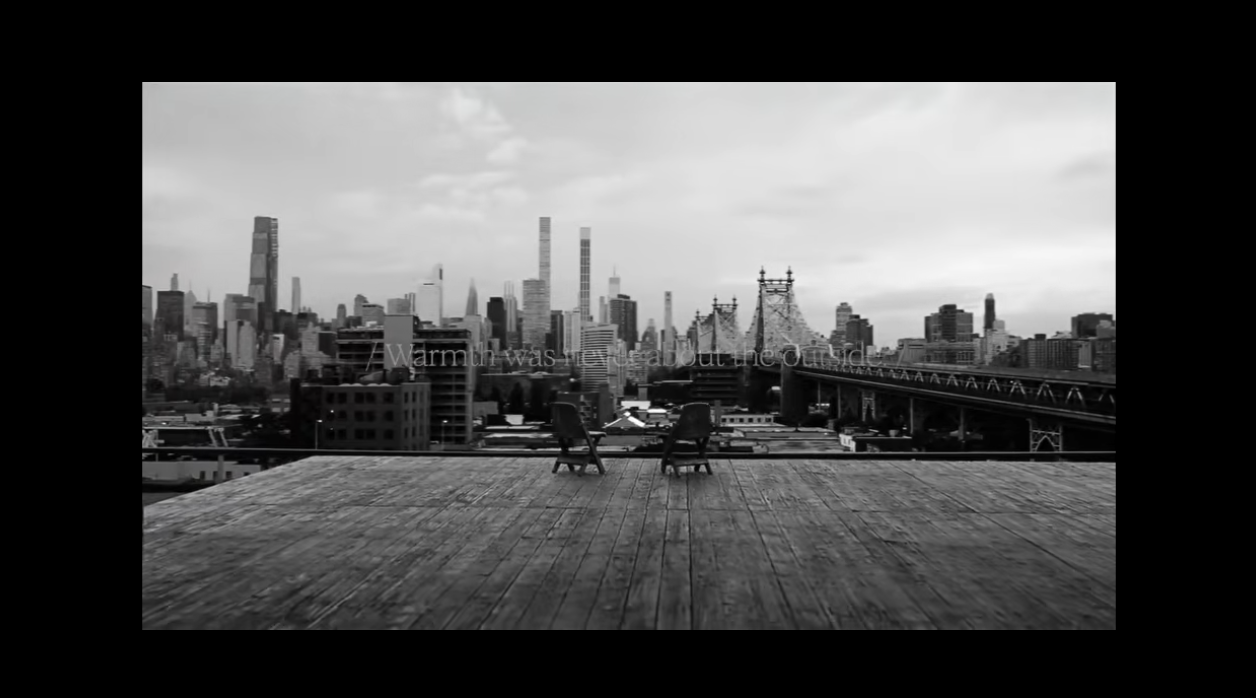
Moncler did the exact opposite. They put two chairs in a room, sat Robert De Niro and Al Pacino in them, and let them talk about their fifty-year friendship. No special effects, no fast cuts, no neon lights. Just two old friends discussing what actually keeps a human warm on the inside.
It works because it stands on The Law Of Emotion Over Reason. In a category obsessed with outward status, Moncler reframed warmth as an internal, emotional state. It proved that sometimes the most luxurious thing you can do is have the confidence to be quiet and simple.
---
The Flat-Earth Sales Promotion
In the Brand Experience & Activation category, Columbia Sportswear won the Grand Prix for Columbia Sportswear: Expedition Impossible.
Most outdoor brands try to prove durability by showing a professional climber looking intense on a wet rock in Oregon. Columbia decided to have some fun with the internet's collective lack of sanity. They publicly challenged Flat-Earthers to find the actual "edge" of the planet, offering the entire company to anyone who could bring back a photo of the giant ice wall.
This is pure The Law Of Fame. By stepping directly into a ridiculous internet controversy, Columbia did not just describe their jackets - they put them on a real, high-stakes expedition that dominated the news cycle. It is a masterclass in the strategy Roast the Competition, except the competitor was the concept of gravity itself.
---
The Polish Superstition Engine
The Creative Commerce Grand Prix went to VML Warsaw for Wisła Kraków FC: Lucky Fan Index.
Football clubs usually sell tickets by appealing to loyalty, which works fine when you are winning, but is a disaster when you are sliding down the league table. Wisła Kraków realized that fans are deeply superstitious. They do not just watch games; they believe their physical presence in the stadium directly influences the score.
So, the club built an AI tool that analyzed historical match data to calculate each fan's personal "luck score" based on the games they had attended. If the data proved the team won 90% of the time you sat in Row 4, the app urged you to buy a ticket for the next home game to "save" the team.
This is brilliant because it stands on The Law Of Loss Aversion. It reframed buying a ticket from "supporting the club" to "preventing a disaster that will be your fault." It turned commerce into a psychological obligation.
---
The End of Proof of Concept
Finally, the Innovation Grand Prix went to TBWA\Canada for adidas: Supernova Adaptive, a performance running shoe designed specifically for athletes with Down syndrome.
As the jury president noted, in the age of generative tools, creating a concept is cheap and fast. Anyone with a laptop can generate a rendering of a futuristic shoe. But innovation is not about showing what is possible; it is about proving what can change. By actually manufacturing and distributing a shoe that solves a real anatomical barrier, adidas moved from "brand purpose" to physical utility.
If you are still sitting in a meeting room trying to write a slogan about "inclusivity," stop. Go look at your product, find the person who cannot use it, and fix the friction. That is how you win a Grand Prix - and more importantly, how you actually build a brand that people remember when they are not in Cannes.