A strategic look at OpenAI's GPT-5.6 Sol, Alibaba's Wan3.0, and ElevenLabs' emotion-preserving dubbing, analyzed for brand directors and creative strategists.

The Shift From Answering Questions to Completing Work
For the last three years, marketers have treated AI like a slightly over-eager intern who is great at summarizing PDFs but needs constant hand-holding to write a decent brief. This week, the plumbing changed. We are seeing a distinct transition from conversational Q&A to autonomous task execution. When the tools stop talking and start doing, the bottleneck in your agency workflow shifts from asset generation to strategic curation. Here is our brutally honest breakdown of what actually shipped this week, and how to adjust your planning assumptions on Monday.
---OpenAI Upgrades GPT-5.6 Sol and Expands Free Access
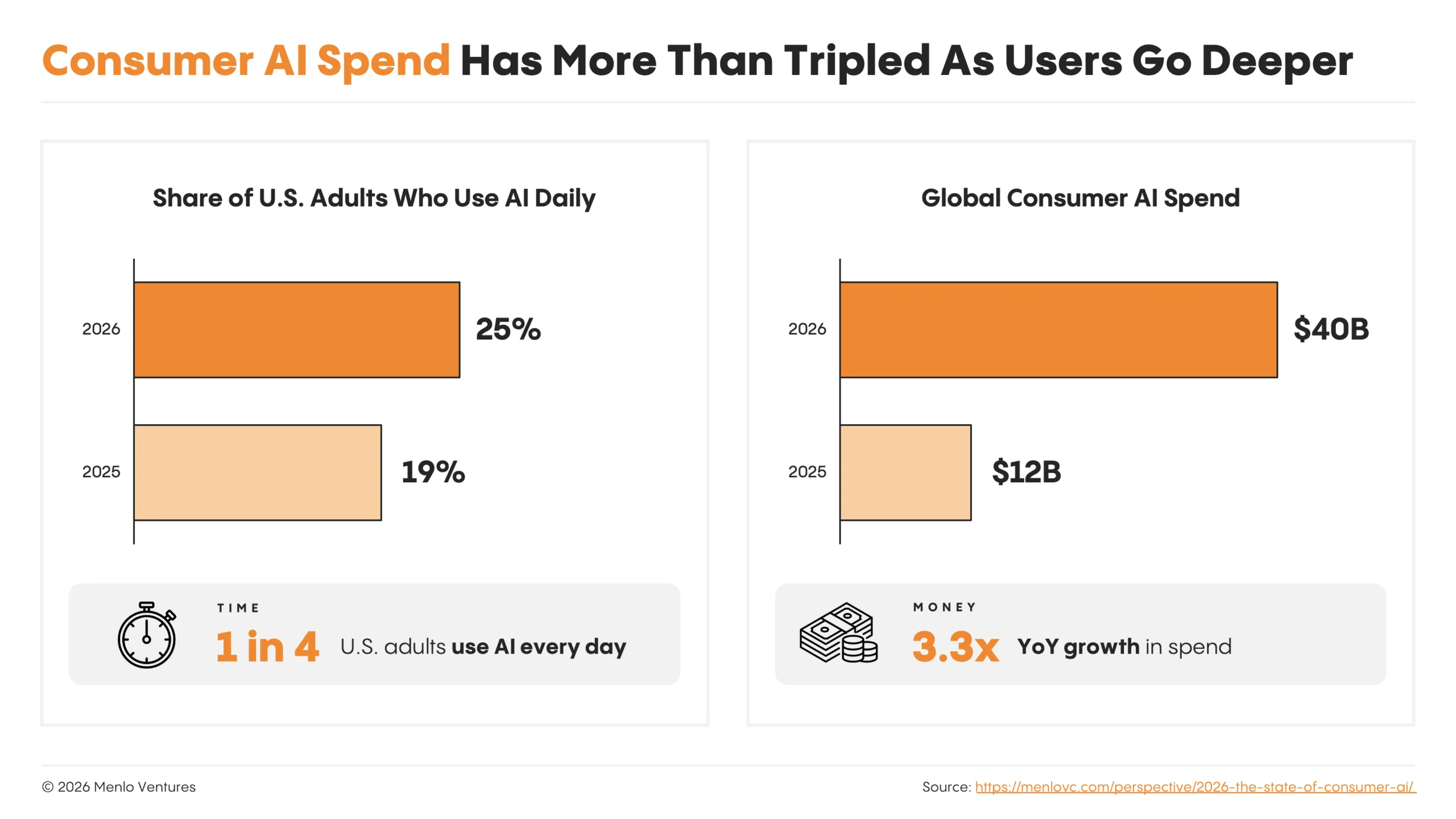
OpenAI has rolled out its upgraded GPT-5.6 Sol model within ChatGPT, while granting free users unlimited access to its Luna chat interface. For brand directors, this is not just a technical speed upgrade - it is a massive expansion of the consumer touchpoint landscape. As advanced reasoning models become friction-free for the general public, consumer search behavior is shifting rapidly away from traditional search engines toward conversational discovery. This directly impacts your brand's mental availability. If your product is not easily surfaced within these chat interfaces during a user's research phase, you are effectively invisible in the modern buying journey.
The Transition From Search to Task Completion
In a parallel release, OpenAI shared telemetry data showing that ChatGPT usage is shifting from simple Q&A to complex task completion. Users are no longer asking "how do I build a media plan?" - they are telling the machine to build, format, and export the media plan. This behavioral shift changes how we must think about Category Entry Points. When consumers delegate their decision-making process to an agentic assistant, the brand that wins is the one that has built the strongest default associations. If your brand is not the automatic, top-of-mind choice when the machine executes the task, you will not even make the consideration set.
"The real risk of agentic AI is not that it makes mistakes, but that it makes decisions so quietly that your brand never even gets invited to the pitch."
Alibaba Wan3.0 Stretches Video Generation to 30 Seconds
Alibaba has launched Wan3.0, a multimodal video generator capable of producing 30-second HD clips from diverse inputs. This is a significant jump from the typical 5-second loops we have seen previously. From a creative production standpoint, this drastically lowers the cost of testing diverse visual concepts. Instead of committing a massive chunk of your production budget to a single, highly polished TV spot that might underperform, you can now generate and test ten distinct 30-second narrative directions in parallel before ever booking a camera crew.
BFL FLUX 3 Introduces Native Audio Video via API
Black Forest Labs has released FLUX 3 Video, delivering 20-second HD clips with native, synchronized audio directly through their API. This is a major step forward for programmatic creative. By combining video and audio generation into a single, cohesive model, brands can now generate hyper-personalized video ads in real-time based on live user data. This shifts the media buying equation: rather than buying broad reach with a single generic asset, you can deploy thousands of highly tailored, contextually relevant video assets across social channels without inflating your production timeline.
ElevenLabs Launches Emotion-Preserving Dubbing v2
ElevenLabs has introduced its Dubbing v2 API, which translates video content into over 90 languages while preserving the original speaker's emotional nuance and vocal character. For global brand teams, this is a massive efficiency unlock. Traditional localization usually destroys the creative intent of an ad, reducing a powerful, emotional performance to a flat, corporate voiceover. By maintaining the original emotional drama across borders, you can scale your core creative assets globally without losing the distinctiveness that makes the campaign work in the first place.
Perplexity Launches Computer for Builders
Perplexity has introduced Computer for Builders, an AI platform designed to automate coding, deployment, and growth tracking for solo founders. While this looks like a tool for developers, the marketing implication is clear: the barrier to entry for building custom brand utilities has just collapsed. Instead of spending six months and $100k on an agency to build a simple interactive campaign tool, your internal team can now deploy functional, custom-built digital experiences in an afternoon. The strategic focus moves from "can we build it?" to "is this actually useful to our customer?"
Spotify Integrates Merlin's Independent Labels Into AI Remixes
Spotify has expanded its AI music remix and covers initiative by partnering with Merlin, representing over 30,000 independent record labels. This massive expansion of licensed audio assets opens up new avenues for audio branding. As Spotify integrates these independent catalogs into its AI personalization tools, brands have a unique opportunity to secure highly distinctive, culturally relevant audio assets for their campaigns. By moving away from generic, focus-grouped elevator music and utilizing licensed, independent tracks, you can build stronger memory structures in your audio-first ad placements.
---Your Action Item for Monday
Take your highest-performing video ad from the last quarter and run it through ElevenLabs' Dubbing v2. Translate it into three target languages you have previously avoided due to localization costs. Run a low-budget split test on those localized assets next week to see if the emotion-preserving translation holds up against your standard localized voiceovers. Let the data prove if you can scale your creative footprint without scaling your production budget.