The average brand campaign runs 40 days. Coke Zero needed a decade. Sharp and Ritson on the gap between how long we run things and how long things take.
Two numbers from the same conversation, and the entire time-horizon problem of modern marketing sits in the gap between them.
Number one: the average big-brand campaign runs for 40 days (System1 media-monitoring across roughly $2 billion of spend - "that's insane," was the immediate reaction in the room).
Number two: when Coca-Cola launched Coke Zero - with 95% distribution achieved in six weeks and the most famous brand name on Earth attached - it took about ten years to reach a sustainable level of mental availability. Sales dropped 50% in year two. They relaunched three times.
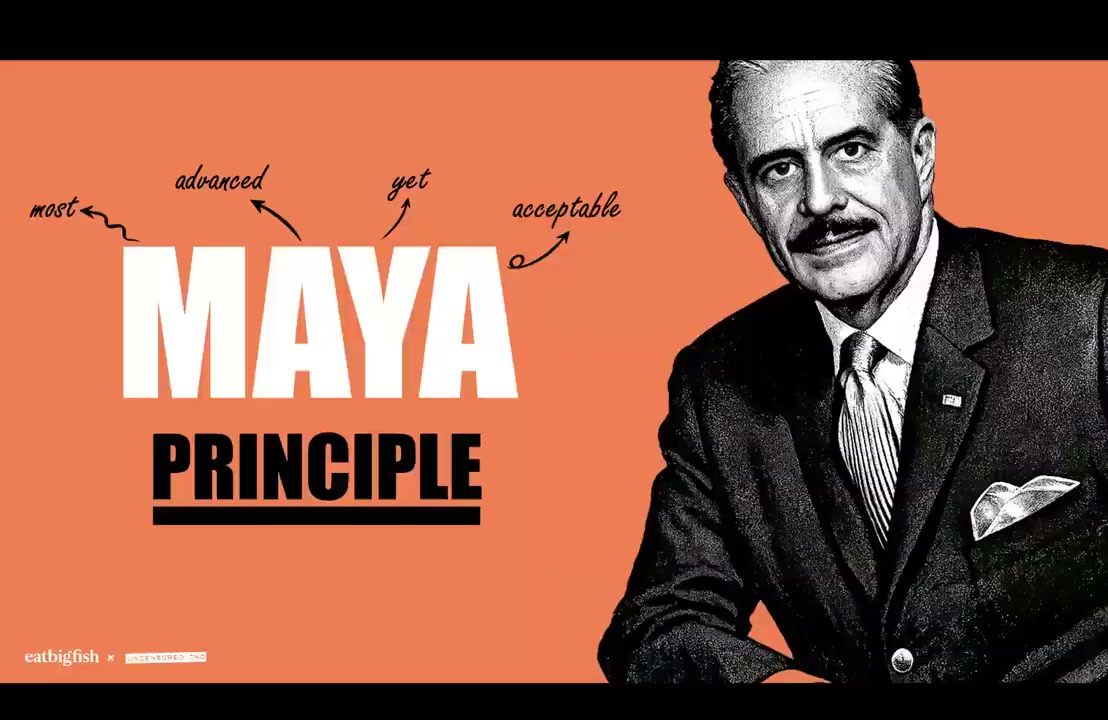
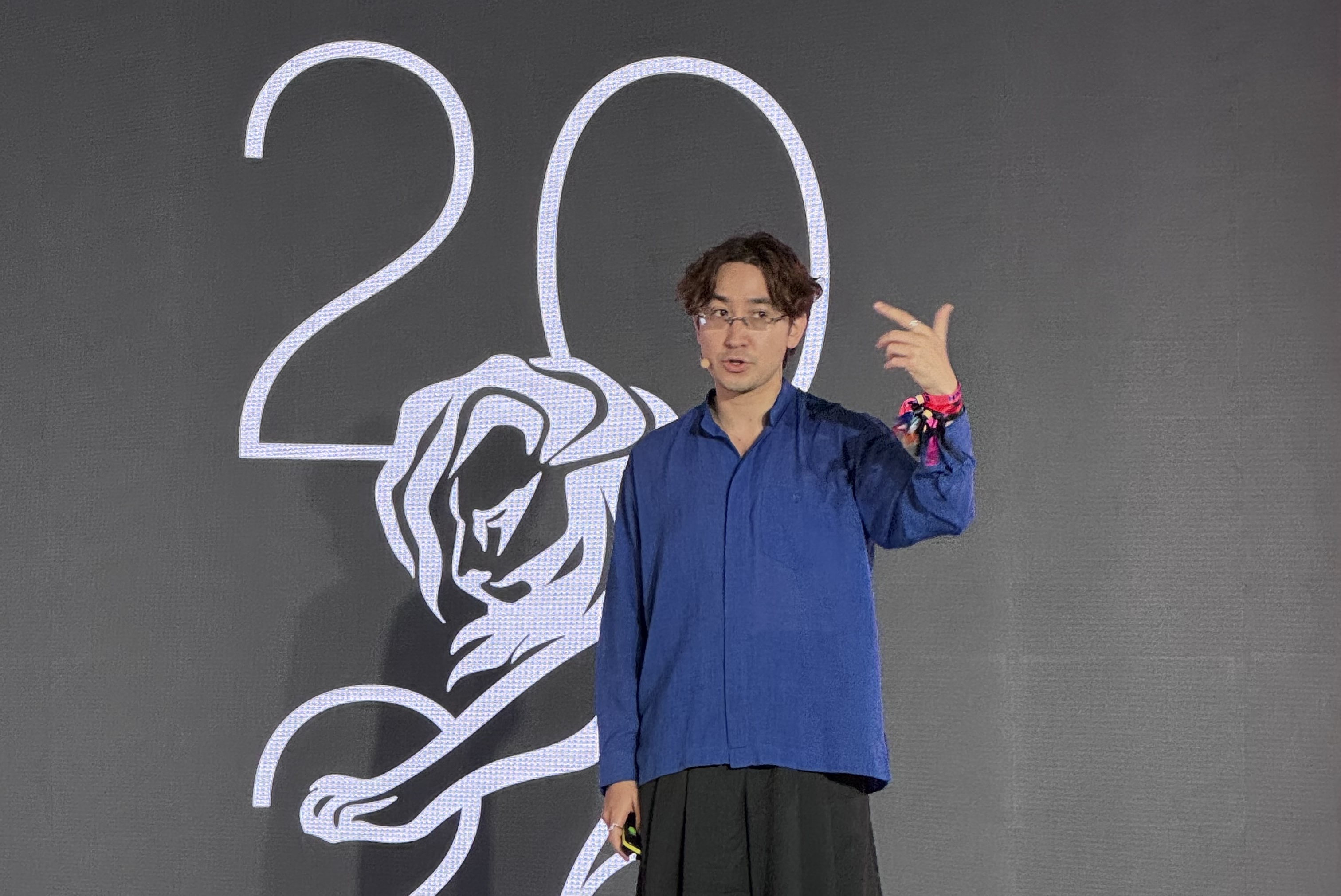
Both numbers come from Byron Sharp and Mark Ritson's Uncensored CMO conversation, the champagne-fuelled sequel to their Cannes session (our firsthand write-up of the five truths from the room is here). If Coke needs a decade, what exactly do we think our 40 days are doing?
Seven years to an overnight success
Sharp studied soft-drink innovation over a ten-year window and summed up his paper in one line: "It takes on average seven years to have an overnight success." Ritson's version of the same law: whether you're building a proper brand or fixing a broken one, "invariably we come back to about a decade to truly get what you need."
The 40-day campaign isn't just short against those timelines - it's short against basic reach math. Without a Super Bowl, forty days of media barely gets a campaign seen once by much of the market. Sharp's aside cuts deep: advertisers massively overestimate how many people have seen their ads. The audience isn't tired of your campaign. Most of them never met it.
Source: Uncensored CMO - Byron Sharp vs Mark Ritson, July 2026
The brands that refuse to blink
The counterexamples in the episode all share one trait: institutional patience.
AB InBev - "scholars of effectiveness," per Ritson - run campaigns for two, three, four years, and see no reason to change one "just because we're all sick of it."
P&G's hundred-year-old recession playbook: double down when competitors pull back, and commit to work for years - their competitors used to fear precisely that discipline.
Kit Kat and Volvo have each spent roughly 40 years saying one thing. Not 40 days. Forty years, one idea each - a break and safety, respectively.
Ritson's positioning rule follows directly: you can be relatively strong on one or two things, said more consistently and for longer than the competition - and if your distinctive assets plus your positioning don't fit on one page, it's already over.
The expansion rule that respects the clock
The episode also carries the practical version of patience for growing brands. Asked whether a small brand should launch regionally or go straight national, Sharp's answer is a rule worth framing: go wide only where you can achieve overlapping mental AND physical availability.
Distribution can be bought fast - Coke Zero hit 95% in six weeks. Minds can't. "Even if you're Coke and spending a staggering amount, you're probably getting weekly reach of about 10%, and it's accumulating. To get 90% of people even knowing my name is probably going to take two years." That's the whole trap: physical availability moves at the speed of sales meetings, mental availability moves at the speed of memory. Brands that expand on the first clock and ignore the second buy themselves shelf space nobody thinks to reach for - which is how Fever Tree walked into premium territory Schweppes technically still occupied but had mentally abandoned.
The uncomfortable arithmetic
What we do | What the evidence says |
|---|---|
Average brand campaign: 40 days | Campaigns extract most value run 2-3+ years |
Relaunch objective: 8 weeks (Lucozade's brief) | Penetration doubles over 3 years; real fixes take ~a decade |
Distribution first, everywhere | Expand only with overlapping mental + physical availability |
Change creative when the team is bored | The team gets bored years before the audience notices (most never saw it) |
None of this is patience for its own sake. It's just matching your calendar to your customer's - who buys your category a few times a year, meets your advertising far less often than you think, and needs to meet the same brand each time to remember it exists. The brands winning this game aren't cleverer. They're the ones who studied campaigns that held their nerve and concluded that boredom is an internal KPI, not a market signal.
Your campaign isn't old. Your team is. Leave it running.