A strategic look at Meta Muse, UMG's licensed AI music platform, and ChatGPT's style learning. What automated tone and fan remixes mean for brand equity and media budgets.
The Week Brand Control Met the Automated Remix
For years, brand managers have treated their brand guidelines like holy scripture. We spent months debating the exact shade of blue and the precise level of dry wit in our copy, only to hand those assets over to a chaotic internet that does whatever it wants with them anyway. This week, the illusion of total brand control took a few more heavy hits. Between Meta putting a personal agent in everyone's pocket and major record labels licensing their catalogs for fan-made AI remixes, the line between consumer and creator has officially dissolved. If you are still trying to police your brand from a high tower, it is time to build a playground instead.
Meta Launches Muse: The New Resident in the Chat
Meta has officially launched Muse, a private personal AI agent integrated directly into WhatsApp and a standalone app. While tech reviewers discuss the conversational interface, the real story here is about where consumer attention is going. If people are spending their days chatting with a highly personalized, private agent inside their favorite messaging app, the traditional web browser becomes a ghost town. For brands, this shifts the battle for mental availability. Your discovery strategy can no longer rely on Google search results or programmatic banners; you need to be the brand that Muse naturally recommends when a user asks for a quick dinner option or a weekend getaway. It is a massive shift toward conversational search where only the most distinctive brands with high share of search will survive the filter.
ChatGPT Work Learns the Art of the Passive-Aggressive Email
OpenAI announced that ChatGPT Work can now analyze your writing style across Gmail, Slack, and Google Drive to mimic your personal tone. On a team level, this is a massive acceleration of administrative output. On a brand level, it is a double-edged sword. While it makes drafting client updates or internal briefs incredibly fast, it risks flattening the unique voice of your agency or marketing team into a standardized, focus-grouped average. If everyone is using an agent to write their copy based on the same historical inputs, distinctiveness dies. The smart move here is not to let the machine run on autopilot. Use it to clear the administrative deck, but keep a human copywriter in the loop to inject the actual wit and sharp observations that earn a reader's attention.
"The easiest way to lose your brand's voice is to let an algorithm average it out across your entire inbox."
Images 2.5 and the Napkin Sketch Pipeline
OpenAI dropped ChatGPT Images 2.5, boasting 50% faster generation speeds and a new sketch-to-image feature. For creative directors and planners, this is a massive win for the early stages of ideation. Instead of spending hours hunting for stock photos that sort of match the vibe of your pitch, you can now scribble a crude layout on a napkin and have a high-res visual concept ready for the deck in seconds. It lowers the cost of visual experimentation to zero. However, do not mistake a fast mockup for a finished campaign. The danger is that teams will fall in love with the first shiny render the machine spits out, bypassing the friction of deep creative thinking that actually makes an idea stick.
ElevenLabs and UMG Invite Fans to the Soundboard
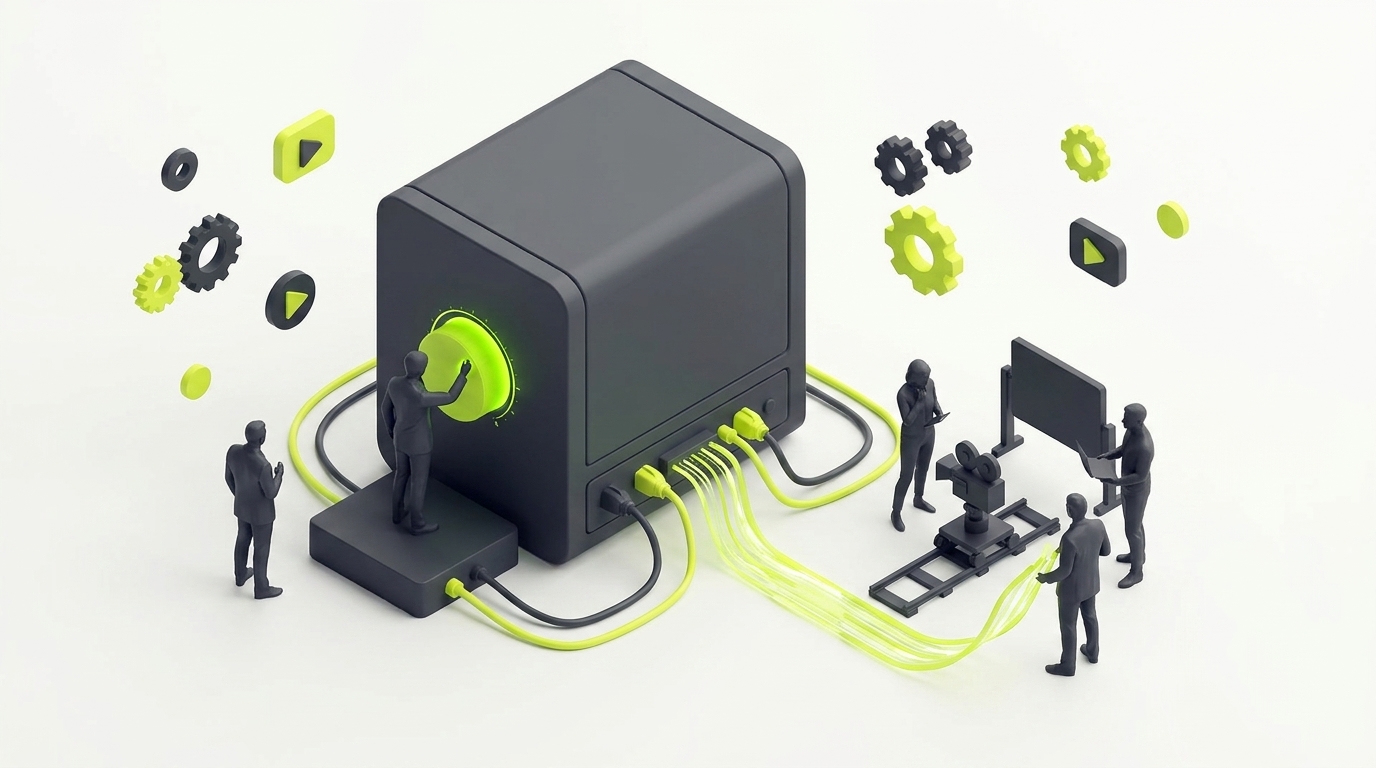
In a fascinating move for the creator economy, ElevenLabs and Universal Music Group have partnered on a licensed AI music platform for fan remixes. Instead of fighting copyright infringement with lawyers, UMG is monetizing it by giving fans legal, high-quality tools to play with their favorite artists' tracks. This is a masterclass in behavioral strategy: if you cannot stop the behavior, design a system that rewards it. For marketers, this opens up a massive new channel for cultural relevance. Instead of buying generic stock music or paying exorbitant licensing fees for a 30-second spot, brands can now look at legal, co-created audio assets that invite the audience to participate in the storytelling.
GPT-Live-1: Real-Time Voice Gets Cheap
OpenAI also launched GPT-Live-1 in the API, offering full-duplex voice interaction for just $0.05 per minute. This is the death knell for the frustrating, robotic customer service hotlines we all actively avoid. At this price point, every brand can afford to build a highly responsive, emotionally intelligent voice assistant that actually listens and solves problems in real-time. The marketing challenge here is not technical; it is sonic branding. If your brand is going to speak to customers on the phone, what does it sound like? What is its tone, its accent, its level of humor? You need to design a distinctive vocal asset before you turn the API on.
OpenAI's Data Agent and the End of Spreadsheet Dread
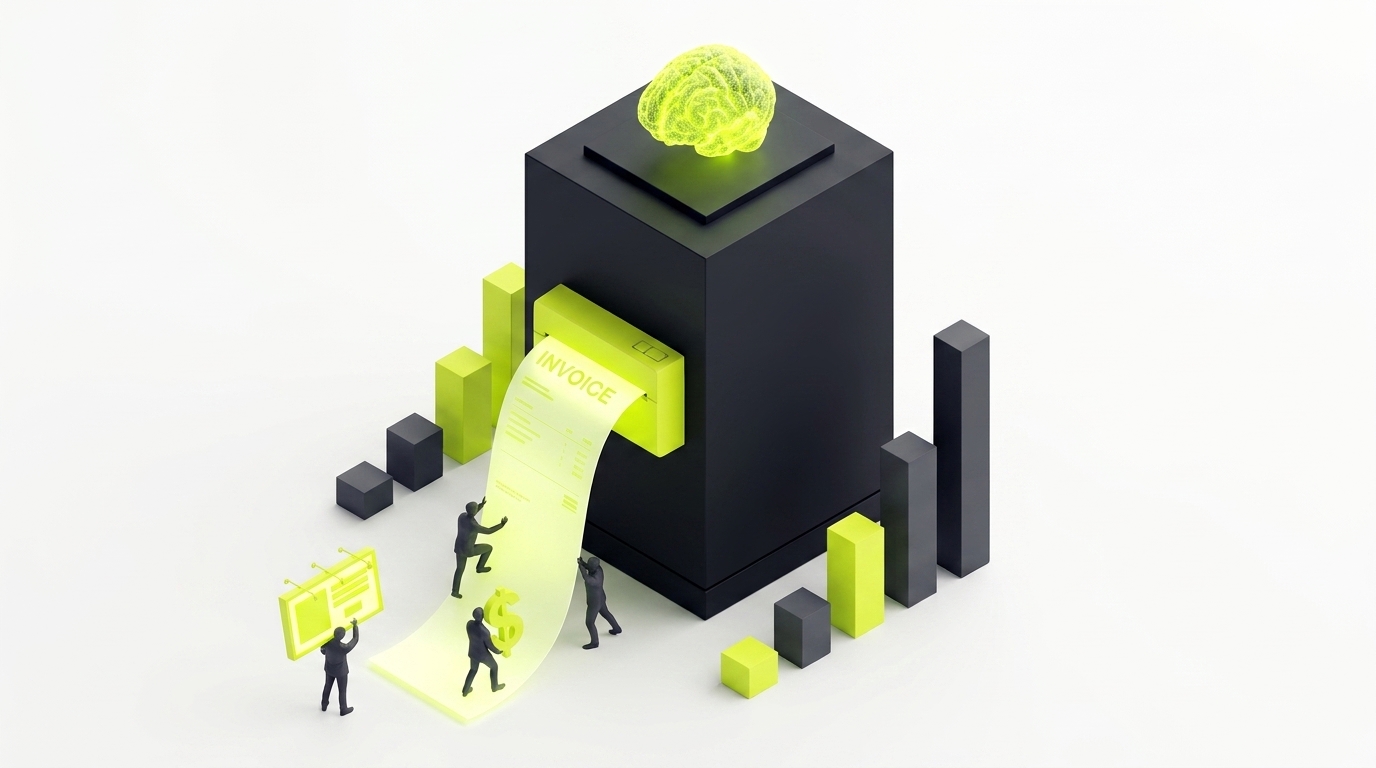
OpenAI is rolling out a dedicated Data Agent inside ChatGPT Work, designed to handle complex business analytics and report building. For marketing directors, this means the end of spending your Sunday nights wrestling with pivot tables and media mix modeling spreadsheets. You can now dump your raw campaign data into the chat and ask for immediate, natural-language insights on which channels are actually driving incrementality. It democratizes data analysis, but it also increases the risk of over-optimization. If the machine is constantly telling you to cut the long-term brand building budget because the short-term ROI looks soft, you have to be the adult in the room who remembers that loyalty follows size, not just a temporary click spike.
Google Dreambeans and the Rise of Personalized Media
Google Labs has expanded its personalized daily story app, Dreambeans, to all U.S. users on iOS and Android. The app generates custom, interactive narratives for users every day. While it looks like a playful consumer app, it represents the ultimate destination of content consumption: media that is entirely generated for an audience of one. As consumers get used to stories, games, and entertainment that adapt to their specific mood in real-time, static, mass-market advertising will feel increasingly foreign. Brands will need to move away from running the same 30-second spot for millions of people and start thinking about how their distinctive brand assets can live inside these fluid, personalized narrative worlds.
The Monday Morning Brief
Do not spend Monday morning writing a PowerPoint deck about the AI future. Instead, take one concrete action: look at your current customer service touchpoints. Write a brief for a simple voice prototype using the GPT-Live-1 API. Give it your brand's specific tone of voice, load it with your actual product truths, and test it internally. See if it can handle a basic customer query without sounding like a corporate robot. That is how you turn a headline into a competitive advantage.