A strategy-first breakdown of this week's AI updates from Midjourney, Meta, Google, and Anthropic, analyzed through a brand equity and creative production lens.

The Monday Morning Reality of the Automated Workflow
There is a recurring comedy in the creative department. Every time a tech giant announces a new model that can generate a cinematic masterpiece from a three-word prompt, a strategist somewhere has to explain why we cannot use it because the client's brand guidelines require a very specific shade of blue that the model has never heard of. This week, however, the news is less about flashy, unpolished generation and more about the tedious, unglamorous plumbing of marketing. The industry is quietly shifting from 'show me a pretty picture' to 'do my admin chores so I can actually think.' Here is what this week's developments mean for your brand strategy, your creative pipeline, and your media budget.
Midjourney V8.2: Frantic Client Edits Just Got Cheaper
Midjourney has rolled out its V8.2 Image Edit Model, introducing advanced inpainting and multi-reference support. For brand directors, this is the end of the 'close enough' era of AI mood boards. Instead of generating fifty variations of a scene hoping the model accidentally places the product correctly, creative teams can now surgically edit specific pixels while maintaining visual consistency across multiple reference assets. This does not just speed up the presentation deck - it reshapes the economics of early-stage creative testing, allowing teams to iterate on distinctive brand assets in hours rather than days.
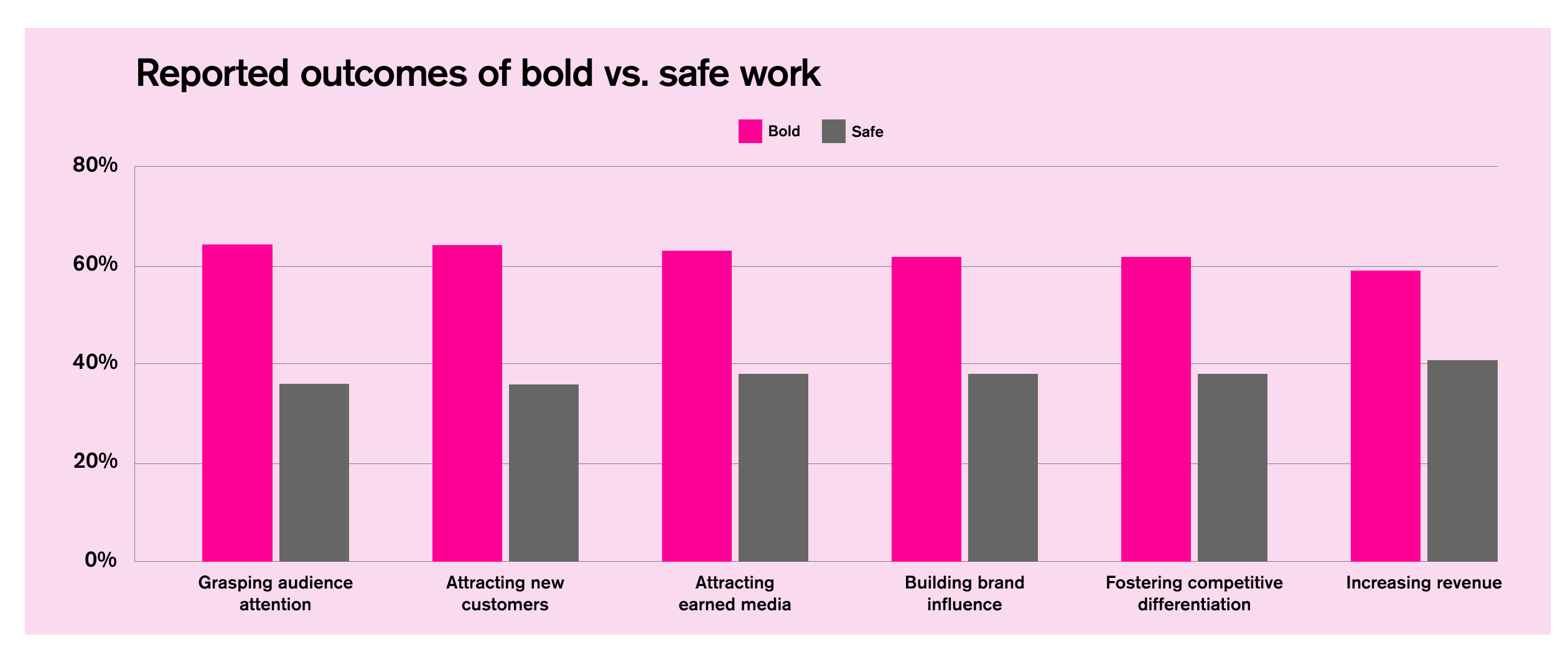
"Most advertising fails not because the central concept was weak, but because the execution was polished into a state of sterile, focus-grouped neutrality that nobody had any reason to notice."
Meta Hatch: The Rise of the Automated Creator Campaign
Meta is reportedly preparing to launch Hatch, an AI agent platform, closely followed by its 'Watermelon' model in October. Rather than treating AI as a passive copywriting assistant, Hatch aims to deploy active agents that can coordinate complex tasks. In the context of the creator economy and retail media, this points toward a highly automated future for influencer matchmaking and campaign orchestration. If Meta can automate the tedious back-and-forth of creator outreach, contract management, and asset collection, the barrier to running highly localized, high-frequency campaigns drops to near zero. The challenge for brands will be maintaining a coherent brand identity when thousands of autonomous agents are executing micro-campaigns simultaneously.
Google Flow and Gemini Omni 1.1: The 4K Creative Sandbox
Google has updated Google Flow with 4K export, start/end frame matching, and a new draft mode, all powered by Gemini Omni 1.1 Flash. For motion designers and agency producers, the addition of a 'draft mode' is the most significant update here. High-resolution video generation has historically been a massive bottleneck, with teams waiting hours for a render only to realize the camera angle was slightly off. By allowing creators to iterate rapidly in low-res draft mode before committing to a 4K upscale, Google is aligning its tools with actual studio workflows. This lowers the cost of entry for high-production-value social video, enabling mid-market brands to compete on visual polish without Hollywood budgets.
Claude Cowork and ChatGPT Work: Hands-Free Competitor Audits
The battle for the desktop has entered a new phase. Anthropic has launched Claude Cowork, featuring a built-in browser for hands-free web tasks, while OpenAI has updated ChatGPT Work with the ability to log into websites on your behalf without exposing credentials. For strategists, this is a massive operational win. The endless, soul-crushing task of manually scraping competitor pricing, auditing social feeds, or pulling retail media reports can now be delegated to an agent that browses the web just like a human. This shifts the strategist's role away from data collection and back to synthesis. The interesting question is how websites will adapt to a web where a significant percentage of 'traffic' is actually autonomous agents browsing on behalf of busy marketers.
ChatGPT Codex: Turning Complex Strategy Into Simple Visuals
Finally, OpenAI has quietly added the $visualize command to ChatGPT Codex, allowing users to instantly convert unstructured text into visual diagrams. Strategy decks are notoriously prone to text-heavy slides that clients politely nod at but never actually read. By turning complex positioning frameworks, consumer journeys, or communication hierarchies into clean, structured diagrams with a single command, planning teams can spend less time wrestling with vector shapes in PowerPoint and more time pressure-testing the actual logic of the strategy.
The Monday Morning Playbook
Do not rewrite your entire 2027 media mix based on this week's news. Instead, hand your planning team a very specific brief this morning: take your most tedious, repetitive weekly competitor audit - the one that usually eats up a junior planner's entire Tuesday afternoon - and task Claude Cowork or ChatGPT Work with executing it. See where the logic breaks, where the agent gets stuck, and where it actually saves time. The goal is not to automate the thinking; it is to automate the chores so your team actually has the time to think.