Eugene Healey showed Cannes what happens when a brand strategist becomes a creator with 700k followers: social devices, the death of the brand wheel, and a partnership that returned 10x the retainer.
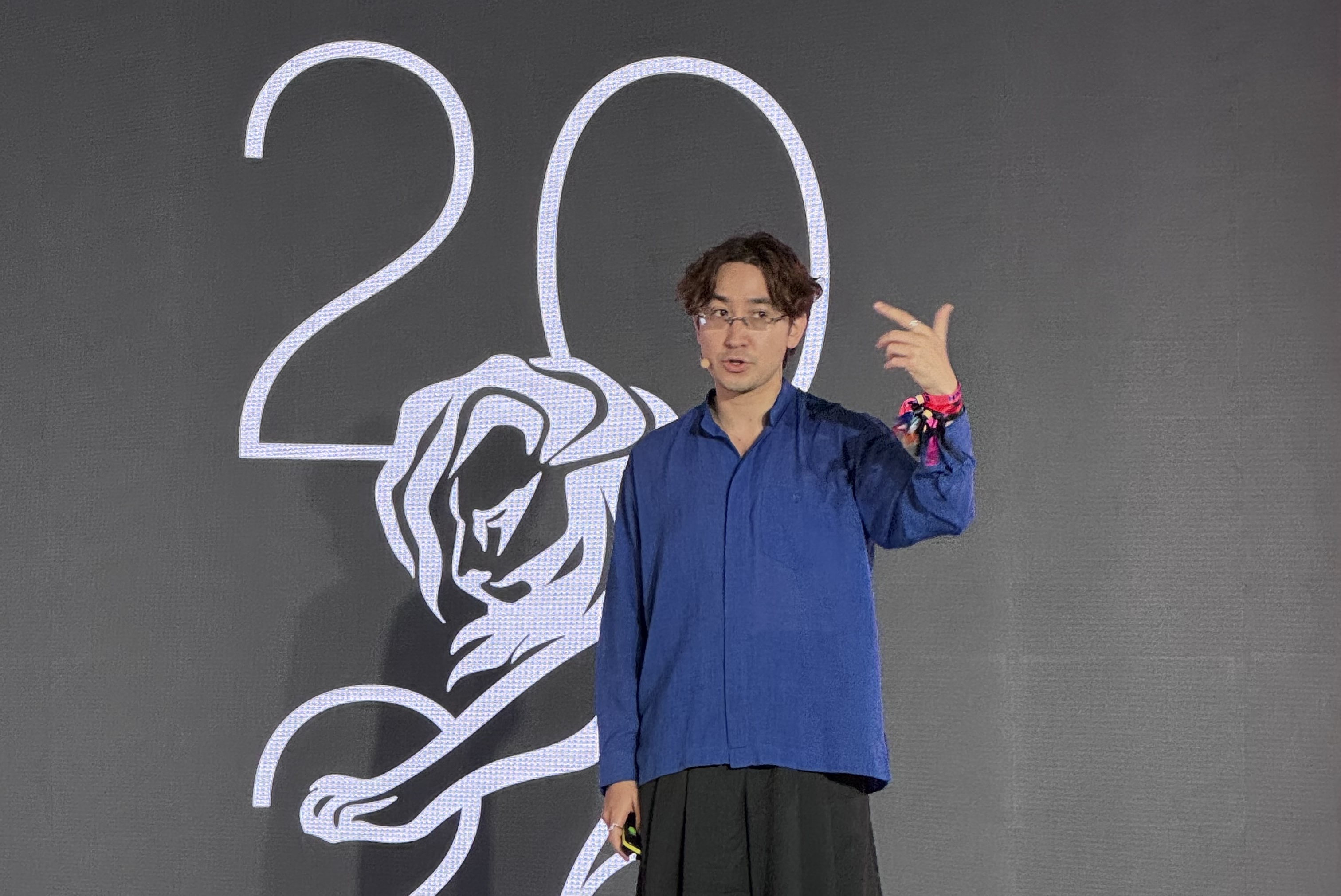
The second half of the Creator Effectiveness Playbook session at Cannes Lions 2026 belonged to Eugene Healey - a brand strategist who accidentally became a creator with 700,000 followers, which makes him roughly the only person alive qualified to referee both sides. I sat in the room taking photos of his slides like everyone else, and one concept from his talk has been living rent-free in my head since: social devices.
Source: The Creator Effectiveness Playbook session, Cannes Lions 2026.
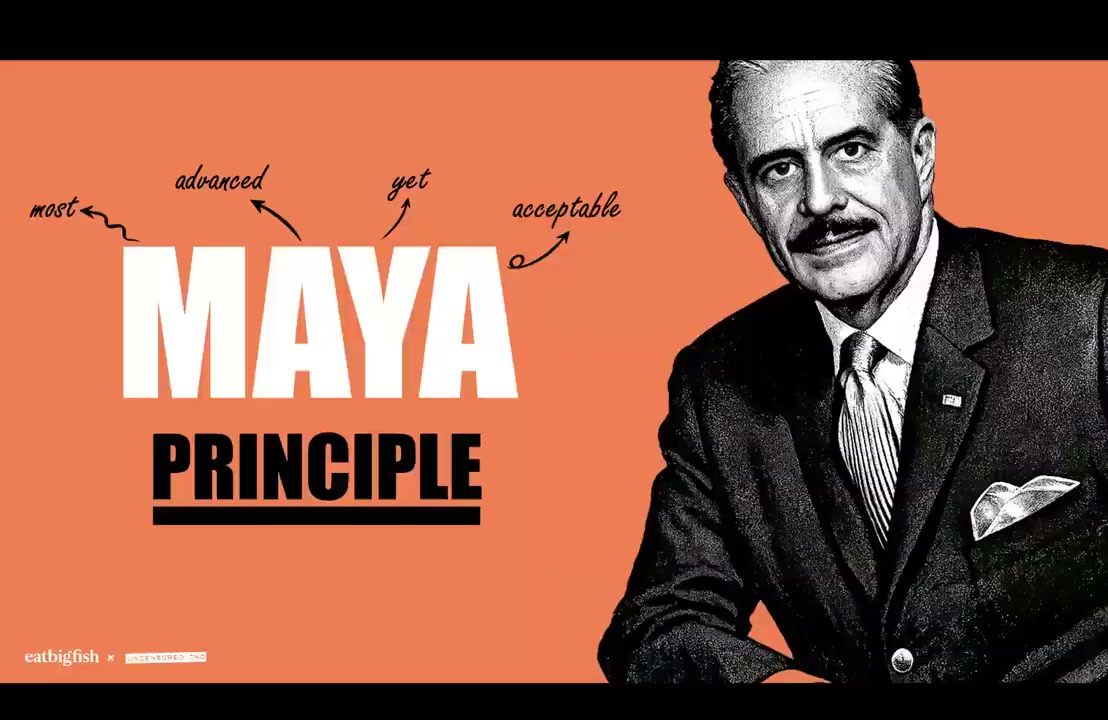
Distinctive brand assets that learned to dance
Marketers know distinctive brand assets: the colours, sounds and characters that compound brand memories over decades. Creators run on the same physics, just faster. A social device is a repeatable creative framework - a format, a visual cue, a recurring bit - that an audience learns to recognize and seek out. It is a DBA that lives at feed speed.
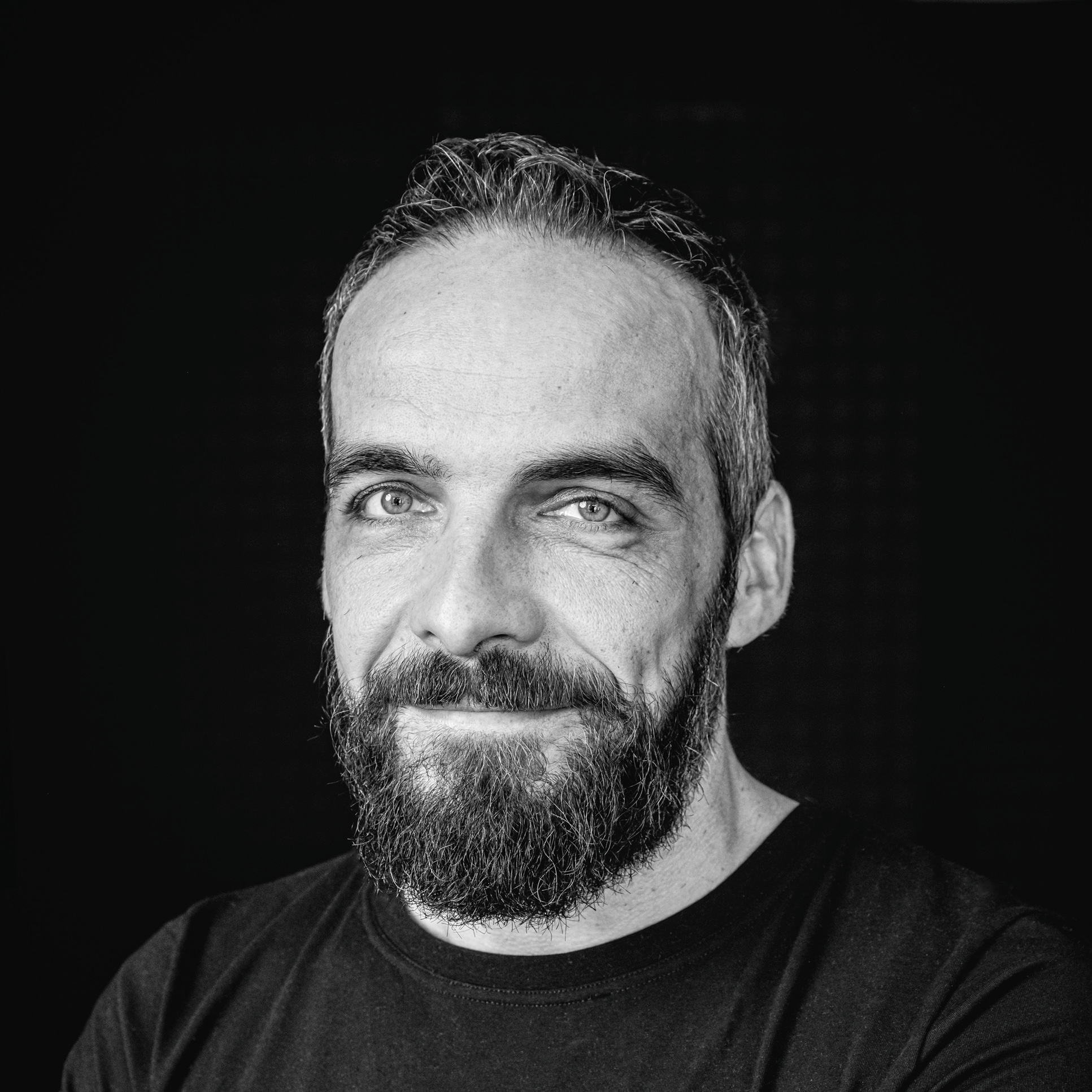
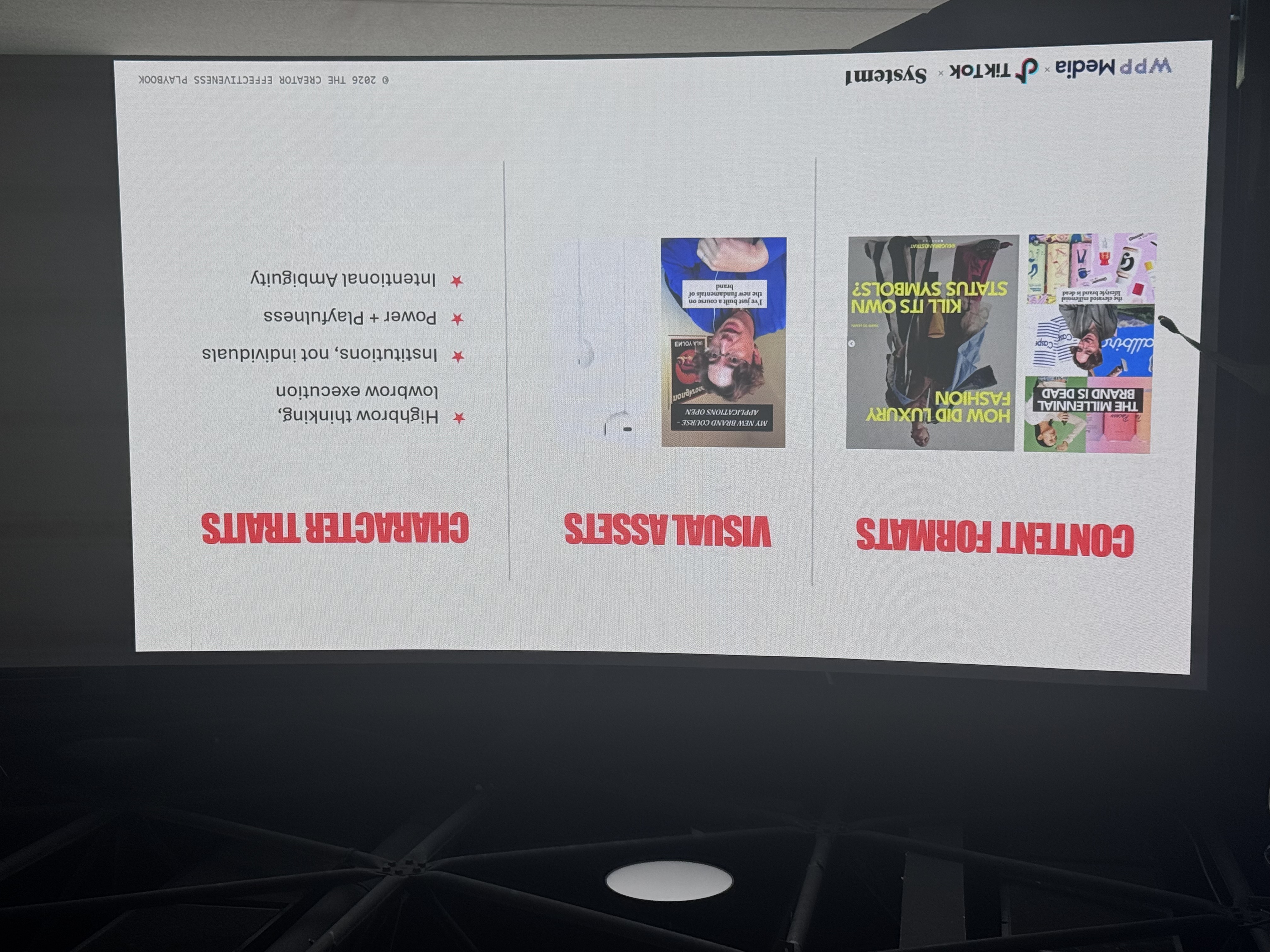
Healey's own inventory is instructive because none of it looks like a brand guideline. Green-screen mini-lectures. The glasses and the haircut, his face ofc. A blue Issey Miyake shirt he wears only for announcements - his audience now knows something is coming before he says a word. Found wired headphones. A tone he describes as highbrow thinking, lowbrow execution. Critique aimed at institutions, never individuals.
Source: The Creator Effectiveness Playbook session, Cannes Lions 2026.
Every one of those is an entrained association.
And the entrainment is measurable: when Healey posts a video without his face in it, views drop by a factor of ten.
Audiences scrolling a high-distraction feed look for cues that promise a repeated experience. Which quietly demolishes a popular belief - that audiences get tired of repeated formats. Healey's version: the audience does not tire of the creative before the creator does. The pattern is not the problem. The pattern is why they watch.
The Tracksuit case: what a good partnership looks like
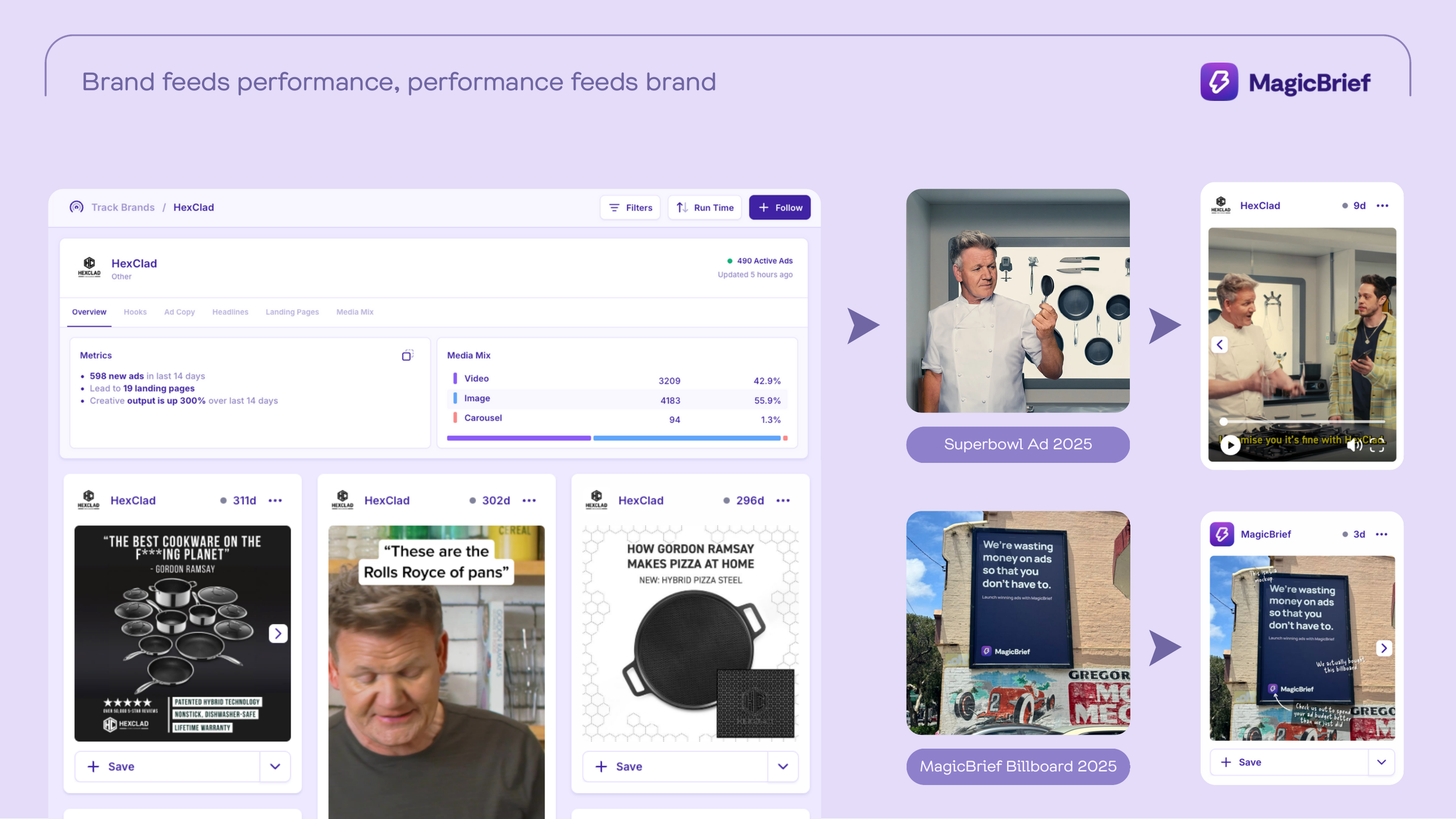
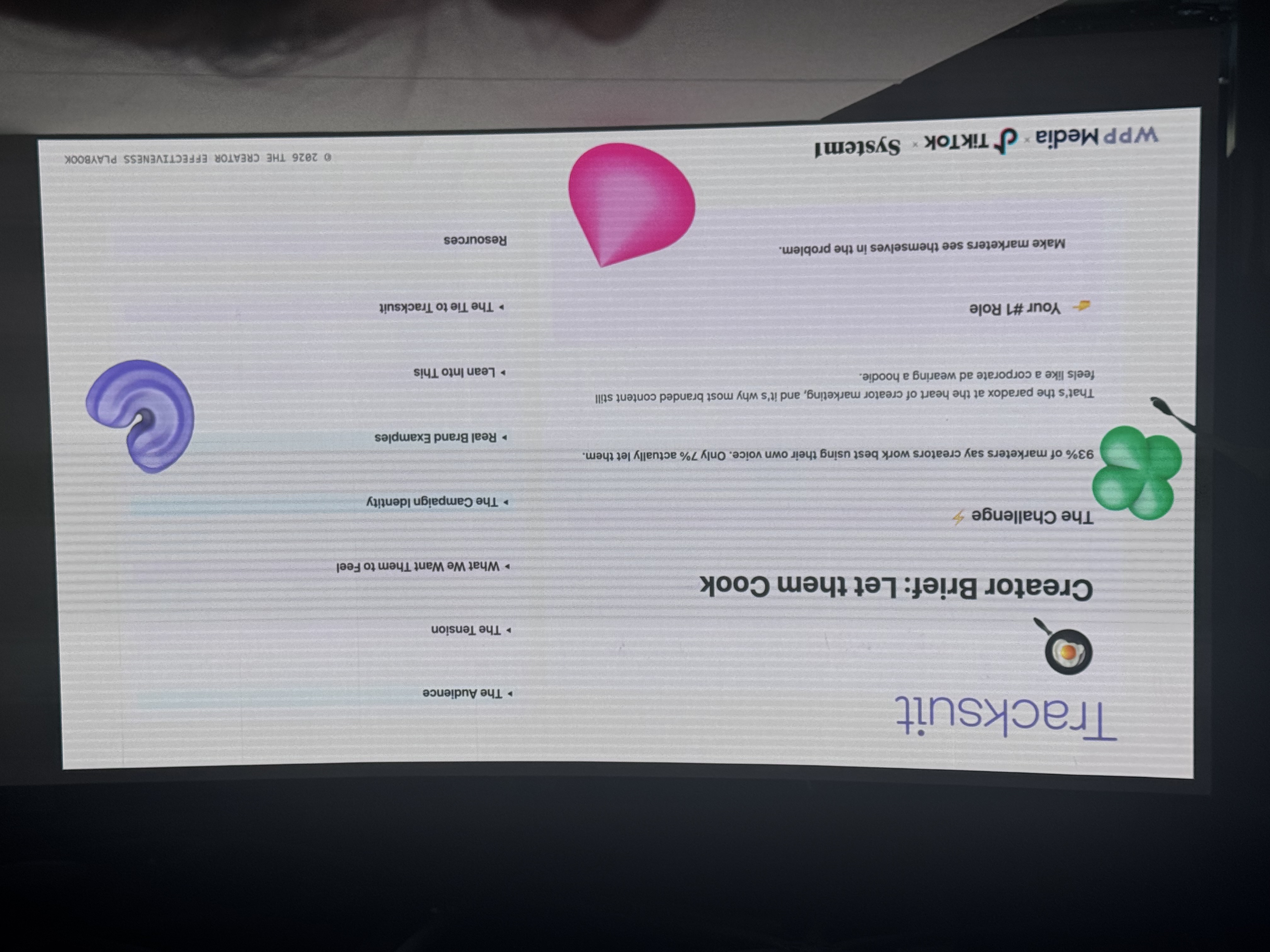
Theory is cheap at Cannes, so Healey brought receipts from his own longest brand partnership - with brand-tracking company Tracksuit.
Source: The Creator Effectiveness Playbook session, Cannes Lions 2026. Photo: Martin Woska.
The shape of it: eight videos in fourteen months. Every single one briefed - not with a script, but with the strategic challenge, the context, the audience and the tension, plus assets he could actually use. Paid content deliberately designed to look identical to his organic posts. Almost never a direct-sell CTA.
The result: year one delivered ten times the retainer value in attributed pipeline - five figures in year one, six figures in year two. And the ending is the real lesson: Healey is now a Tracksuit investor, holding employee share options. When a creator partnership works, it stops looking like a media buy and starts looking like equity. Creators function best as long-term brand building, not short-term demand capture - the same conclusion Cannes kept arriving at from every direction this year.
Brand as canvas, creator as painter
Healey's frame for the whole relationship is worth stealing. The creator owns the relationship with the audience - and the audience cares about your brand exactly as much as the creator convinces them to care, and not a percent more. You are not buying distribution. You are buying a distinct perspective. That is what separates creators from celebrities, who Healey called "empty vessels" you pour meaning into.
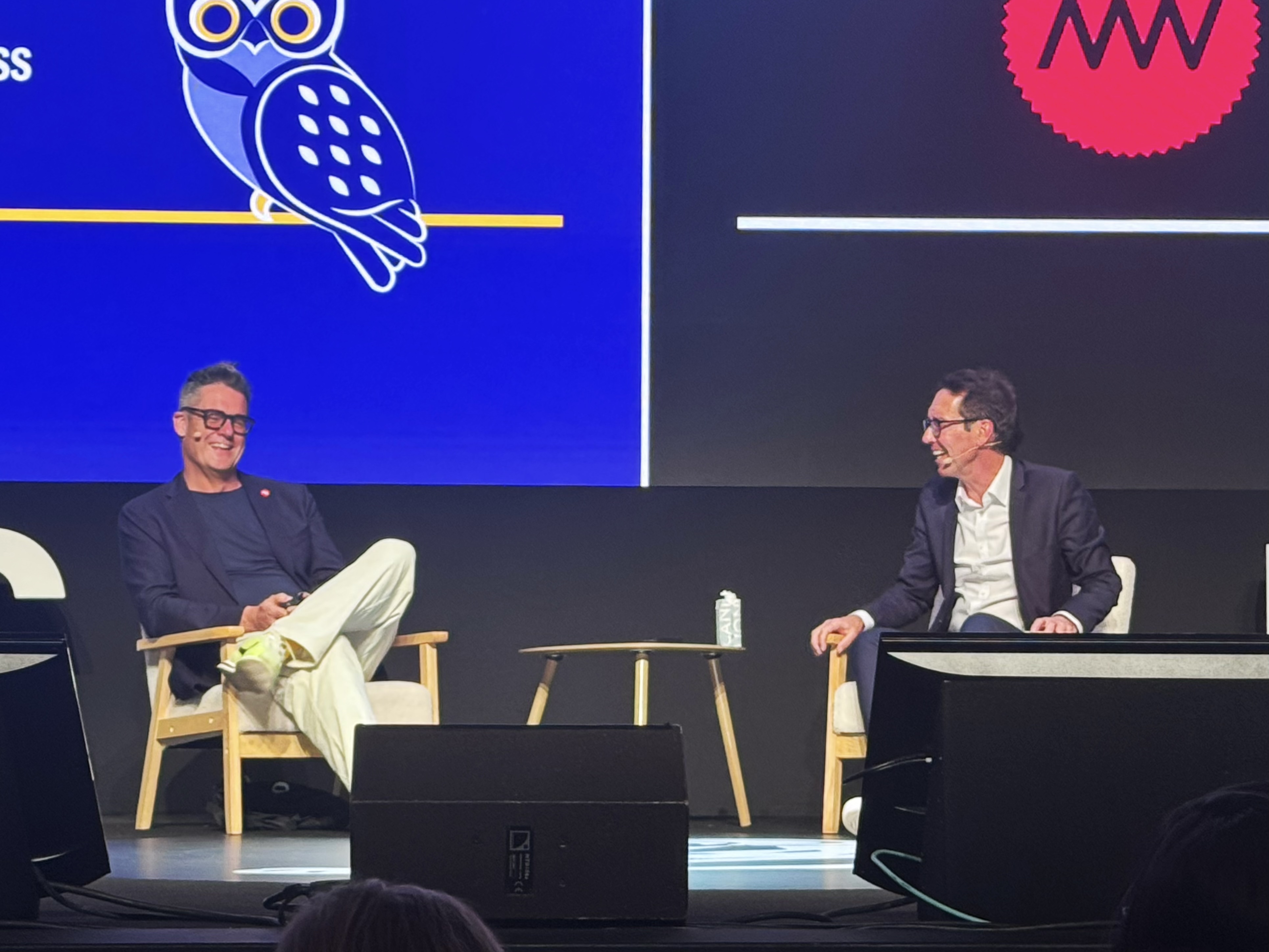
This means divergence is a feature. Ten creators will render your brand ten different ways, and the job is not to sandpaper them into consistency - it is to build a brand whose associations survive being repainted. Healey calls it brand as mosaic: each execution is a different tile, and the picture still has to cohere from a distance.
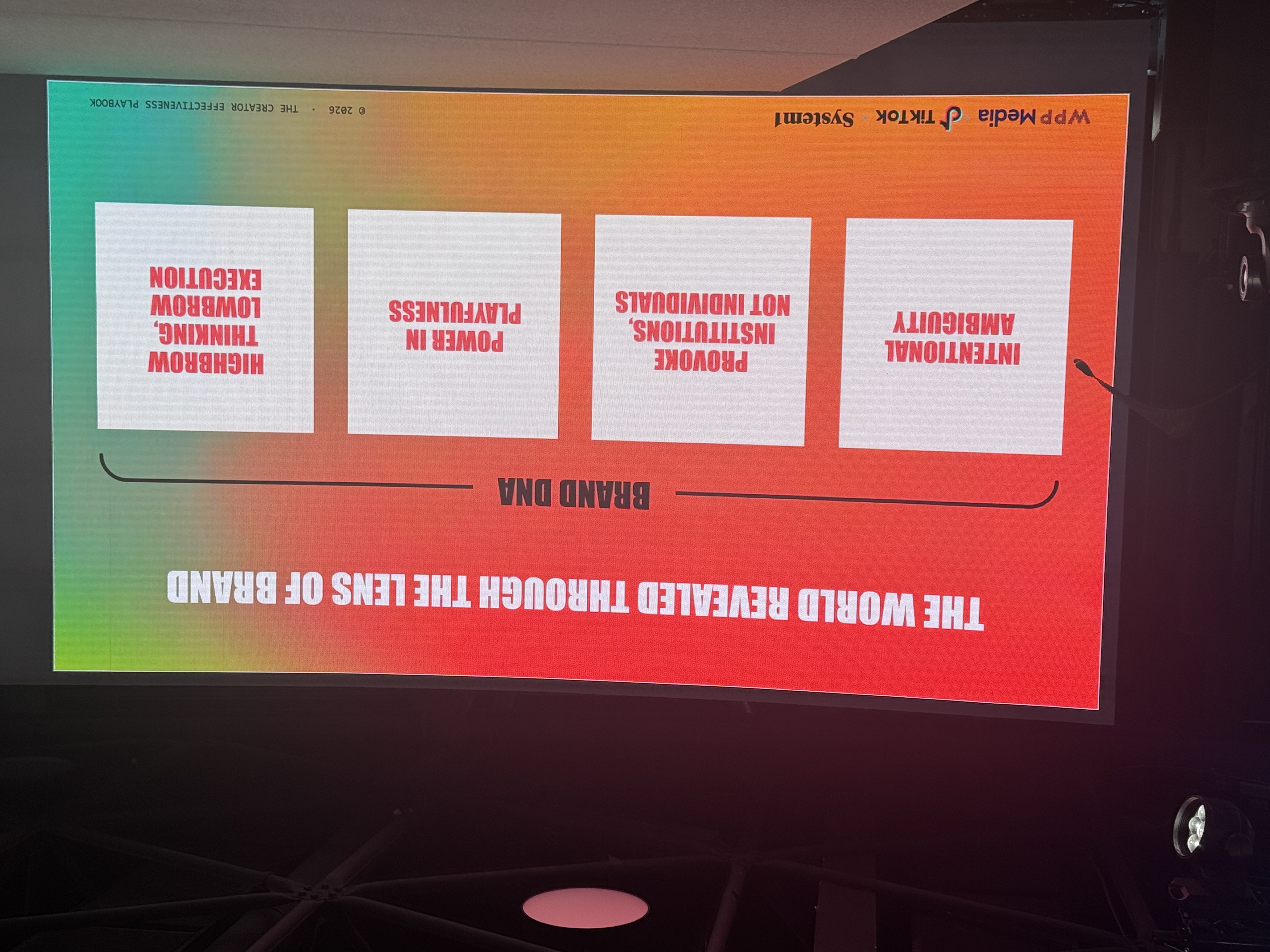
Source: The Creator Effectiveness Playbook session, Cannes Lions 2026. Photo: Martin Woska.
The death of the brand wheel
Which brings us to briefing, where most creator relationships go to die. Healey mapped the two failure modes with the candour of a man who has received both briefs.
The first he called the brand dominatrix: control every word, approve every frame, turn the creator into a sock puppet. The audience notices instantly, because you have broken the exact pattern they came for - the social device. The second failure is the opposite: no direction at all, an open relationship where the brand hopes something good happens.
The fix is a sandbox. One message. The strategic challenge. The context. The creator's role in the wider campaign. Then get out of the way. His exact words, which I suspect will outlive the session:
"Do not give me a brand wheel. We are at the death of the brand wheel.
One message."
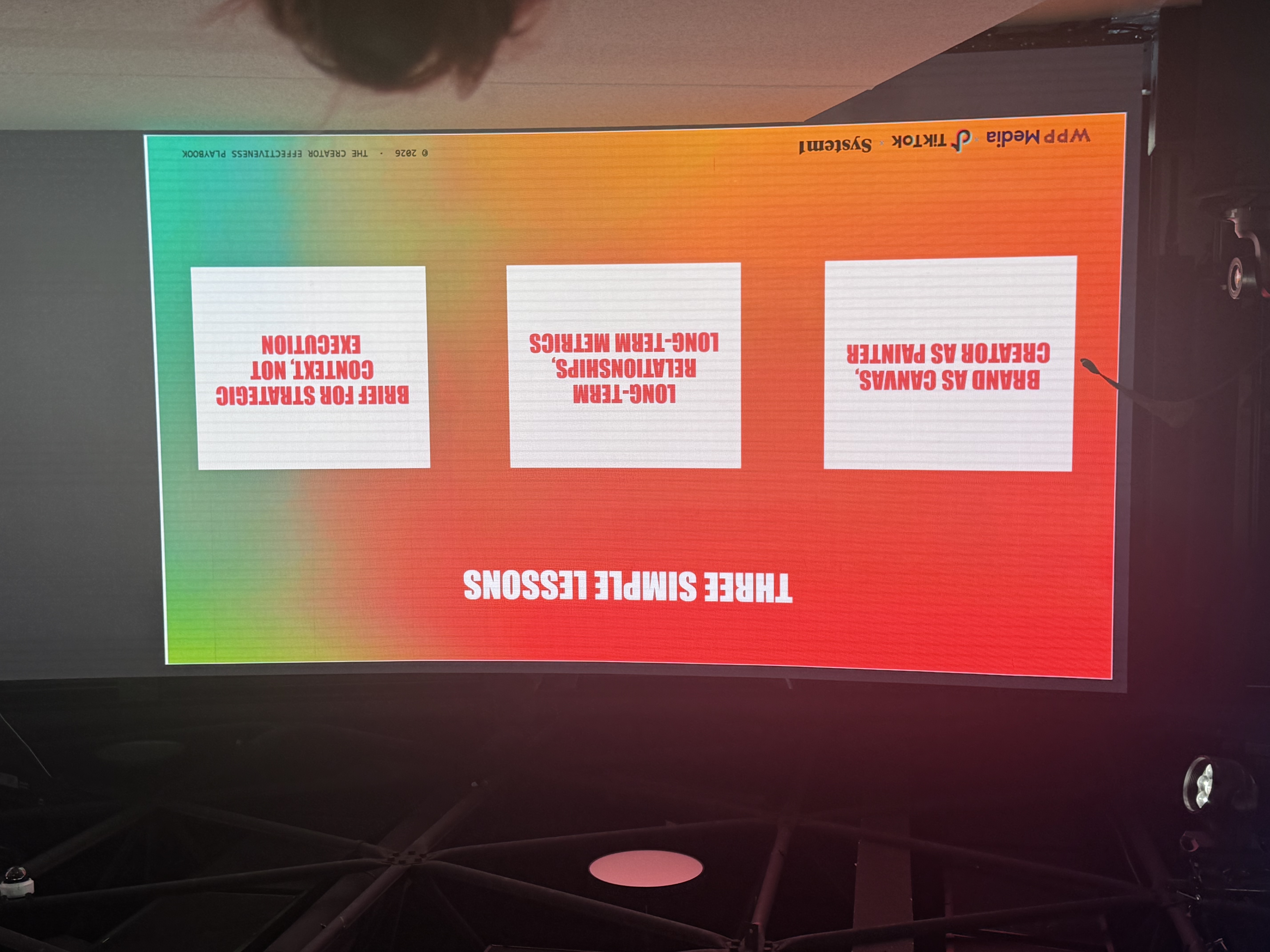
Source: The Creator Effectiveness Playbook session, Cannes Lions 2026.
The uncomfortable takeaway
Your brand book was written for contexts you control: your ads, your packaging, your website. Creators are contexts you do not control - and the evidence from the playbook's data says that control is precisely what you should not want. Brand fit matters twice as much as fame. Sandbox beats script. The mosaic beats the wheel.
So the practical move is small and slightly painful: take your next creator brief and delete everything except one message, the challenge, the context and the role. If what remains cannot guide a talented outsider, the problem was never the creator.