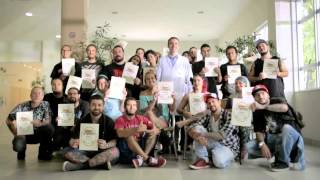
adidas: Supernova Adaptive
Adidas engaged TBWA\Canada to address the systemic exclusion of athletes with disabilities from high-performance running gear. The client sought to move beyond surface-level marketing by identifying a specific, underserved community and developing a product that solved their unique physical pain points. The goal was to demonstrate authentic brand commitment through long-term product innovation rather than temporary awareness campaigns.
Creative Idea
Adidas co-designed a performance running shoe specifically for athletes with Down syndrome.
Adidas collaborated with athletes with Down syndrome to engineer the first performance running shoe tailored to their unique foot anatomy, proving that true inclusivity requires functional product innovation rather than just marketing representation.
Six Years of Engineering for Equitable Performance
From Prototype to Podium
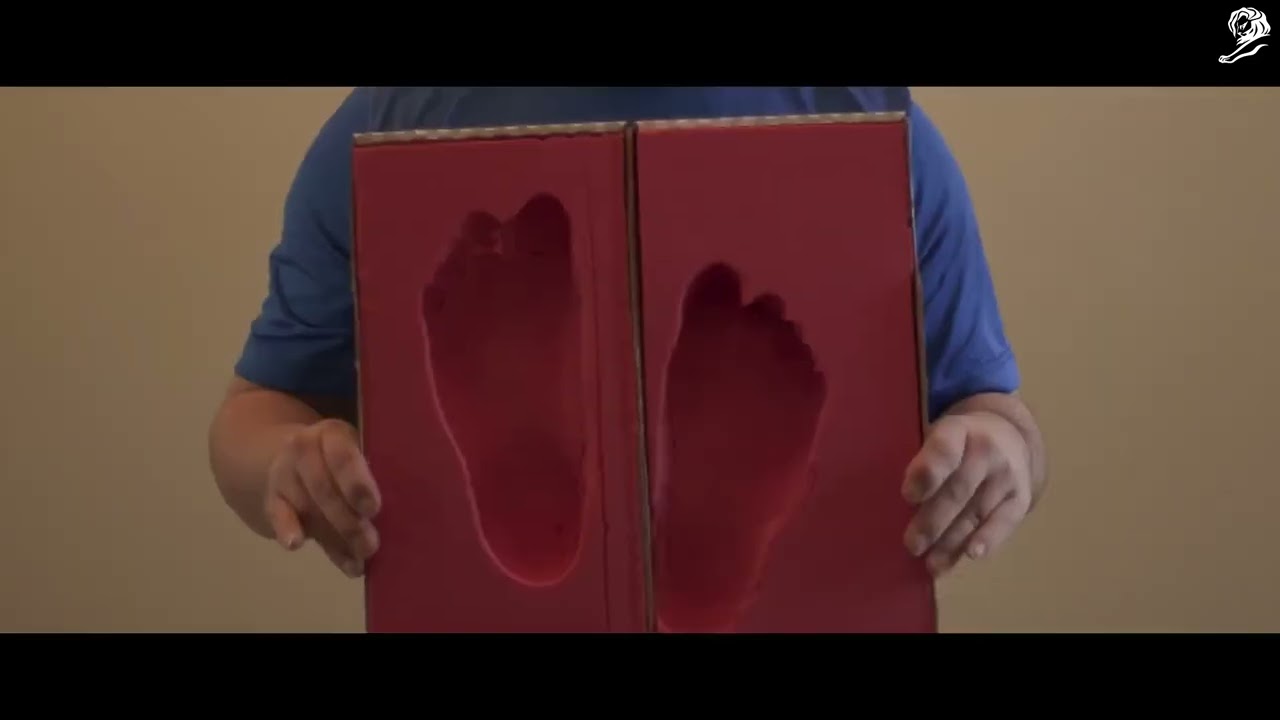
The development of the Supernova Rise 3 Adaptive was a marathon, not a sprint. Spanning six years of research and development, the project moved beyond traditional marketing by integrating deep-tissue biomechanical analysis. Bryan Kane, CEO of Omnicom Canada, noted the extensive timeline was essential to ensure the product addressed the specific anatomical needs of athletes with Down syndrome and other disabilities. Rather than a cosmetic update, the shoe features a re-engineered chassis and closure system developed through rigorous focus groups with GAMUT Management, ensuring the final product provides genuine functional utility.
A Co-Creation Masterclass
The campaign’s authenticity was anchored by Chris Nikic, the first athlete with Down syndrome to complete an Ironman. Nikic served as a lead consultant, testing multiple iterations to solve for sensory and physical pain points that standard footwear failed to address. His feedback was instrumental in refining the shoe's support structures. This collaborative spirit extended to the production phase, which involved a global network of specialized partners including Mirror3D VFX and Estúdio Bogotá. The production team utilized advanced motion capture and high-fidelity animation to visualize the biomechanical benefits of the shoe, ensuring the storytelling remained as precise as the engineering itself.
Redefining Corporate Purpose
The launch proved that inclusive design is a commercial driver. Following the Q1 2026 release, Adidas reported a 14% increase in currency-neutral revenues, with the Supernova Rise 3 Adaptive cited as a primary catalyst for growth in the performance running category. By prioritizing functional innovation over performative messaging, the agency and brand shifted the industry standard for "purpose-driven" work, proving that accessibility is a high-performance feature rather than a niche consideration.
Creative Strategy Deconstructed
Company
Adidas leveraged its global R&D infrastructure and performance running expertise to engineer specialized footwear for underserved athlete groups.
Category
The athletic footwear industry historically ignored the specific biomechanical needs of athletes with disabilities, treating them as an afterthought.
Customer
Athletes with Down syndrome wanted to participate in sports without the chronic pain caused by ill-fitting, standard-issue running shoes.
Culture
The growing cultural demand for radical inclusivity and authentic representation pushed brands to prove their values through tangible utility.
Company
Adidas leveraged its global R&D infrastructure and performance running expertise to engineer specialized footwear for underserved athlete groups.
Category
The athletic footwear industry historically ignored the specific biomechanical needs of athletes with disabilities, treating them as an afterthought.
Strategy:
Solve physical barriers to participation to transform brand purpose into tangible, equitable product utility.
Customer
Athletes with Down syndrome wanted to participate in sports without the chronic pain caused by ill-fitting, standard-issue running shoes.
Culture
The growing cultural demand for radical inclusivity and authentic representation pushed brands to prove their values through tangible utility.
Strategy:
Solve physical barriers to participation to transform brand purpose into tangible, equitable product utility.
Results
The campaign resulted in the world's first performance running shoe for the Down syndrome community, which was sold in 29 countries globally. On Adidas.com (US), 42% of the purchasers were first-time buyers. The initiative received widespread media acclaim, being described as "industry leading" by Complex, "incredible" by Sports Illustrated, and praised by Disability Scoop for addressing real needs.
29
countries sold globally
42%
first-time buyers on Adidas.com (US)
Strategy Technique
Turn Brand Values Into Action
Adidas moved beyond performative diversity by investing years into R&D to create a tangible, equitable product. This shifted their brand purpose from a marketing claim to a measurable, physical reality.
Explore Technique
Creative Technique
Build an Utility, Not an Ad
The campaign focused on engineering a functional product solution to a specific physical pain point. By solving a real-world problem, the product itself became the most powerful piece of communication.
Explore Technique
Craft Breakdown
This campaign's craft is elevated by its genuine, co-creative design process and powerful human storytelling, transforming a product launch into a movement for global inclusivity.
The engineering of a performance shoe tailored specifically to genetic foot anomalies demonstrates outstanding inclusive design.
The narrative framing clearly articulates a complex anatomical problem and presents the solution with emotional resonance.