Wikifarmer: The Wedding Rice
Wikifarmer tasked McCann Athens with addressing the significant food waste generated by the Greek tradition of throwing rice at weddings. The client needed a solution that would support local farmers' incomes while reducing the disposal of edible grains. The goal was to create a sustainable, scalable initiative that resonated with the public and aligned with the platform's mission to improve agricultural efficiency.
Creative Idea
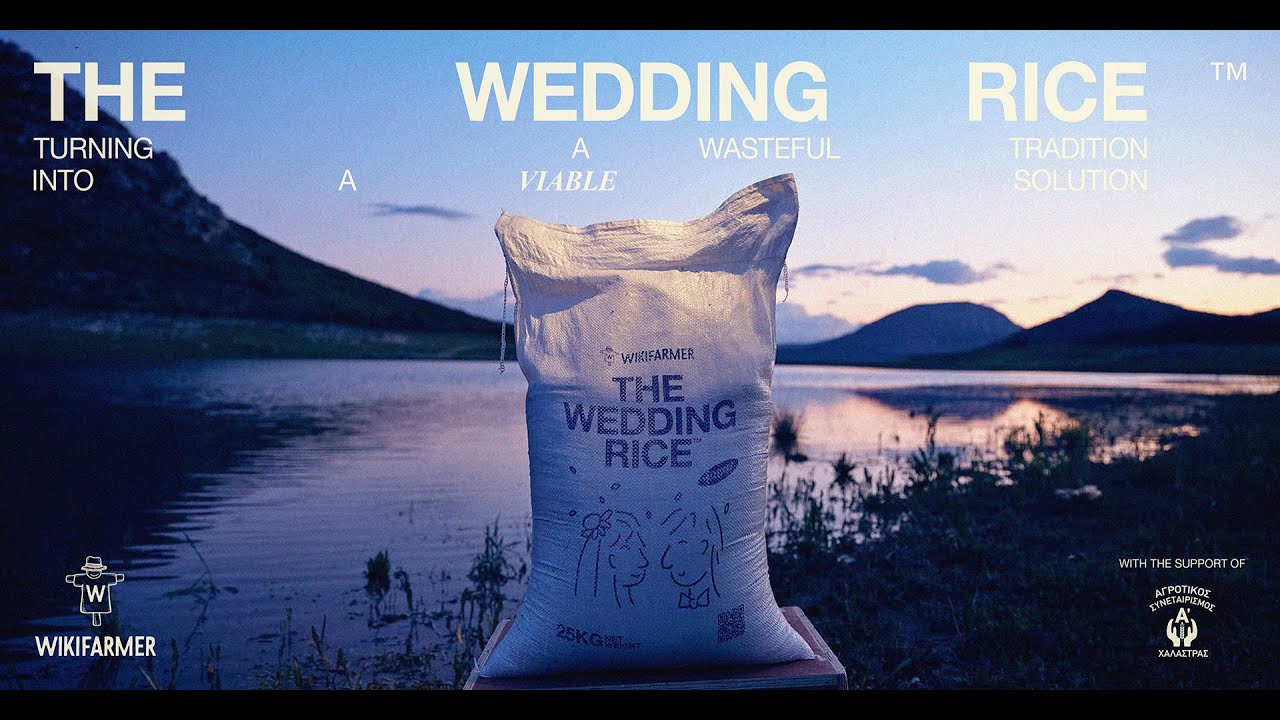
Repurposed non-edible rice grains into a sustainable product specifically for wedding ceremonies.
Wikifarmer transformed non-edible, low-quality rice grains into a dedicated product for the Greek wedding tradition. By repurposing agricultural waste into a ceremonial necessity, the brand reduced food waste while creating a new, sustainable revenue stream for local farmers.
Turning Wedding Waste Into Market Gold
From Field to Altar
The campaign successfully bridged the gap between industrial agricultural logistics and emotional consumer behavior. By partnering with the Primary Agricultural Cooperative of Rice Producers of Chalastra, Wikifarmer turned a cultural habit into a supply chain solution. The initiative saw 3 tons of rice sold in its opening week alone, proving that consumers were eager to participate in a circular economy model. This surge contributed to a 260% increase in overall rice sales across the Wikifarmer platform, while site traffic spiked by 110% during the launch period.
A Government-Backed Cultural Shift
The project gained significant momentum through official recognition, with the Greek government citing it as a model for reducing food waste. This endorsement helped transition the campaign from a niche B2B experiment into a mainstream cultural movement. By positioning the product as a ceremonial necessity rather than a commodity, the brand successfully tapped into the emotional weight of Greek weddings.
The Creative Engine
The campaign was spearheaded by Panos Pagonis, whose leadership at McCann Athens was instrumental in navigating the complexities of the B2B marketplace. The production focused on authenticity, highlighting the direct link between the farmers of Chalastra and the end users. This focus on transparency and sustainability resonated deeply with the industry, marking a turning point for how B2B brands communicate their impact. The initiative remains a benchmark for how creative commerce can solve tangible agricultural problems while simultaneously driving measurable business growth.
Creative Strategy Deconstructed
Company
Wikifarmer leveraged its B2B digital platform to connect agricultural cooperatives directly with consumers for sustainable product distribution.
Category
The agricultural sector typically discards grains that fail to meet strict commercial aesthetic standards for human consumption.
Customer
Couples wanted to uphold cherished wedding traditions without the guilt of wasting food during a national supply shortage.
Culture
A growing societal focus on sustainability and food security made the repurposing of agricultural waste a highly resonant initiative.
Company
Wikifarmer leveraged its B2B digital platform to connect agricultural cooperatives directly with consumers for sustainable product distribution.
Category
The agricultural sector typically discards grains that fail to meet strict commercial aesthetic standards for human consumption.
Strategy:
Convert systemic waste into a functional solution by reframing cultural habits through sustainable product innovation.
Customer
Couples wanted to uphold cherished wedding traditions without the guilt of wasting food during a national supply shortage.
Culture
A growing societal focus on sustainability and food security made the repurposing of agricultural waste a highly resonant initiative.
Strategy:
Convert systemic waste into a functional solution by reframing cultural habits through sustainable product innovation.
Results
The campaign introduced 'The Wedding Rice' to the market, aiming to save 200 tonnes of edible rice per year. It successfully created a new revenue stream for local farmers by commercializing non-edible grains that would otherwise be discarded, while preserving a cultural tradition.
200 tonnes
of edible rice saved annually
Strategy Technique
Make the Invisible Visible
The campaign identified the hidden, systemic waste of rice in traditional ceremonies. By highlighting this overlooked practice, the brand turned a quiet cultural habit into a visible opportunity for sustainable change.
Explore Technique
Creative Technique
Turn Message into Product
The campaign physically transformed a waste problem into a functional, purpose-built product. By creating a dedicated SKU for weddings, the brand turned a sustainability message into a tangible, purchasable solution.
Explore Technique
Craft Breakdown
This campaign's craft is elevated by its brilliant product design and purposeful copywriting, turning an environmental issue into a culturally respectful business solution.
The creation and packaging of 'The Wedding Rice' as a dedicated, non-edible product beautifully bridges cultural tradition and ecological responsibility.
The on-screen text and interview narratives are concise, informative, and emotionally resonant, framing the issue without shaming the tradition.