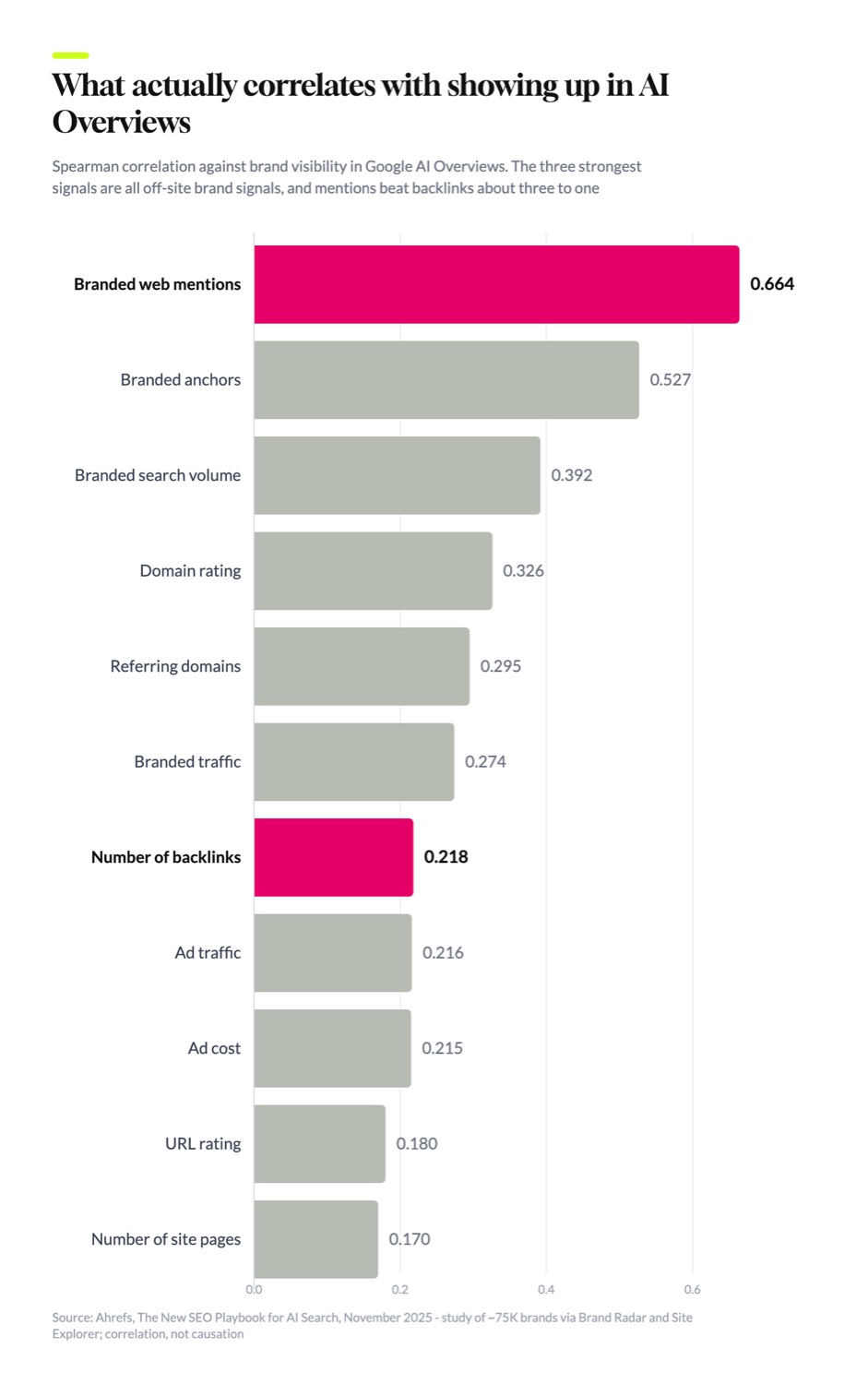
ElevenLabs runs AI-localized ads in 50+ countries: 17.6% higher conversions, $3.8M incremental. Here's the playbook - and the Japan-shaped hole in it.
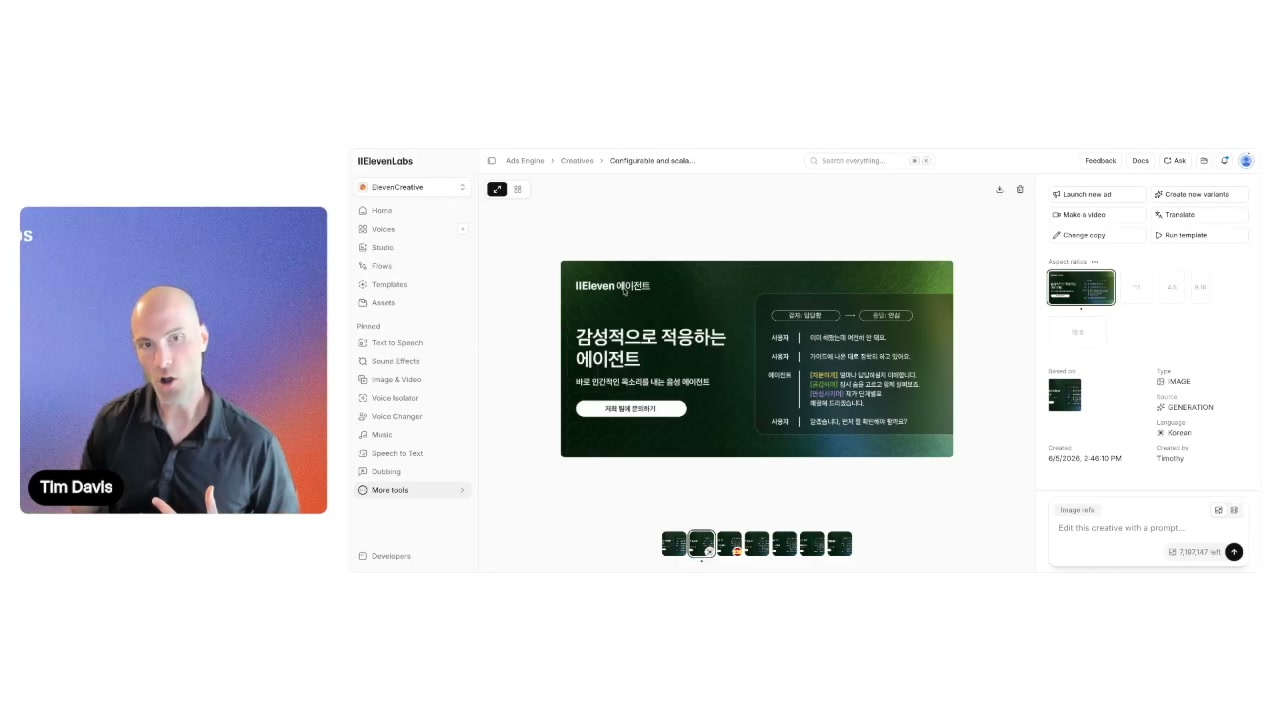
ElevenLabs builds AI voices so convincing that Hasbro trusts them with its most iconic characters. Their translation engine handles 50+ languages. And when they pointed that engine at their own display ads, it confidently translated their own product name - ElevenAgents - into Korean.
Their own brand. Into Korean. Nobody asked it to.
That small incident, shared with disarming honesty in ElevenLabs' recent localization workshop, is the perfect summary of AI localization in 2026: the technology is genuinely spectacular, and it will still walk off a cliff the second you stop watching it.
The numbers that make babysitting worth it
ElevenLabs' paid marketing team localizes ads into 50+ countries using an internal tool they have since productized as Ads Engine. It plugs into their ad accounts, pulls live campaigns, localizes text, images and video, and pushes everything back to Google, Meta and LinkedIn.
The results, from their own slide:
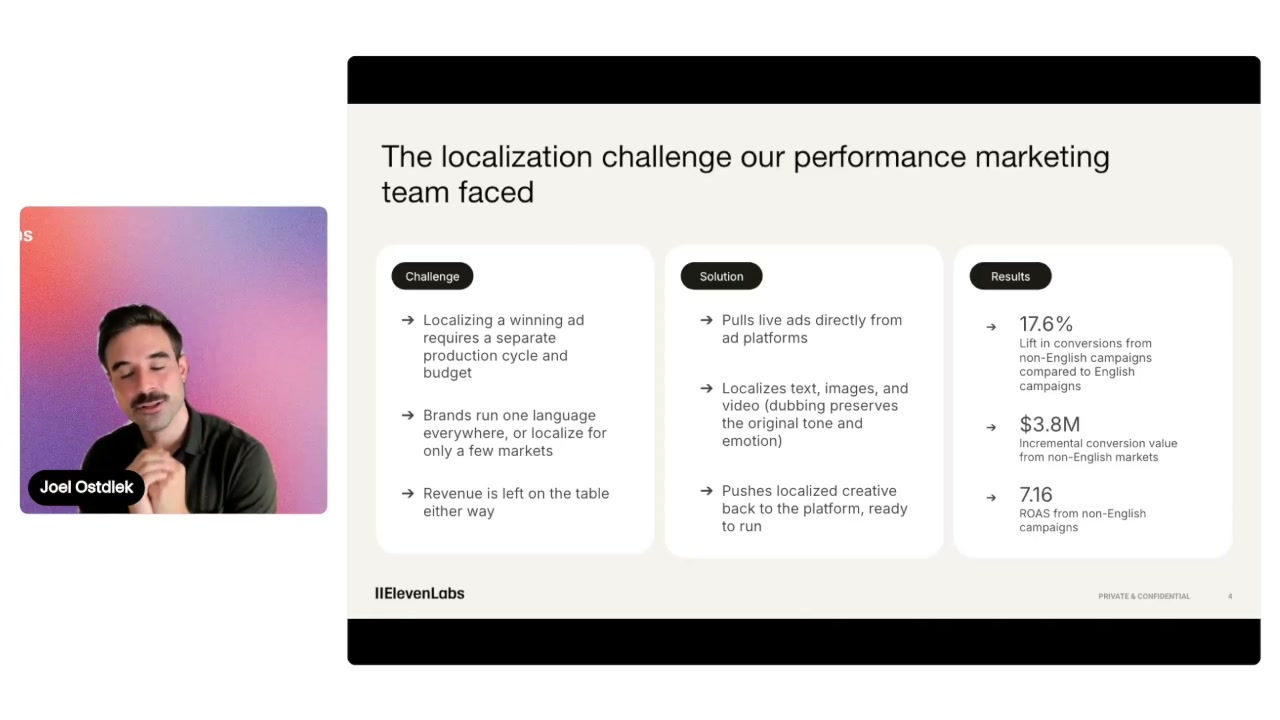
Source: ElevenLabs, "How ElevenLabs Runs Localized Ads in 50+ Countries with AI" workshop, 2026
Non-English campaigns convert 17.6% better than their English ones. That's $3.8M in incremental conversion value at a 7.16 ROAS - not from new creative, not from new audiences. From the same winning ads, re-spoken.
Most brands leave that money on the table because localization means a second production cycle, a second budget, and a translator invoice that arrives faster than the translations do.
The spreadsheet you are probably running right now
The best part of the workshop was Tim Davis, ElevenLabs' head of paid marketing, demoing what most performance marketers actually do today: typing =AI("translate this from English to German, keep it under 30 characters") into Google Sheets.
Three things happened, live, in front of everyone:
The AI blew past the 30-character limit he explicitly gave it.
The same headline appeared twice in the sheet - and got translated three different ways.
The only quality check available was translating the German back into English, because nobody on the call spoke German.
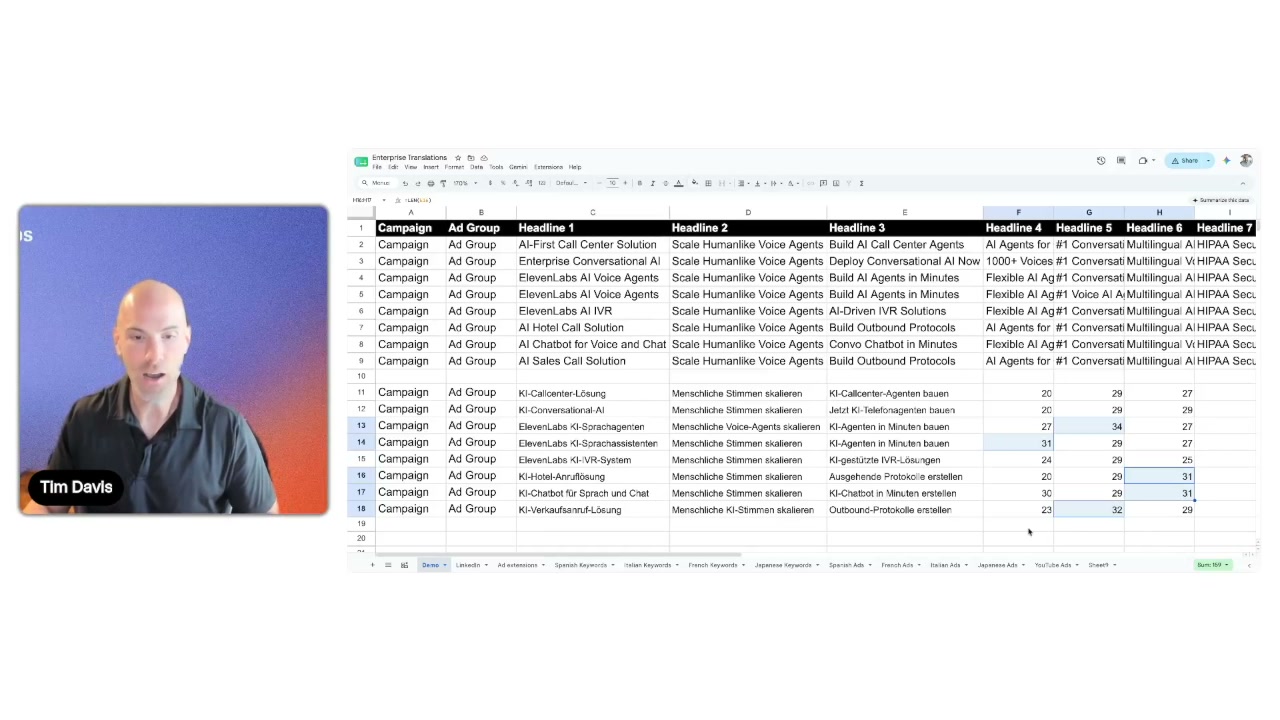
Source: ElevenLabs localization workshop, 2026
Davis' diagnosis deserves a place on a t-shirt: "AI is going to AI." At ElevenLabs' scale - hundreds of thousands of ads - that spreadsheet ritual means days of manual checking per language. Multiply by 50 markets and you understand why most teams quietly decide their winning ad only needs to win in English.
What the grown-up version looks like
The interesting part isn't that ElevenLabs automated translation. It's the paranoia they wrapped around it:
Multiple LLMs cross-check every translation. It's slower on purpose. One model translating is an opinion; several models agreeing is a fact.
Per-language guardrails - "keep product names unchanged", formality dialed down for markets that found the ads stiff, brand terms locked. Written once, applied forever.
A native-speaker escape hatch. Every translated campaign can be exported and sent to a human before it spends a cent.
Source: ElevenLabs localization workshop, 2026
That Korean ad above is the reason all three exist. The engine translated the brand name; a human caught it; a guardrail now prevents it. The system didn't remove humans - it moved them from typists to inspectors.
Japan, where the plan met reality
Portuguese worked. Spanish worked. So the team rolled the same playbook into Japanese and... nothing. Reach was there, demand was there, conversions were not.
The diagnosis became the workshop's mantra: translation is not localization. Japan didn't need the same ad in better Japanese. It needed different creative, different colors, a different site experience - a different argument, not different words.
Layer | What fixes it | ElevenLabs example |
|---|---|---|
Words | Translation | 50+ languages, multi-LLM checked |
Tone and formality | Localization rules | Ads read as too formal in UAE and Malaysia |
Voice, pacing, emotion | Dubbing that preserves the original delivery | Hasbro's iconic voices staying iconic in Korean |
Creative, colors, imagery | Market-specific creative | The Japan lesson |
Operations | Humans who speak the language | Run Hindi ads without Hindi support and your tickets arrive in Hindi |
That last row is the least glamorous and the most expensive to ignore. Localization isn't a marketing project; it's an operations commitment wearing a marketing hat.
What to steal from this
You don't need ElevenLabs' internal tooling to use their logic:
Your winning ad is your cheapest growth lever. Before you brief new creative, ask which market hasn't heard the current winner in its own language.
Never let AI translate unsupervised. Guardrail the brand terms, cross-check the output, keep a native speaker in the loop.
Budget for localization, not translation. If a market underperforms in its own language, the words were probably fine - study how brands actually crack local markets (our campaign library is full of them, sorted by market) and change the argument instead.
ElevenLabs found $3.8M hiding inside campaigns they had already made. The revenue wasn't waiting for a better idea. It was waiting for someone to say the existing idea in Dutch.