Cannes Lions 2026 Day 2 proved that when you stop treating audiences like targets and start treating them like humans with taste, magic happens.
Let’s be adults about this: most advertising awards are just expensive group therapy for people who spend too much time looking at spreadsheets. But on Day Two of the Cannes Lions 2026, something weird happened. The juries actually stopped arguing over corporate wallpaper and started rewarding ideas that possess a proper, beating heart.
The theme of the day? Fandom, craft, and the beautiful realization that you cannot buy love - you have to earn it.
---
1. adidas - Original Forever (Entertainment & Music Grand Prix)
How do you launch a national kit when every other sports brand on earth is releasing the exact same sweat-soaked, slow-motion corporate sermon? You don’t launch a kit. You hijack a cultural reunion that a country has been praying for over the last fifteen years.
By casting adidas as the official, authentic wardrobe of the historic Oasis reunion tour, Original Forever didn’t just run an ad. They used the Borrow Equity technique to fuse brand, band, and audience into one inseparable cultural moment. It bypassed the rational brain entirely, proving once again the Law Of Emotion Over Reason. They didn’t need to tell a story; they just showed up where the community was already crying tears of nostalgic joy.
---
2. Clash Royale - Copycats Welcome (Gaming Grand Prix)
Most corporate lawyers react to knock-off versions of their product by sending terrifying cease-and-desist letters that achieve nothing except making the brand look like a playground bully. Clash Royale did the exact opposite.
In a masterclass of turning weakness into strength, Copycats Welcome offered a literal amnesty to players of rip-off games. They told them: "We see you. Bring your progress, your hours, and your accrued virtual wealth, and transfer them directly into the original game." This is the Reciprocity Law in its purest, most digital form. By being ridiculously generous, they made the original game the only acceptable place to play.
---
3. Club Deportivo Municipal - The Thousand Sponsors of Muni (Sport Grand Prix)
What do you do when your sports club is facing bankruptcy and you can’t afford a single, multi-million-dollar jersey sponsor? You don’t look for a billionaire. You divide your shirt into a grid of 1,000 micro-sponsorship spaces and hand them over to the fans.
McCann Lima’s campaign for The Thousand Sponsors of Muni is a beautiful application of the Celebrate the Super-Fans strategy. It used the Get Who To By framework to turn a financial crisis into a collective act of belonging. When you give people a badge of honor, they don’t just support the brand - they carry it.
---
4. De'Longhi - Tiny Coffee Shops (Industry Craft Grand Prix)
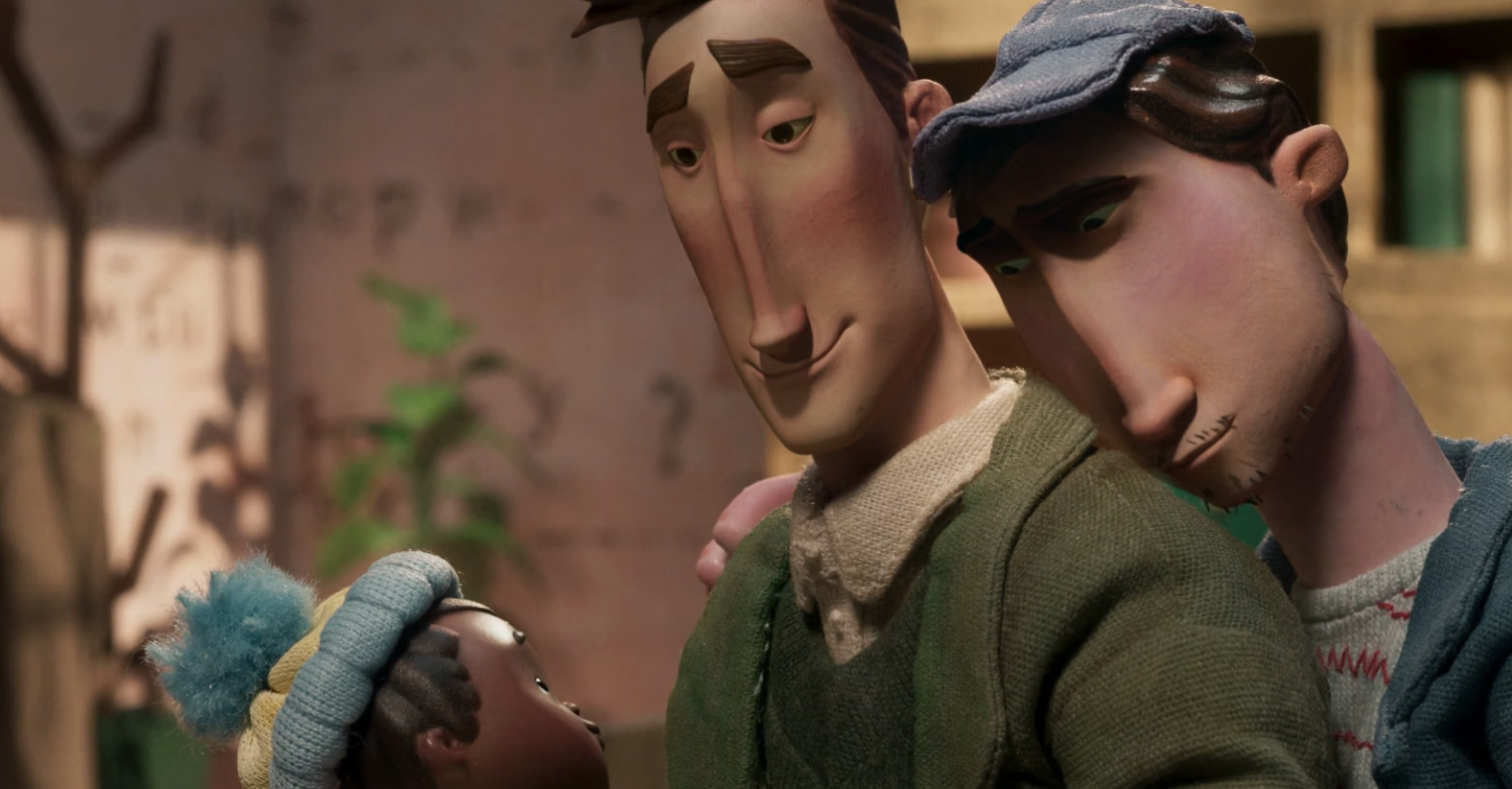
In a world obsessed with rendering synthetic, pixel-perfect environments in a computer lab, De'Longhi decided to build something real. Really, really small.
By crafting miniature, hyper-detailed replicas of famous cafes directly onto De'Longhi coffee machines, Tiny Coffee Shops used the Amplify the Small mechanic to perfection. It is a stunning rebuke to the Law Of Over-Optimization. While competitors are busy A/B testing their landing pages into a grey soup of average, De’Longhi invested in extraordinary practical craft that made the jury feel like kids again.
---
5. Coinbase - Your Way Out (Film Craft Grand Prix)
Most financial services and crypto brands love to explain their revolutionary technology using words that absolutely nobody understands. Coinbase decided to show us what freedom feels like instead.
Directed by Isle of Any, Your Way Out depicts a protagonist breaking out of a low-poly, rigid game world - a literal analogy for the problem of the traditional banking system. The film won the Grand Prix for direction because the depth of the craft was simply impossible to ignore. It stands firmly on the Law Of Memory Building: advertising doesn’t work by changing minds with rational arguments; it works by building rich, distinct memory structures that people can’t shake off.
---
6. Google - Project Genie (Digital Craft Grand Prix)
We are currently drowning in a sea of boring AI tools that promise to write your emails faster. Google decided to use AI to do something that actually matters: unlocking human imagination.
Project Genie allows users to transform simple text prompts into interactive, photorealistic 3D worlds in real-time. Instead of treating technology as a shortcut, Google used the Build an Utility, Not an Ad strategy. They proved that the real breakthrough never happens when you show off the technology itself - it happens when you hand the steering wheel to the user.
---
7. Apple - Apple TV Rebrand (Design Grand Prix)
When a massive tech giant decides to rebrand its streaming service, the usual process involves a flat, vector logo and a 200-page brand guidelines document that makes designers want to quit the industry. Apple chose a different path.
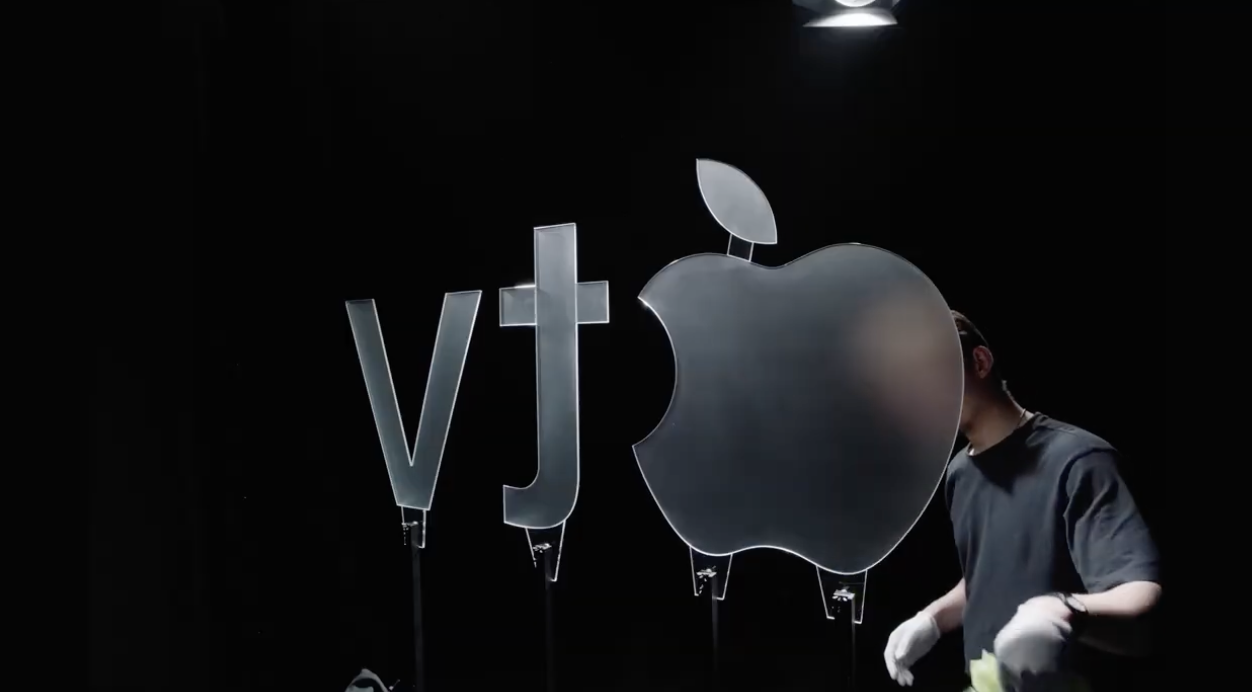
The Apple TV Rebrand transformed the iconic logo into a physical, cinematic object of light and glass. It was a beautiful rebellion against the flat, digital conformity of modern design. By showing the behind-the-scenes footage of how the physical objects were manipulated to capture real light, Apple used the Distinctive Assets Law to make their brand cue feel incredibly premium, human, and soulful.
---
8. Rosalía - Berghain (Music Grand Prix)
Music videos are usually just three minutes of an artist looking attractive in front of different colored lights. Rosalía decided to give us a psychological thriller about anxiety.
In Berghain, an inescapable, surreal orchestra follows the artist through the mundane moments of everyday life to visualize her internal panic. It is a stunning piece of storytelling that uses the Follow the Emotional Arc technique. By combining classical elements with modern club culture, the brand didn’t just sponsor an artist - they co-created a piece of culture that people actually wanted to watch.
---
"The lesson of Day Two is brutally simple: if you want to build a brand that people actually care about, you have to stop trying to manufacture relevance and start investing in real human truth and exceptional craft."
Ready to stop writing empty decks and start building strategy that actually works? Head over to the Creative Session to start ideating your next campaign, or use the Framework Generator to build a strategy that doesn't put your clients to sleep. Let's make some work worth keeping.