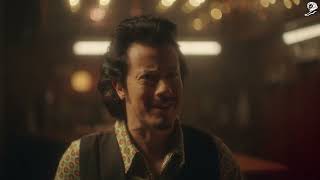
2026RingConsumer Services & B2BCase video
Ring: Be A Hero In Your Neighborhood
Ring tasked its in-house creative team with increasing brand utility and community engagement. The client sought to address the emotional pain of lost pets by utilizing existing camera infrastructure. The goal was to demonstrate the value of the Ring ecosystem to a broad audience by positioning the brand as a helpful, neighborhood-focused partner in pet safety.
Creative Idea
Turned existing home security cameras into a neighborhood-wide search network for lost pets.
Ring transformed its existing outdoor camera network into a community-wide search tool for lost pets. By leveraging AI-driven computer vision, the campaign turned passive home security into an active, collaborative neighborhood rescue system, empowering users to help reunite families.
Ring's Search Party: Turning Camera Networks into AI Rescues
Mobilizing Neighborhood Infrastructure for Missing Pets
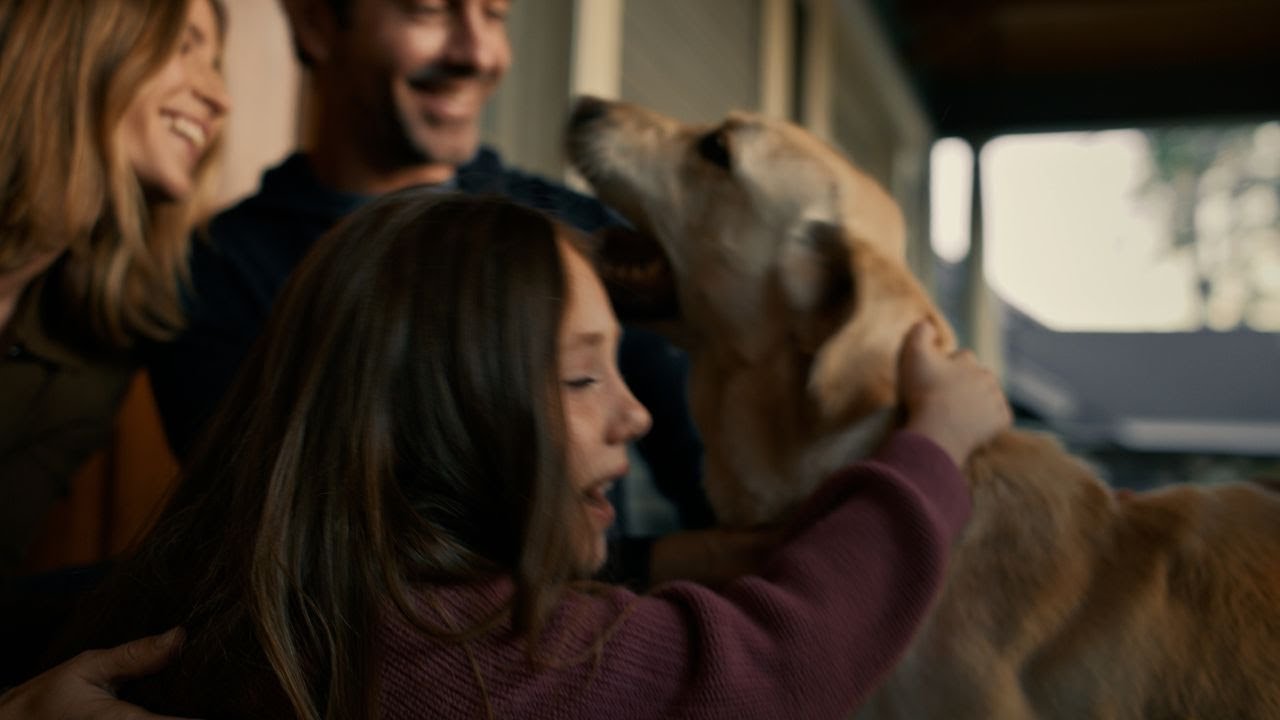
The 'Search Party' campaign launched with the Super Bowl spot "Be A Hero In Your Neighborhood" to introduce Search Party for Dogs. The feature turns passive home security infrastructure into a coordinated neighborhood AI search network. By pairing existing outdoor Ring cameras with computer-vision AI, a missing-dog post in the Ring app initiates a localized search where participating cameras scan saved footage to help locate lost pets. Camera owners retain control over whether to share matched clips, and the mobile experience simplifies AI matching into a single-click action for pet owners.
The campaign debuted Ring's first linear Super Bowl spot during the third quarter on NBC. The ad opens with the statistic that approximately 10 million dogs go missing each year. Structured as a montage of lost pet posters across the country, the spot follows a lost dog named Milo to his family reunion, concluding with Ring founder Jamie Siminoff holding his phone with the Search Party feature active. Siminoff also appears in the ad alongside his Belgian Malinois, Biscuit.
Surveillance Concerns and Backlash
Despite its focus on community pet safety, the technology drew severe criticism from public figures and privacy advocates who described the system as "creepy" and "dystopian." Critics, including Sen. Ed Markey and the Electronic Frontier Foundation (EFF), argued that an AI tool capable of scanning neighborhood camera networks for pets could easily be adapted to track and identify humans, warning against mass surveillance framed as dog rescue.
The public pushback directly impacted user engagement, leading some customers to disable the Search Party feature entirely, while Peak Metrics recorded that 17% of brand-relevant conversations involved boycott or cancellation language. Shortly after the Super Bowl ad aired, Ring and Flock Safety canceled a planned integration that would have enabled police to request Ring footage, a move linked by industry commentators to the broader surveillance backlash sparked by the campaign.
Creative Vision & Leadership Perspectives
The idea is rooted in a shared truth: we've been looking for our lost pets the same way for generations
We wanted to keep the creative really simple, no grand production or flashy celebrities
the best you could do was drive up and down the neighborhood
STEPPS deconstruction
The STEPPS framework exposes how leveraging high-arousal emotional utility can ignite virality while simultaneously triggering intense public scrutiny over underlying privacy concerns.
Results
Since launch, the Search Party feature has helped reunite more than 1 dog per day with their family, with Amazon CEO Andy Jassy stating the tool found 99 dogs in 90 days. In connection with the campaign, Ring committed $1 million to equip over 4,000 U.S. animal shelters with camera systems.
99
Dogs found in 90 days
$1 Million
Committed to U.S. animal shelters
4,000+
U.S. shelters that could benefit
17%
Conversations with boycott language
Strategy Technique
Build an Utility, Not an Ad
Ring created a functional tool that solves a genuine emotional pain point for pet owners. The campaign succeeds by demonstrating the product's value through real-world problem solving rather than traditional advertising.
Explore Technique
Creative Technique
Unexpected Utility
The campaign repurposes existing home security hardware into a community search tool. It transforms a passive surveillance product into an active, helpful utility for pet owners.
Explore Technique
Craft Breakdown
Ring's 'Search Party' campaign excels through seamless Digital Craft and Technology integration, turning a network of home security cameras into a community-driven AI search network for missing pets.
Leveraging existing home security infrastructure with computer-vision AI transforms passive cameras into a proactive, collaborative community tool.
The seamless mobile user experience turns complex AI matching into a simple, single-click action for distraught pet owners.
“The strength comes from pairing consumer smart-home hardware technology with an accessible digital app experience that drives real-world social good.”
Questions about Ring: Be A Hero In Your Neighborhood
What is Ring's Search Party campaign?
The Search Party campaign promoted a feature that turns a network of Ring home security cameras into an AI-driven neighborhood search network to help find missing dogs.
When did Ring air its first Super Bowl ad?
Ring's first linear Super Bowl spot aired during the third quarter of the Super Bowl on February 8, 2026 on NBC.
Who produced and directed the Super Bowl ad?
The spot was directed by John Christopher Pina and produced by Los Angeles-based production company Miniac.
What music was used in the Super Bowl commercial?
The spot featured Harry Nilsson's song "Without You".
Why was the Ring Super Bowl ad controversial?
Critics, civil liberties advocates, and lawmakers called the technology "creepy" and "dystopian," raising concerns that scanning camera networks for dogs created a mass surveillance system that could be used to track humans.
How many dogs has Search Party helped locate?
According to Amazon CEO Andy Jassy, Search Party reunited 99 dogs in its first 90 days, averaging more than one dog per day since launch.
Credits (4)
| Director | John Christopher Pina |
|---|---|
| Production Company | Miniac |
| Production Company Leadership | Stephen Roesler |
| Production Company Leadership | Rogers Marquess |