Philips - Refurb: Better Than New
Philips needed to address the growing e-waste problem caused by product returns and shift consumer perception that new items are inherently superior. They aimed to raise awareness and drive sales of their high-quality refurbished products, emphasizing their commitment to sustainability.
Creative Idea
Philips flipped its e-commerce model, selling only refurbished products to expose the e-waste crisis.
Philips launched "Better Than New" by exclusively selling refurbished products on its e-commerce platform during the holidays, using an AR installation and striking visuals to dramatically expose the e-waste crisis and offer a sustainable solution.
Flipping the Script on the New Product Obsession
Archival Art Meets Modern Circularity
To bridge the gap between Philips’ heritage and a sustainable future, LePub Amsterdam collaborated with the provocative creative studio TOILETPAPER. Artist Maurizio Cattelan and photographer Pierpaolo Ferrari scoured the Philips archives to find iconic mid - 20th - century advertisements. They reimagined these vintage visuals with a "Retro - Future" aesthetic, replacing original items with modern refurbished tech like the OneBlade and Sonicare toothbrush. This artistic choice aimed to make "refurbished" feel premium and aspirational rather than a compromise.
The Earth Day E-commerce Blackout
The campaign’s most radical move was a total business model shift. On Earth Day, Philips effectively "closed" its website for new products, allowing only the purchase of Refurb Edition items. This "Refurb Friday" strategy was so successful that the entire inventory sold out "in no time." The initiative resulted in 52,000 refurbished products sold, making it the brand’s fastest - selling promotion in history. By prioritizing used goods over new ones, Philips prevented 185 tons of e-waste and saved an estimated 277 tons of CO2 emissions.
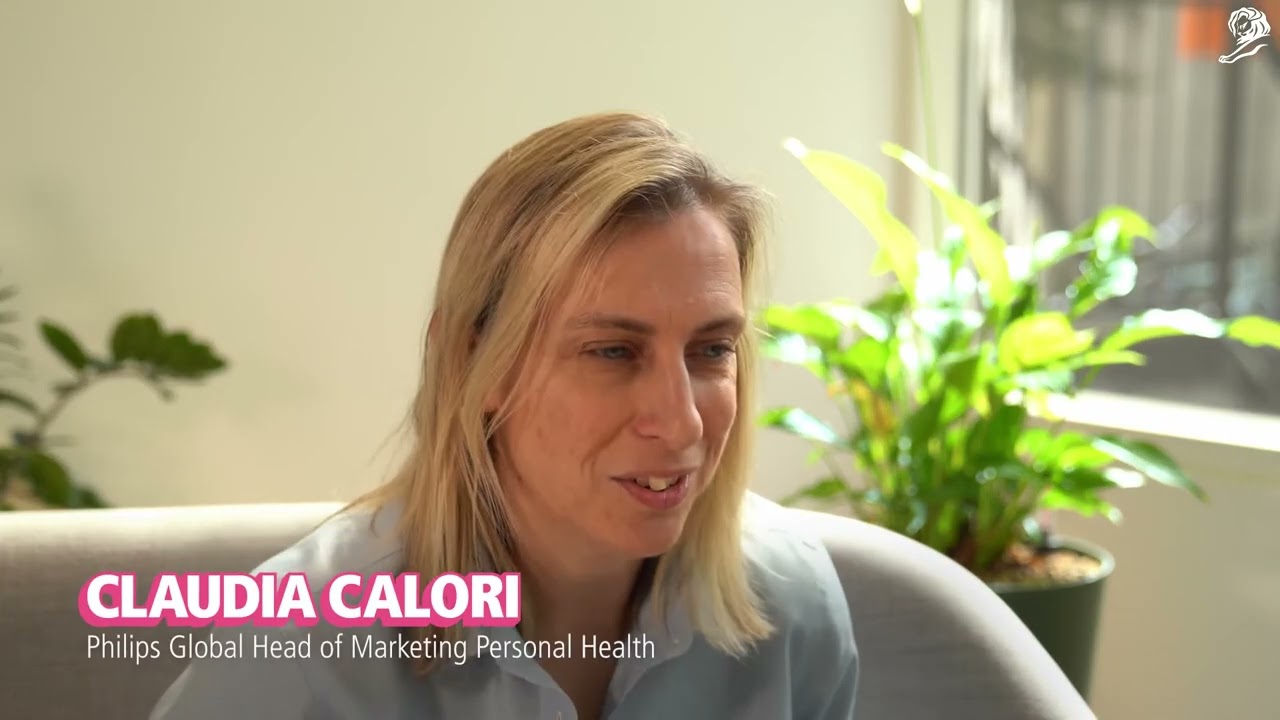
Visualizing the Invisible Waste
In Berlin, the agency used immersive technology to confront consumers with the scale of holiday waste. An AR activation at Alexanderplatz allowed passers - by to scan a QR code and see virtual mountains of discarded gifts towering over the city. This digital installation represented the 10 million gifts that end up in landfills annually. To further prove product durability, the brand offered a one - day - only lifetime warranty on refurbished items, directly challenging the consumer insight that 1 in 3 Germans view second - hand goods as inferior quality.
Creative Strategy Deconstructed
Company
Philips had a strong commitment to sustainability and products designed for longevity, making refurbished offerings credible and high-quality.
Category
The electronics category conventionally prioritizes new product sales, often overlooking the environmental impact of returns and consumption.
Customer
Consumers felt guilt about waste but lacked easy, trustworthy options to make sustainable purchasing decisions for electronics.
Culture
A rising cultural consciousness around environmental sustainability and the urgent need to reduce e-waste provided a receptive audience.
Company
Philips had a strong commitment to sustainability and products designed for longevity, making refurbished offerings credible and high-quality.
Category
The electronics category conventionally prioritizes new product sales, often overlooking the environmental impact of returns and consumption.
Strategy:
Challenge consumer perception of 'new' by exposing the hidden environmental cost of convenience.
Customer
Consumers felt guilt about waste but lacked easy, trustworthy options to make sustainable purchasing decisions for electronics.
Culture
A rising cultural consciousness around environmental sustainability and the urgent need to reduce e-waste provided a receptive audience.
Strategy:
Challenge consumer perception of 'new' by exposing the hidden environmental cost of convenience.
Results
The campaign successfully sold 52,000 refurbished gifts. As a direct result of this initiative, 0 Philips products ended up in landfills. Furthermore, the campaign led to 185 tons of e-waste being avoided. News outlets like Wired and The New York Times reported positively on Philips' move, with The Verge stating, "Philips opted for the sustainable ecomm model — and it worked." All refurbished products sold out "in no time."
52,000
refurbished gifts sold
0
Philips products in landfills
185 tons
e-waste avoided
Strategy Technique
Make the Invisible Visible
The campaign highlighted the unseen environmental impact of returned products ending up in landfills. By making this hidden e-waste visible, it created urgency and demonstrated Philips' commitment to a circular economy.
Explore Technique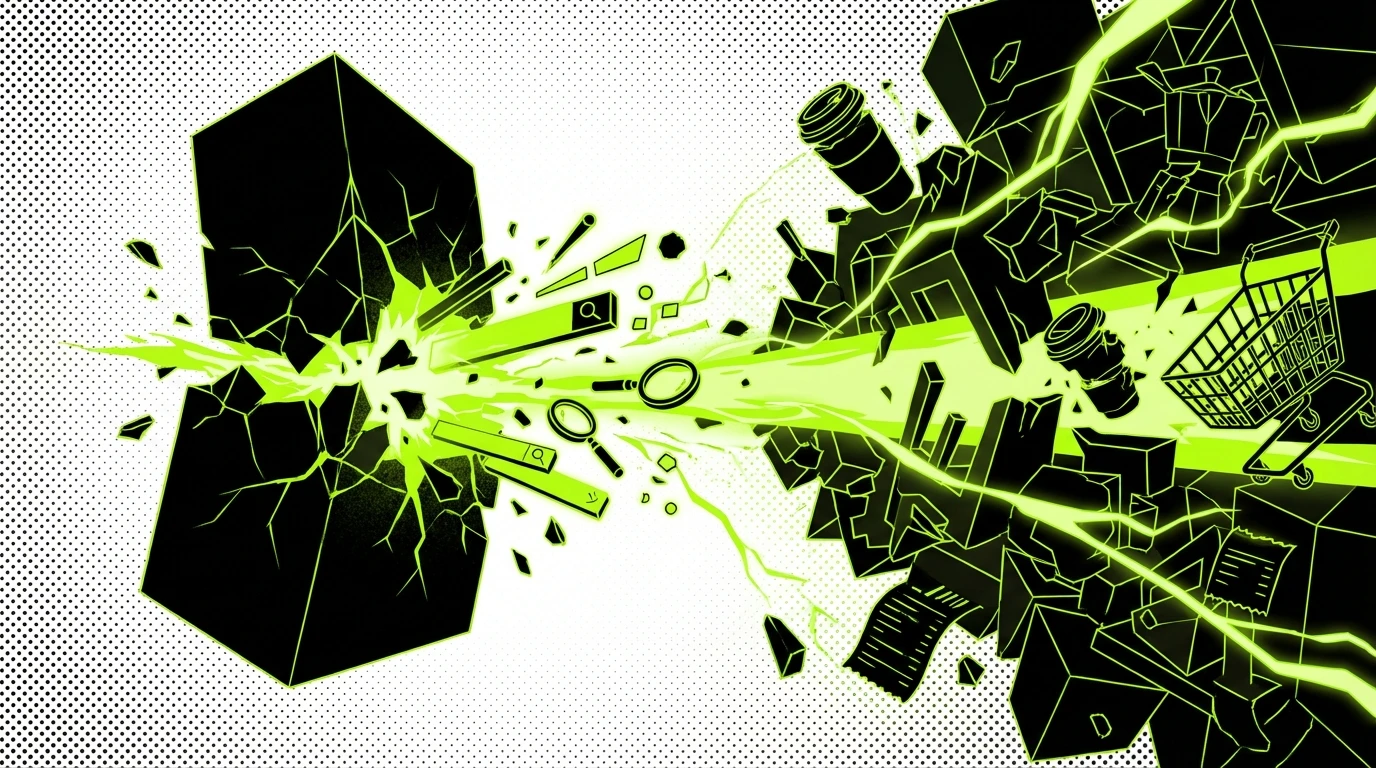
Creative Technique
Dramatize the Problem
The campaign used an AR installation to visually overwhelm people with the hidden reality of e-waste from returned products. This stark dramatization made the environmental problem undeniable and urgent.
Explore Technique
Craft Breakdown
This campaign's exceptional craft lies in its bold art direction, strategically reframing a sustainability problem into a desirable brand solution through innovative digital experiences and striking visual design.
The campaign's visual identity, including the vibrant, futuristic aesthetic of the outdoor advertising and the product presentation, elevates refurbished items to a desirable, modern status.
The augmented reality installation powerfully visualizes the e-waste problem and interactively guides users to the sustainable solution, showcasing innovative use of digital experience to convey impact.
“The campaign's strength comes from the seamless integration of a bold core idea with compelling visual branding and an engaging interactive digital experience.”