2026Uber EatsTravel, Leisure, Retail & RestaurantsVideo ad
Uber Eats: Get Almost Almost Anything
Uber Eats tasked Special US with communicating the vast, expanding selection of its delivery platform beyond just restaurant food. The client needed to overcome the perception that the service only delivers meals, aiming to prove that almost any retail item is available. The campaign targeted a broad US audience, seeking a creative approach that would make the brand's extensive inventory feel both surprising and essential.
Creative Idea
Cinematic misinterpretations of product names turn a retail message into a funny guessing game.
Uber Eats dramatized its vast selection by intentionally misinterpreting everyday items as absurd, cinematic scenarios. This playful bait-and-switch strategy turned a rational retail message into a guessing game, proving that while you cannot get everything, you can get almost anything.
Turning Literal Wordplay Into Cinematic Absurdity
The Art of Cinematic Misdirection
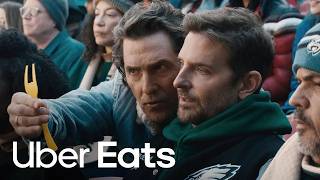
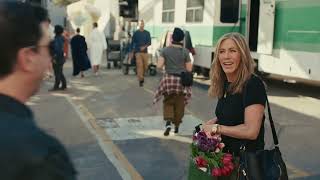
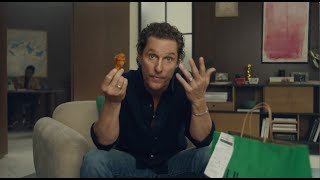
Director Nick Ball and the team at MJZ utilized a specific visual strategy to sell the joke. Each of the 10 films was shot with high-end, dramatic lighting and period-accurate styling to mimic serious cinema. By maintaining a straight-faced, cinematic tone for 10 to 20 seconds longer than a standard commercial, the production team heightened the tension before the inevitable, mundane reveal of the actual product. This deliberate pacing transformed the spots into an interactive guessing game for the audience.
Behind the Costume Design
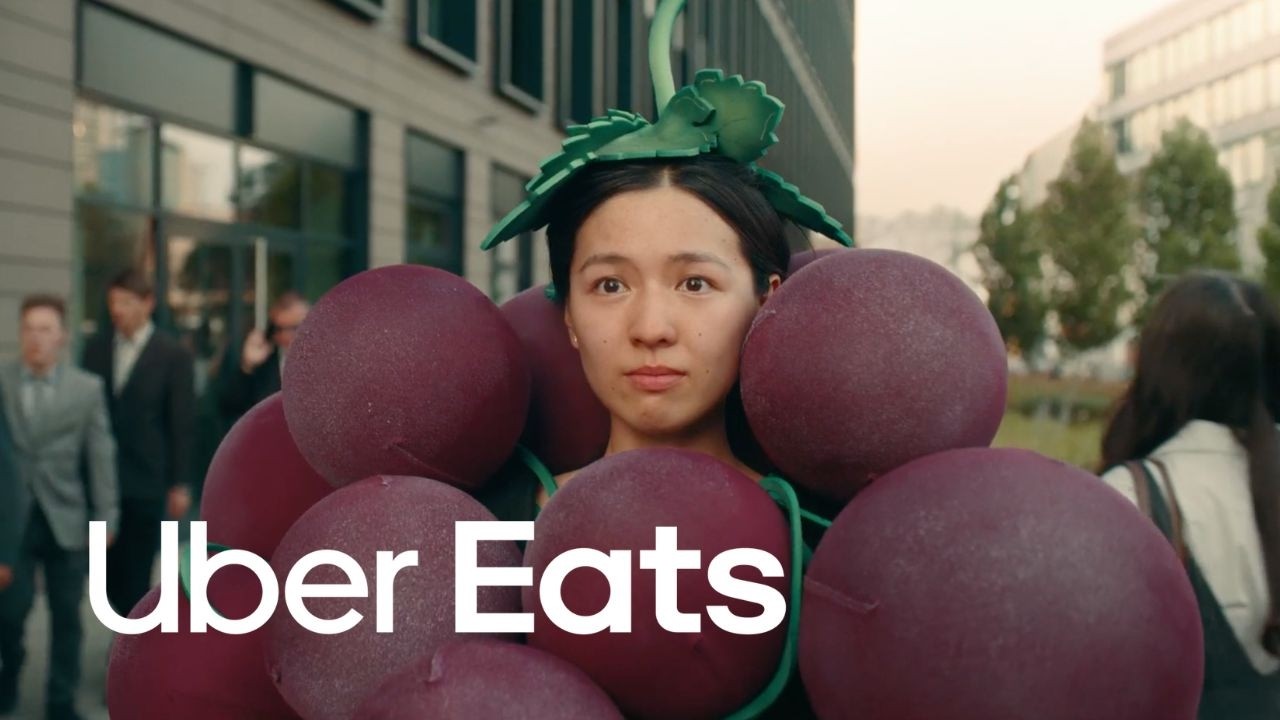
Unlike previous high-profile Uber Eats campaigns that relied on A-list celebrity cameos, this series focused on character-driven comedy. The Passion Fruit spot featured two performers in custom-built, full-body fruit suits. The production team prioritized these physical, high-concept costumes to ground the absurdity in a tangible, visual reality, ensuring the "misinterpretation" of the product name felt both ridiculous and visually striking.
Strategic Retail Evolution
Georgie Jeffreys, Head of Marketing for Uber North America, noted that the campaign’s strength lies in the "endless room" provided by the platform to play with everyday items. David Horton and Matthew Woodhams-Roberts, Co-CCOs at Special US, emphasized that the campaign functioned as a creative solution to a legal and logical challenge: because they could not claim to deliver "anything," they used the things they couldn't deliver to highlight the vast range of items they actually could. By turning a rational retail proposition into a series of surreal vignettes, the agency successfully expanded the brand's perception as a versatile marketplace for more than just restaurant meals.
4C Framework deconstruction
Company
Uber Eats leveraged its massive, ever-expanding marketplace of diverse merchants, brands, and grocery categories to prove its near-endless delivery selection.
Category
Retail delivery brands typically rely on rational, functional messaging about speed, convenience, or specific food items to communicate their value.
Customer
Consumers often struggle to grasp the full breadth of a delivery app's inventory, viewing it only as a restaurant food service.
Culture
The rise of short-form, high-production cinematic storytelling on social media made audiences receptive to entertaining, narrative-driven advertising that rewards viewer attention.
Company
Uber Eats leveraged its massive, ever-expanding marketplace of diverse merchants, brands, and grocery categories to prove its near-endless delivery selection.
Category
Retail delivery brands typically rely on rational, functional messaging about speed, convenience, or specific food items to communicate their value.
Strategy:
Use creative absurdity to transform functional retail inventory into an engaging, memorable consumer guessing game.
Customer
Consumers often struggle to grasp the full breadth of a delivery app's inventory, viewing it only as a restaurant food service.
Culture
The rise of short-form, high-production cinematic storytelling on social media made audiences receptive to entertaining, narrative-driven advertising that rewards viewer attention.
Strategy:
Use creative absurdity to transform functional retail inventory into an engaging, memorable consumer guessing game.
Strategy Technique
Use Absurd Logic
By pushing the literal interpretation of item names to an absurd extreme, the brand makes its vast selection memorable. This strategy turns a potential legal limitation into a creative asset that entertains while proving product availability.
Explore Technique
Creative Technique
Wordplays
The campaign uses linguistic ambiguity to create visual puns, transforming literal product names into absurd, cinematic scenes. This wordplay forces viewers to engage with the brand's inventory through a humorous guessing game.
Explore Technique
Craft Breakdown
This spot elevates a simple linguistic joke ('passion fruit') through cinematic visual storytelling, treating a absurd costume premise with the deadpan reverence of an epic Hollywood romance.
The literal wordplay on 'Passion Fruit' creates an instantly memorable punchline for the 'Get Almost Almost Anything' platform.
The actors deliver total emotional commitment to the absurdity, treating their fruit encounter with genuine romantic intensity.
“The perfect alignment between Aerosmith's dramatic soundtrack, cinematic camera movement, and deadpan acting makes the comedic visual pun hit with maximum impact.”