KFC: FCK Bucket
The client needed to address a major chicken shortage and widespread store closures in the UK. The brief was to craft an honest, impactful, and memorable apology that would acknowledge the problem directly, disarm public anger, and maintain brand affection amidst the crisis.
Creative Idea
KFC apologized for running out of chicken with a simple, self-deprecating FCK wordplay.
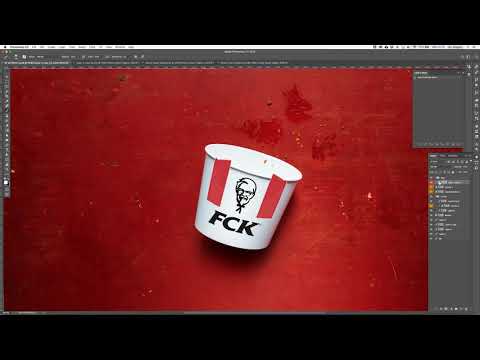
KFC bravely turned a major operational failure - running out of chicken - into a moment of self-deprecating humor and honesty, rearranging their iconic bucket letters to spell "FCK" in a full-page apology ad.
The Chicken Restaurant That Ran Out of Chicken
The 24 Hour War Room
When the crisis hit, Mother London and KFC bypassed traditional global approval layers, locking themselves in a "war room" to act with extreme speed. The "FCK" concept was designed on February 22 and appeared in newspapers by February 23. While the creative team worked on the layout, nearly a third of KFC’s UK marketing team was physically deployed to a distribution center in Rugby, working in fridges and freezers to help sort the chicken backlog.
Print Over Digital
The agency intentionally chose full - page print ads in The Sun and The Metro rather than social media. They believed print felt more "official" and sincere, whereas a tweet could be dismissed as mere corporate banter. The design relied on the "U" factor - by simply rearranging the brand's initials, they bypassed legal and newspaper standards while ensuring the message was instantly understood.
Turning the Sentiment Tide
The impact was immediate, generating over 797 million global impressions and appearing in more than 700 press articles. Brand sentiment, which had plummeted to -17% during the height of the closures, flipped to +31% following the apology. Despite losing an estimated $1 million per day during the peak of the shortage, the campaign stabilized the brand so effectively that sales returned to pre - crisis levels by the end of the year.
Policing the Fried Chicken
The crisis reached such a fever pitch that the Greater Manchester Police and Tower Hamlets Police had to issue public statements asking citizens to stop calling 999 to report that their local KFC was closed. CMO Meghan Farren initially questioned the bold move, asking the agency, "You want me to turn our brand into a swear word?" Ultimately, the radical transparency became a gold standard for crisis management.
Creative Strategy Deconstructed
Company
KFC could credibly deliver a frank, humorous apology acknowledging their unprecedented chicken shortage and store closures.
Category
Fast food brands typically avoid admitting major operational failures, often opting for vague statements or silence.
Customer
Customers were frustrated by store closures and wanted transparency, or at least a relatable, human response to the chaos.
Culture
In an era of corporate spin, people appreciated genuine, self-aware communication, especially from a major brand facing crisis.
Company
KFC could credibly deliver a frank, humorous apology acknowledging their unprecedented chicken shortage and store closures.
Category
Fast food brands typically avoid admitting major operational failures, often opting for vague statements or silence.
Strategy:
Deliver a radically honest, humorous apology to frustrated customers, cutting through corporate spin.
Customer
Customers were frustrated by store closures and wanted transparency, or at least a relatable, human response to the chaos.
Culture
In an era of corporate spin, people appreciated genuine, self-aware communication, especially from a major brand facing crisis.
Strategy:
Deliver a radically honest, humorous apology to frustrated customers, cutting through corporate spin.
Results
The video highlights a dramatic shift in public sentiment and widespread positive media coverage following the 'FCK' apology ad. - Social Media Sentiment: A graph illustrates that KFC discussion reached "peak negativity" around Feb 19, 2018, but after KFC's 'FCK' ad was published around Feb 22, 2018, the sentiment shifted, and the ad "wins back fans," showing a significant rise in positive discussion and a decrease in negative discussion. - Earned Media: The ad generated extensive positive media coverage across major news outlets and social media platforms, with headlines praising the apology as "genius," "blunt," "humorous," "spot-on," and "cheeky." Examples include articles from The Sun, MailOnline, Digital Spy, JOE.co.uk, and tweets from notable figures like Phillip Schofield. The sheer volume of positive articles and social media mentions indicates massive earned media, though specific reach or impression numbers are not provided.
Peak negativity
KFC discussion reaches peak negativity
Wins back fans
KFC's 'FCK' ad wins back fans (positive sentiment surge)
Strategy Technique
Use Radical Simplicity
The campaign stripped away all corporate jargon, presenting a single, clear message. An empty bucket and a rearranged acronym conveyed the problem and apology instantly.
Explore Technique
Creative Technique
Honesty
KFC's ad was a direct, unapologetic admission of their chicken shortage. This bold honesty disarmed criticism and resonated with the public.
Explore Technique
Craft Breakdown
This campaign's craft is exceptional for its bold, self-deprecating copywriting and ingenious typography that turned a PR nightmare into a celebrated moment of brand transparency and wit, effectively winning back public favor.
The 'FCK' wordplay combined with the sincere, honest, and slightly humorous apology text demonstrated remarkable brand humility and wit, directly addressing consumer anger in a memorable way.
The clever re-arrangement of the KFC logo letters to form 'FCK' was a stroke of typographic genius, instantly recognizable and impactful, conveying the brand's 'mess-up' with visual flair.
The minimalist yet striking visual of the tilted KFC bucket with the 'FCK' logo on a rich red background was perfectly executed, making the apology both bold and aesthetically appealing.
The decision to use such a daring and transparent apology in a major print ad demonstrated exceptional strategic thinking in crisis management, directly confronting negativity with humor and honesty to restore brand trust and affection.
“The campaign's success lies in the powerful synergy between bold strategic communication, witty copywriting, and ingenious typographic design, collectively transforming a significant crisis into a highly praised and impactful brand moment.”