2025MO MuseumMedia & EntertainmentCase video
MO Museum: Brand Refresh
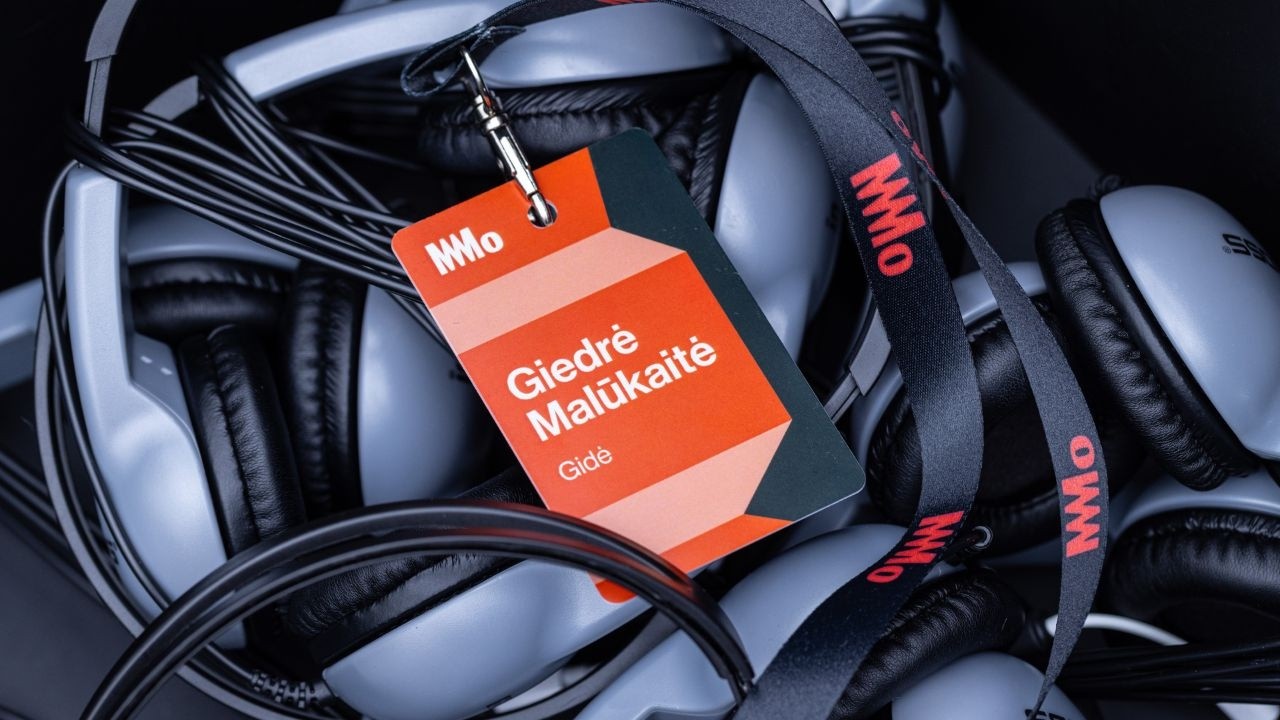
Sons & Daughters ID refreshed the Mo Museum brand identity in 2025. The project established a modular system of angled planes to unify communications while protecting the integrity of exhibited artworks and enabling non-specialist staff to generate consistent assets.
Creative Idea
Angular planes frame artwork, creating a flexible system managed by a custom generative tool.
Sons & Daughters ID created a modular design system using dynamic, angled planes that mirror the museum’s architecture. This flexible framework frames and amplifies artworks without distortion, allowing internal teams to generate consistent, professional assets through a custom automated tool.
Designing a System for Non-Designers
Mirroring the Libeskind Geometry
The visual identity was born from a desire to bridge the gap between the museum’s iconic, angular architecture designed by Daniel Libeskind and its existing, non-negotiable logo. Creative Director Adomas Jazdauskas and his team deconstructed the sharp M letterform, discovering that its triangular geometry could function as a modular language. By treating these shapes as "shifting" planes, the agency created a system that mimics the building’s physical structure, allowing the identity to feel like a natural extension of the museum space itself.
Democratizing Brand Consistency
A primary challenge was the fragmentation caused by multiple contributors creating content under tight deadlines. To solve this, Mindaugas Dudėnas developed a custom generative design tool. This software allows internal staff to input parameters and instantly generate brand-compliant layouts, patterns, and motion graphics. By shifting the burden of production away from specialist designers, the museum maintained high visual standards while significantly reducing internal production budgets and turnaround times.
Impact of the Identity Rollout
The new system debuted alongside the exhibition From Within on January 12, 2025. The impact was immediate, with visitor numbers jumping from 6,024 in December to 16,137 in January, representing a 168% month-over-month surge. The momentum continued into February, which saw a 31% year-over-year increase in attendance compared to 2024. This success solidified the identity as a functional, scalable framework that balances institutional authority with the flexibility required for a modern, high-traffic cultural hub.
4C Framework deconstruction
Company
Mo Museum possessed a distinct, angular architectural identity and a recognizable logo that served as the foundation for a new visual system.
Category
Cultural institutions often struggle with visual fragmentation when multiple contributors create communications under tight deadlines without a flexible, unified design system.
Customer
The museum needed a way to maintain institutional authority while ensuring that diverse artworks remained the primary focus of all communications.
Culture
The rise of generative design tools allowed for the democratization of high-quality brand output within non-specialist internal teams.
Company
Mo Museum possessed a distinct, angular architectural identity and a recognizable logo that served as the foundation for a new visual system.
Category
Cultural institutions often struggle with visual fragmentation when multiple contributors create communications under tight deadlines without a flexible, unified design system.
Strategy:
Empower internal teams with modular design tools to ensure brand consistency at scale.
Customer
The museum needed a way to maintain institutional authority while ensuring that diverse artworks remained the primary focus of all communications.
Culture
The rise of generative design tools allowed for the democratization of high-quality brand output within non-specialist internal teams.
Strategy:
Empower internal teams with modular design tools to ensure brand consistency at scale.
Strategy Technique
Build an Utility, Not an Ad
The agency developed a custom generative design tool for the museum staff. This utility solved the operational friction of maintaining brand consistency across diverse touchpoints without requiring specialist design intervention.
Explore Technique
Creative Technique
Use Art
The identity system centers on framing and amplifying featured artworks within dynamic, geometric planes. This approach ensures the art remains the hero while maintaining a cohesive, recognizable institutional aesthetic.
Explore Technique
Craft Breakdown
The brand refresh elevates museum identity design through a dynamic visual framework built around spatial shifts, flexible typography, and rich color system.
The comprehensive visual identity seamlessly adapts kinetic folding geometric structures across digital and physical mediums.
Clean structural typography grid systems dynamically scale and interact with 3D spatial planes.