Publicis Groupe & MSK - Working With Cancer
Publicis Groupe and MSK sought a campaign to redefine the cancer narrative, focusing on crucial workplace support. The client wanted to raise awareness that half of people face a diagnosis, emphasizing collective responsibility for colleagues. The challenge was to foster supportive work environments, driven by CEO Arthur Sadoun's personal experience. The campaign needed to launch during the Super Bowl and World Cancer Day.
Creative Idea
Publicis and MSK launched a Super Bowl campaign, urging workplaces to collectively support colleagues battling cancer.
Memorial Sloan Kettering Cancer Center (MSK) launched a campaign that highlights the importance of workplace support for cancer patients, challenging traditional narratives by showing how employers can help colleagues during cancer treatment. The campaign aims to create awareness that half of people will face a cancer diagnosis and emphasizes the collective responsibility to support cancer patients in their professional lives.
The CEO Who Turned His Diagnosis Into a Global Movement
A Coalition of Rivals
In an unprecedented move for the advertising industry, Publicis Groupe united its fiercest competitors - Omnicom, WPP, IPG, and Edelman - to support the pledge. This cross - industry alliance invited rival creatives to collaborate on a single brief, moving past agency politics to address a universal human crisis. The initiative has since scaled into a massive corporate ecosystem, growing from 600 initial companies to a projected 5,000 organizations by 2026, impacting the job security of over 40 million employees worldwide.
Authenticity Behind the Lens
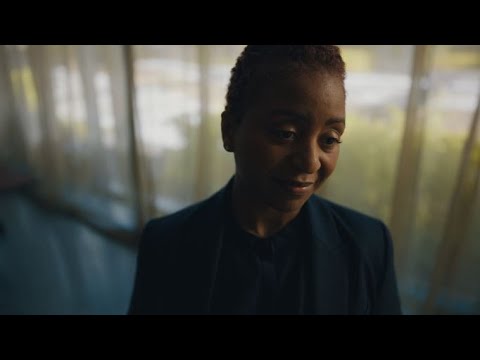
The production of the anchor film "Monday" was rooted in lived experience. Many crew members were themselves cancer survivors or caregivers, ensuring the nuanced depiction of a "first day back" felt authentic rather than dramatized. This commitment to realism continued in 2026 when Stage IV survivor and filmmaker Kailee McGee directed the global campaign film, while renowned portrait photographer Sandro Miller, also a Stage IV survivor, captured the campaign imagery. Even the initial announcement was raw; CEO Arthur Sadoun filmed his call to action just days after surgery, still wearing a medical neck bandage.
Media Power and AI Innovation
The campaign achieved a staggering $100 million in pro bono media value through partnerships with giants like Disney, Google, Meta, and TikTok. It also marked the first time a global holding company purchased a Super Bowl spot for a social cause rather than a consumer brand. Beyond film, the project integrated high - tech utility by launching an AI Coach, a private LLM designed to help managers navigate sensitive workplace conversations. The 2025 "Screening Time Off" phase further shifted the focus toward prevention, advocating for paid leave for checkups to potentially save 100,000 lives annually in the US alone.
Creative Strategy Deconstructed
Company
Publicis Groupe leveraged CEO Arthur Sadoun’s personal diagnosis and the agency’s massive media influence to unite global brands under a single, actionable pledge. MSK provided the institutional credibility to validate the necessity of workplace support for patient health.
Category
Cancer advocacy usually centers on research funding or family care, leaving the professional identity of patients as an unaddressed, high-anxiety blind spot. The category historically ignores the workplace as a site of recovery.
Customer
Professionals facing diagnosis feel a 'double burden': the fear for their life and the fear of losing their career, status, and financial security. They want to remain active and valued, not just pitied.
Culture
The post-pandemic era heightened expectations for corporate empathy and holistic employee well-being, yet serious chronic illness remained the last great workplace taboo that nobody knew how to navigate.
Company
Publicis Groupe leveraged CEO Arthur Sadoun’s personal diagnosis and the agency’s massive media influence to unite global brands under a single, actionable pledge. MSK provided the institutional credibility to validate the necessity of workplace support for patient health.
Category
Cancer advocacy usually centers on research funding or family care, leaving the professional identity of patients as an unaddressed, high-anxiety blind spot. The category historically ignores the workplace as a site of recovery.
Strategy:
Shift cancer advocacy from medical survival to professional security to transform the workplace into a vital recovery environment.
Customer
Professionals facing diagnosis feel a 'double burden': the fear for their life and the fear of losing their career, status, and financial security. They want to remain active and valued, not just pitied.
Culture
The post-pandemic era heightened expectations for corporate empathy and holistic employee well-being, yet serious chronic illness remained the last great workplace taboo that nobody knew how to navigate.
Strategy:
Shift cancer advocacy from medical survival to professional security to transform the workplace into a vital recovery environment.
Results
The campaign states that 390 companies have now joined the pledge. This means that 13,000,005 employees are now covered by policies that allow them to fight for their lives, not their jobs, during a cancer diagnosis. The campaign was launched at the World Economic Forum in Davos and garnered significant media attention, inspiring other major employers to follow.
390
companies joined the pledge
13,000,005
employees covered by job security
Strategy Technique
Reframe the Problem
The campaign reframes cancer from a solely personal health battle to a collective workplace responsibility. It shifts the narrative to emphasize employer and colleague support as crucial.
Explore Technique
Creative Technique
Dramatize the Problem
The campaign exposes the widespread, yet often unacknowledged, problem of insufficient workplace support for cancer patients. It dramatically highlights the collective responsibility to redefine this narrative.
Explore Technique
Craft Breakdown
The campaign's craft is exceptional in its foundational copywriting, creating a globally resonant pledge that transforms a deeply personal struggle into a collective corporate action, powerfully communicated through compelling narrative and visual authenticities.
The campaign effectively uses raw, emotive testimonies and clear, impactful messaging (e.g., 'fight for their lives, not their jobs') to articulate the problem, propose the solution, and galvanize support.
The honest and unfiltered visual capture of individual cancer patients' testimonials creates profound empathy and grounds the campaign's emotional appeal in authentic human experience.
“The magic of this campaign lies in the powerful synergy of a compelling, actionable idea delivered through authentic human stories, reinforced by strong messaging and a cohesive visual presentation that conveys both empathy and widespread impact.”