Renault - Plug Inn
Renault approached Publicis Conseil. The client wanted to solve France's critical EV charging infrastructure gap - 1 million electric cars versus only 80,000 stations. The challenge was to rapidly expand charging accessibility for EV owners, especially in remote areas, without building new public stations. Renault aimed to encourage EV adoption and reinforce its leadership in electric mobility.
Creative Idea
Renault created Plug Inn, an app for EV owners to rent home chargers, solving the lack of public charging infrastructure.
Renault created Plug Inn, a peer-to-peer app that allows electric car owners to rent home charging spots from other homeowners, solving the problem of limited charging infrastructure. The innovative platform acts like an Airbnb for electric vehicle charging, enabling drivers to find and book charging stations in areas where public charging is scarce, while giving homeowners a way to earn extra income.
Building Europe's Largest Charging Network Without Concrete
The Airbnb of Energy
To simplify the complex peer-to-peer technology for stakeholders, the internal brief used the shorthand "Airbnb for plugs." This strategic pivot transformed Renault from a car manufacturer into a service provider, addressing the fact that 54% of French drivers cited a lack of charging stations as their primary barrier to EV adoption. By unlocking private home chargers, Renault effectively "created" a massive infrastructure overnight without pouring a single slab of concrete.
From Appy to the World
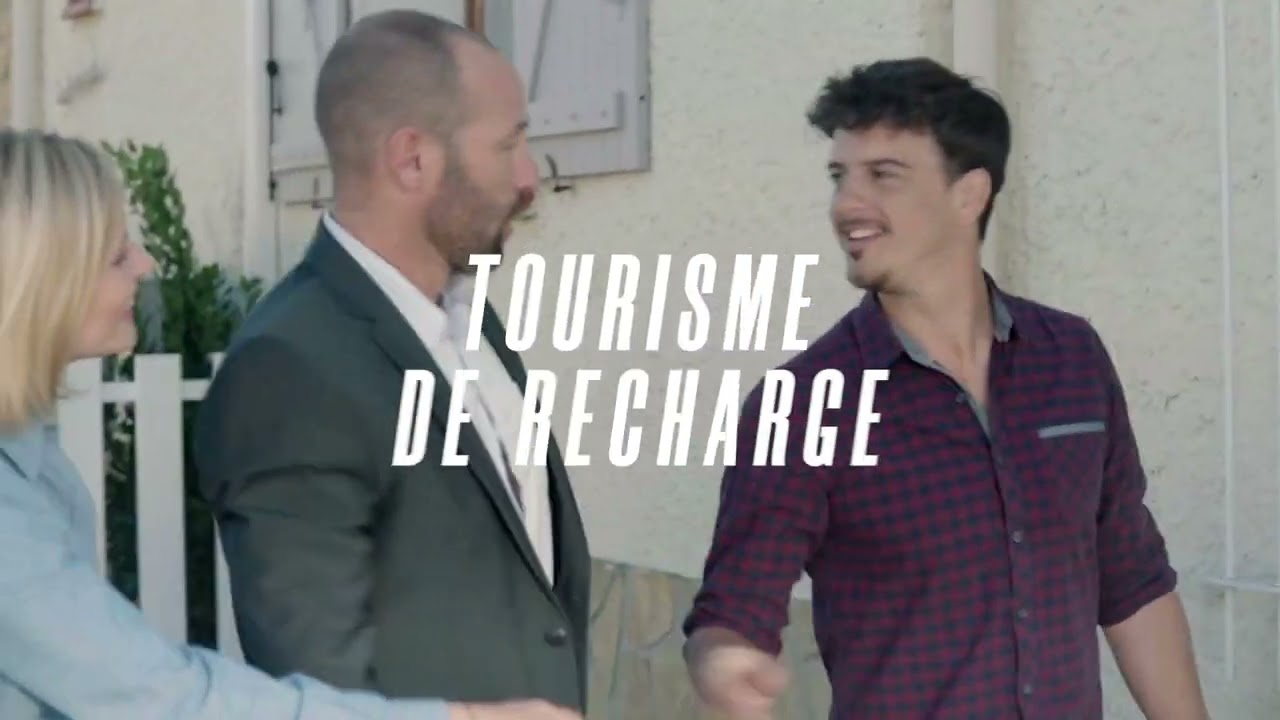 The campaign’s roots trace back to a 2020 pilot project called "Village Electrique," where Renault provided every household in the isolated village of Appy with a Renault Zoe. This experiment proved EVs could thrive in "mobility deserts," providing the proof of concept for Publicis Sapient to develop the Plug Inn app. To maintain an authentic community feel, the promotional films featured real-life charger owners like Matthew, Nades, and Be, filmed against the picturesque backdrop of remote French villages to contrast modern tech with traditional rural life.
Radical Generosity as Strategy
In a move that surprised the industry, Renault made the Plug Inn app open to all EV brands, not just Renault owners. This "open ecosystem" approach, led by Global CMO Arnaud Belloni and CCO Marco Venturelli, positioned the brand as a category leader rather than a closed-loop manufacturer. The impact was immediate: 16,000 users registered in the first two weeks, generating 107 million impressions and over €500,000 in earned media. By Q1 2023, Renault reported a 24% increase in electrified vehicle sales, proving that solving a collective logistical hurdle could directly drive brand trust and commercial growth.
Creative Strategy Deconstructed
Company
Renault leveraged its position as an EV pioneer and its existing customer base to facilitate a community-driven solution. By providing the digital platform, they could orchestrate a massive network without the capital expenditure of building physical stations.
Category
The industry typically relies on government-funded infrastructure or proprietary, high-cost public charging networks. This approach often neglects remote areas, creating 'charging deserts' that hinder the widespread adoption of electric mobility.
Customer
EV owners felt 'range anxiety,' a constant fear of being stranded in rural regions where public chargers are non-existent. They desired the freedom of traditional car travel but felt restricted by a fragmented and unreliable infrastructure.
Culture
The established trust in sharing economy models like Airbnb paved the way for peer-to-peer utility sharing. Culturally, there was a shift toward collective responsibility, where citizens felt empowered to solve environmental challenges together.
Company
Renault leveraged its position as an EV pioneer and its existing customer base to facilitate a community-driven solution. By providing the digital platform, they could orchestrate a massive network without the capital expenditure of building physical stations.
Category
The industry typically relies on government-funded infrastructure or proprietary, high-cost public charging networks. This approach often neglects remote areas, creating 'charging deserts' that hinder the widespread adoption of electric mobility.
Strategy:
Leverage the sharing economy to turn private chargers into a communal network, eliminating range anxiety through peer-to-peer infrastructure.
Customer
EV owners felt 'range anxiety,' a constant fear of being stranded in rural regions where public chargers are non-existent. They desired the freedom of traditional car travel but felt restricted by a fragmented and unreliable infrastructure.
Culture
The established trust in sharing economy models like Airbnb paved the way for peer-to-peer utility sharing. Culturally, there was a shift toward collective responsibility, where citizens felt empowered to solve environmental challenges together.
Strategy:
Leverage the sharing economy to turn private chargers into a communal network, eliminating range anxiety through peer-to-peer infrastructure.
Results
The campaign transformed a business problem into a new business model, creating the fastest-growing recharging network for all brands. It achieved: - 24,572 users initially, growing to 31,000 users. - 140 million impressions. - 700K€ in earned media. - Positive media coverage from outlets like El País, BFM Business, JDD, NewsAuto, Sud Ouest, and Ladepeche.fr, with comments like 'Great app answering a real need,' 'At last, an easy solution to charge everywhere you go,' 'Application that works very well, very convenient for long distance road trips and easy to use,' and 'Great idea!'.
31,000
users
140M
impressions
700K€
earned media
Strategy Technique
Build an Utility, Not an Ad
Renault developed the Plug Inn app as a direct, functional solution to the EV charging infrastructure gap. This strategy creates a valuable utility that addresses a real consumer pain point, not just an advertisement.
Explore Technique
Creative Technique
Analogy for the Solution
The campaign explains its innovative peer-to-peer charging app by comparing it to Airbnb. This analogy makes the new concept immediately understandable and relatable to a broad audience.
Explore Technique
Craft Breakdown
The campaign's craft is exceptional in its elegant solution to a critical infrastructure problem, leveraging a brilliant peer-to-peer digital idea to redefine electric vehicle charging.
The functional creation of the 'Plug Inn' app, its intuitive user experience, and the robust system for connecting users and processing transactions demonstrate outstanding digital product development.
The visual identity, user interface (UI), and overall aesthetic of the Plug Inn app are designed for clarity, ease of use, and trustworthiness, which are crucial for a successful peer-to-peer service.
“The campaign's success stems from the synergistic combination of breakthrough ideamaking addressing a real-world problem, meticulously executed through exceptional digital craft and thoughtful design, all communicated effectively by strong copywriting.”