2025TelstraConsumer Services & B2BVideo ad
Telstra: Scamageddon
Telstra needed to differentiate its mobile network by highlighting its superior security capabilities. Facing a rise in cybercrime, the brand wanted to move beyond size-based messaging to prove its effectiveness in blocking threats. The agency was tasked with communicating this safety to Australians without resorting to the typical, fear-based tropes common in the telecommunications industry.
Creative Idea
An alien villain fails to scam Australians because Telstra blocks his network attacks.
Telstra used a lighthearted, retro-futuristic narrative featuring an intergalactic villain to demonstrate how its network automatically blocks millions of cyber threats, shifting the focus from fear-based messaging to the brand's superior, proactive security capabilities.
Telstra Subverts Cyber Security Tropes with Retro Sci-Fi Comedy
Crafting a Retro-Futuristic Villain to Fight Cybercrime
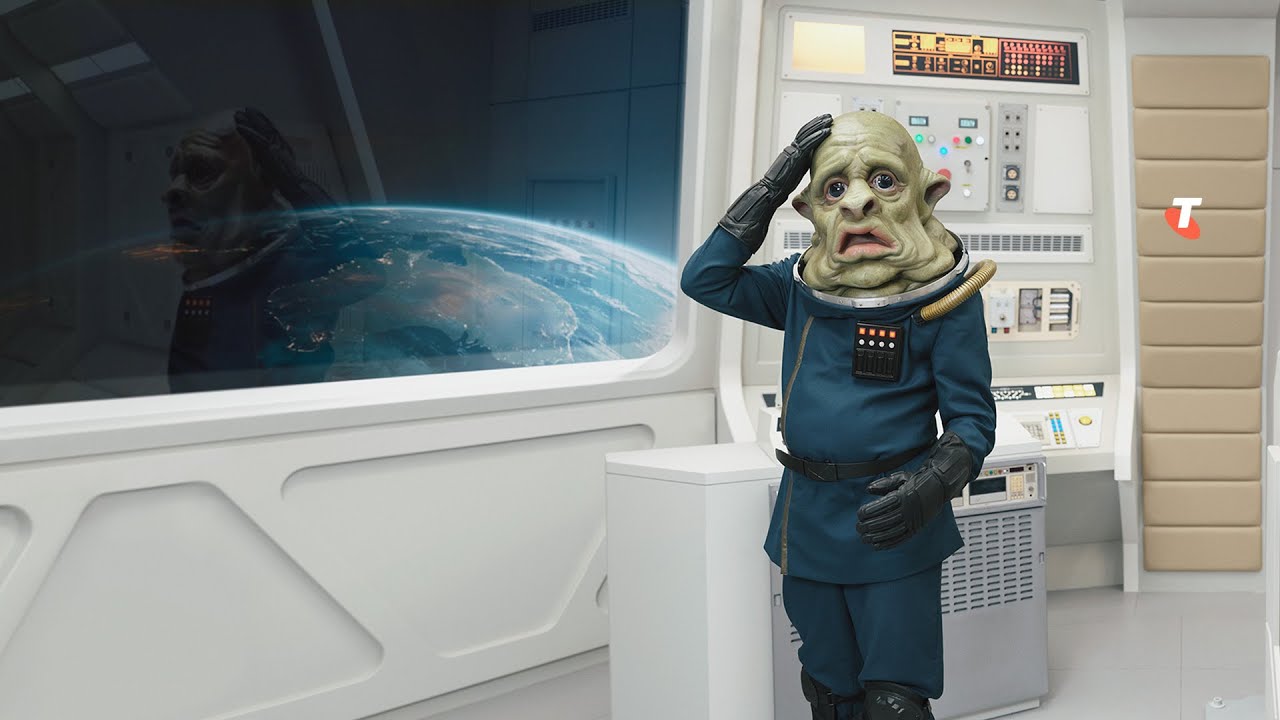
Cybersecurity advertising traditionally relies on fear tactics or protective animal metaphors. To stand out, Bear Meets Eagle On Fire and partner agency +61 took an unconventional path for Telstra, positioning the telecom network as an optimistic, hardworking behind-the-scenes shield. The team conceived an intergalactic villain dynamic inspired by comedies like *Austin Powers* and *Spaceballs* rather than dark spy thrillers, drawing visual inspiration from *Flash Gordon*, *Doctor Who*, and *Galaxy Quest*.
Directed by Randy Krallman of Smuggler and shot in Prague, the campaign stars Steve Buscemi as an evil emperor whose alien crew, the Zalunians, constantly fail to hack Australia due to Telstra's security. The production relied heavily on Hollywood-grade practical craft, featuring a sprawling white retro-futuristic spaceship set, detailed physical props, and practical prosthetics. Krallman workshopped the scripts with Buscemi, giving him room to adapt his dialogue to deliver absurd sci-fi speeches with corporate seriousness.
Industry Reception and Regulatory Challenges
The campaign launched across TV, cinema, digital, social, and retail channels, pairing long-form storytelling with short-form content. Industry creatives praised the execution, with peers calling it beautifully crafted absurd chaos, while public reaction spanned enthusiasm to confusion. In September 2026, a second chapter returned with Buscemi's character attempting another invasion, establishing him as a recurring antagonist.
However, the campaign faced regulatory pushback in November 2026. Ad Standards ruled that 15-second and 30-second edits showing aliens slapping each other breached sections 2.3 and 2.6 of the AANA Code of Ethics regarding unjustifiable violence, forcing their removal from TV and online platforms. Telstra acknowledged the ruling while maintaining the spots were intended as a lighthearted demonstration of blocking cyber threats.
Creative Perspectives
If we just did a security campaign that played into all the tropes of the category, we might get missed.
Make it memorable. Don't make it scary.
The watch out would be making fun of the victims or the consequences of cyber crime
Sometimes making light of a topic is the best way to get people to pay attention to it.
4 Points Strategy deconstruction
The framework isolates how Telstra converted invisible infrastructure into a tangible brand advantage by replacing category fearmongering with entertaining product demonstration.
Results
During the launch period, Telstra reported blocking an average of 21 million scam calls and 11 million scam SMS every month. Early campaign coverage generated placements in about 50 publications within four days. System1 testing revealed a 36% neutrality score with high spontaneous brand association, though third-party reporting noted no verified public evidence regarding long-term brand lift or commercial performance.
21M
Average monthly scam calls blocked
11M
Average monthly scam SMS blocked
50
Publications covering launch in 4 days
36%
Neutrality score in System1 testing
Strategy Technique
Create a Parallel World
By framing cyber criminals as bumbling aliens in a fictional flagship, the brand makes the serious threat of scams feel manageable and defeated by Telstra's superior network.
Explore Technique
Creative Technique
Create Fantasy Worlds, People and Things
The campaign builds a tactile, retro-futuristic alien world to make the invisible concept of cyber security tangible. This creative choice differentiates the brand from standard, fear-based industry advertising.
Explore Technique
Craft Breakdown
This film excels through Hollywood-grade production design, practical prosthetics, and sharp comedic acting that treat a absurd sci-fi premise with total seriousness.
The sprawling white retro-futuristic spaceship set and detailed physical props create an incredibly authentic cinematic universe.
The performances deliver flawless comedic timing, balancing over-the-top villain monologues with mundane workplace banter.
Meticulous character design, alien prosthetics, and costume styling give every character distinct personality and high visual flair.
Subverts classic sci-fi tropes by pairing epic speeches with relatable corporate frustration about network security.
“The combination of epic blockbuster visuals with mundane comedic dialogue creates the ultimate satirical contrast that makes the joke land.”
Questions about Telstra: Scamageddon
Who directed the Telstra Scamageddon campaign?
The campaign films were directed by Randy Krallman of the production company Smuggler.
Who stars in the Telstra scam campaign?
American actor Steve Buscemi stars as an evil intergalactic emperor trying to invade Australia through high-tech scams alongside his alien crew, the Zalunians.
Where was the Telstra Steve Buscemi ad filmed?
The initial Buscemi campaign was shot in Prague, using custom retro-futuristic spaceship sets and practical prosthetics.
Why were some of the Telstra Scamageddon ads banned?
In November 2026, Ad Standards ruled that the 15-second and 30-second ads showing aliens slapping each other breached Section 2.3 (unjustifiable violence) and Section 2.6 of the AANA Code of Ethics, leading to their removal from TV and digital platforms.
When did the Telstra Scamageddon campaign launch?
The original campaign launched on 11 August 2025, followed by a sequel chapter released on 28 September 2026.
Credits (8)
| Director | Randy Krallman |
|---|---|
| Chief Creative Officer | Micah Walker |
| Production Company | Smuggler |
| Lead Actor | Steve Buscemi |
| Production Designer | Jiri Matura |
| Director of Photography | Kaname Onoyama |
| Chief Marketing Officer (Launch) | Brent Smart |
| Media Agency | OMD Australia |
Sources (3)
- Beyond the Brief: Inside Bear Meets Eagle On Fire's sci-fi scam saga with Steve Buscemi for Telstra · campaignbrief.com
- Why Telstra put humour at the heart of its cybersecurity campaign · mediaweek.com.au
- Steve Buscemi fronts new Telstra campaign · mumbrella.com.au