2025OUI Inc.HealthcareCase video
OUI Inc.: Smart Eye Camera
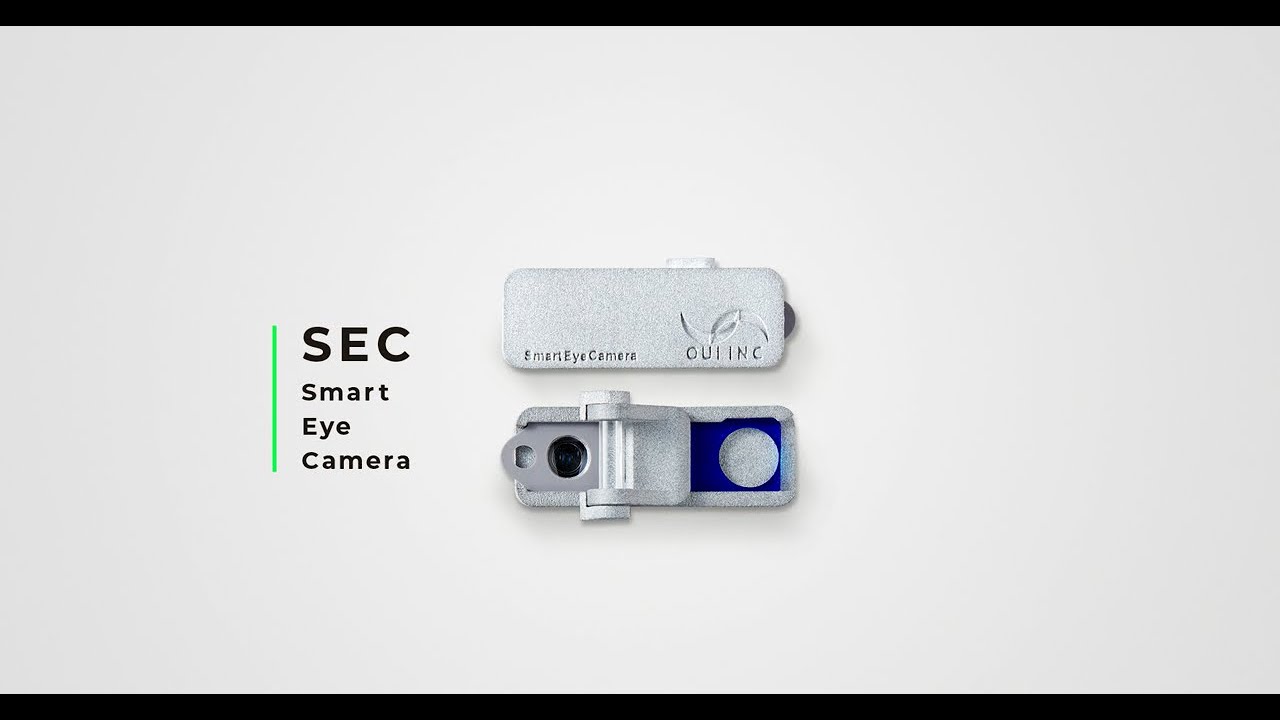
TBWA\HAKUHODO collaborated with medical startup OUI Inc. to create the introductory film and brand presentation for the Smart Eye Camera, a 3D-printable smartphone attachment designed to conduct slit-lamp eye examinations in remote settings.
Creative Idea
A 3D-printed attachment that transforms smartphones into portable clinical eye diagnostic tools.
TBWA\HAKUHODO designed an introductory film and global positioning for OUI Inc.'s Smart Eye Camera, a 3D-printed attachment that transforms a smartphone camera into a mobile, affordable slit-lamp microscope for medical diagnostics.
Turning Every Doctor into an Eye Specialist
Empowering Remote Diagnostics
The Smart Eye Camera was developed to address global blindness, over half of which stems from treatable conditions like cataracts. Traditional diagnostic tools - specifically slit-lamp microscopes - cost around $40,000, weigh heavily, and require specialized eye care facilities.
To bridge this gap, medical tech startup OUI Inc. (founded by ophthalmologists from Keio University School of Medicine) partnered with TBWA\HAKUHODO to commercialize and scale the 3D-printable attachment. The device converts a standard iPhone camera's LED light into a diagnostic slit beam, matching the diagnostic accuracy of traditional microscopes at 1/30th the cost.
Filming on Location in Nepal
 To showcase the product design to international bodies, the creative team shot introductory and case study films on location in remote areas, including rural Nepal in partnership with the BM Foundation. Because specialized ophthalmologists are rare in developing regions, the team created an intuitive, non-verbal instructional video tutorial system. This allowed general practitioners to operate the device without requiring language-specific training.
Dr. Eisuke Shimizu, Founder and CEO of OUI Inc., conceived the idea after visiting a rural clinic four hours outside Hanoi City that lacked basic ophthalmology equipment. Strategic positioning by TBWA\HAKUHODO aimed to support the shared mission of reducing global blindness by 50%.
Global Reach and Recognition
The physical design has facilitated over 170,000 eye examinations across 60+ countries and regions, including Nepal, Vietnam, Kenya, Tanzania, Indonesia, and Mozambique. Beyond human healthcare in low-resource settings, the low-cost design has seen adoption in remote home care and veterinary medicine. The World Health Organization officially recognized the technology by listing it in the *WHO Compendium of Innovative Health Technologies for Low-Resource Settings*.
4C Framework deconstruction
Company
OUI Inc. possessed ophthalmological expertise to design a portable, 3D-printed smartphone adapter serving as an eye diagnostic tool.
Category
Medical diagnostic equipment relies on expensive, bulky slit-lamp microscopes restricted to specialized clinical facilities.
Customer
Healthcare practitioners in remote regions needed an affordable, mobile way to diagnose preventable eye conditions without specialized hardware.
Culture
Growing global demand for accessible healthcare technology in low-resource settings made low-cost, portable hardware innovations essential.
Company
OUI Inc. possessed ophthalmological expertise to design a portable, 3D-printed smartphone adapter serving as an eye diagnostic tool.
Category
Medical diagnostic equipment relies on expensive, bulky slit-lamp microscopes restricted to specialized clinical facilities.
Strategy:
Transform smartphones into low-cost eye diagnostic tools to expand access to vision care globally.
Customer
Healthcare practitioners in remote regions needed an affordable, mobile way to diagnose preventable eye conditions without specialized hardware.
Culture
Growing global demand for accessible healthcare technology in low-resource settings made low-cost, portable hardware innovations essential.
Strategy:
Transform smartphones into low-cost eye diagnostic tools to expand access to vision care globally.
Results
The Smart Eye Camera reduced diagnostic hardware cost by 1/30th (from an average of $40,000 down to $1,400). The device has been introduced in over 60 countries and regions, enabling more than 100,000 eye exams to be conducted worldwide. It received high acclaim from international institutions including the World Health Organization (WHO), Forbes, and IDB, and earned accolades such as Healthcare Leader of the Year and numerous social innovation awards.
60+
countries and regions introduced
100,000+
eye exams conducted
1/30th
price reduction compared to standard equipment
Strategy Technique
Build an Utility, Not an Ad
Rather than producing traditional promotion, the design initiative focuses on a functional medical device that solves diagnostic infrastructure shortages in low-resource settings.
Explore Technique
Creative Technique
Invent a Complementary Product
The work highlights a 3D-printed hardware attachment created specifically to adapt an existing consumer smartphone into a clinical eye diagnostic tool.
Explore Technique
Craft Breakdown
The work excels in human-centered product design, converting complex optical physics into a portable, 3D-printed smartphone extension.
The 3D-printed attachment precisely shapes standard smartphone LED light into a focused diagnostic beam equivalent to specialized clinical microscopes.
Clear physical form and intuitive assembly allow non-specialist healthcare workers to operate the device without complex manual training.