2026Luma AIConsumer Services & B2BVideo ad
Luma AI: The Dream Brief
Luma AI tasked DE–YAN with driving platform adoption among professional creatives. The challenge was that creatives viewed AI tools as technical compromises rather than artistic assets. The client needed to move beyond standard tutorials to prove the platform's value. The goal was to incentivize hands-on engagement by enabling the production of previously unmakeable, high-concept scripts, ultimately positioning the brand as a partner in creative liberation.
Creative Idea
Creatives used AI to finally produce their rejected, high-budget dream scripts.
Luma AI invited creatives to resurrect their rejected, unproducible scripts using its generative platform, reframing technical onboarding as creative liberation. By offering a million-dollar prize for Gold Lion-winning work, they transformed tool adoption from an obligation into a high-stakes opportunity.
From Bottom Drawer to Cannes Stage
Bridging the Gap Between AI and Craft
While the visuals were generated using the Luma AI Dream Machine and Uni-1 engine, the agency intentionally avoided the "tech demo" aesthetic. To ensure the work met professional standards, DE–YAN subjected the AI outputs to a traditional, high-end post-production pipeline. This included editorial work by Mackenzie Cutler, color grading by Company 3, and sound design by Field Day. By utilizing professional Flame artists and real voiceover talent, the campaign proved that generative tools could function as a starting point for premium, agency-grade output rather than a replacement for human craft.
Engagement Through High Stakes
The campaign successfully converted creative frustration into platform adoption. Within just one week of launch, the initiative secured over 500 qualified sign-ups from agency leaders and freelancers. Over the course of 8 weeks, participants logged more than 10,000 hours inside the platform, resulting in nearly 400 complete video submissions. To ensure these projects met the rigorous entry requirements for the 2026 Cannes Lions, Luma AI sponsored 21 finalists and provided the necessary paid media support to ensure the spots legally aired.

A Jury of Industry Heavyweights
The submissions were evaluated by a high-profile jury designed to bridge the gap between traditional advertising and emerging technology. The panel included Susan Hoffman of Wieden+Kennedy, Bill Oakley of *The Simpsons*, and actor Isaiah Mustafa. This diverse group of judges reviewed concepts that were previously deemed "unproducible" due to budget constraints or client skepticism, such as the "Runner" spot featuring a figure running across water, or the "Space Piano" concept involving an astronaut in microgravity.
4C Framework deconstruction
Company
Luma AI provided a powerful generative video platform capable of turning complex, high-concept scripts into photorealistic visual content.
Category
Tech brands typically rely on dry tutorials and feature walkthroughs that feel like technical chores rather than creative opportunities.
Customer
Creatives felt frustrated by the 'bottom drawer' of ambitious ideas that were killed by budget constraints or client skepticism.
Culture
The industry was grappling with the rise of AI, fearing it would replace human creativity rather than empower it.
Company
Luma AI provided a powerful generative video platform capable of turning complex, high-concept scripts into photorealistic visual content.
Category
Tech brands typically rely on dry tutorials and feature walkthroughs that feel like technical chores rather than creative opportunities.
Strategy:
Empower users to solve their own professional frustrations through the brand's core functional capability.
Customer
Creatives felt frustrated by the 'bottom drawer' of ambitious ideas that were killed by budget constraints or client skepticism.
Culture
The industry was grappling with the rise of AI, fearing it would replace human creativity rather than empower it.
Strategy:
Empower users to solve their own professional frustrations through the brand's core functional capability.
Strategy Technique
Build an Utility, Not an Ad
The campaign functioned as a creative sandbox that solved the industry's frustration with unproduced work. It provided a functional platform for creative expression rather than just promoting product features.
Explore Technique
Creative Technique
Challenge your target group
The campaign directly challenged advertising professionals to use the AI platform to produce their previously unmakeable ideas. It turned the target audience into active participants by tasking them with a specific, high-stakes creative goal.
Explore Technique
Craft Breakdown
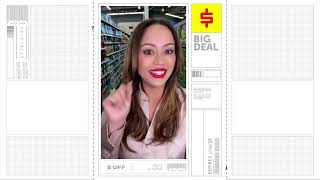
The ad showcases cutting-edge AI generative video technology by bringing an intentionally 'controversial' creative trope to photorealistic life. Its seamless handling of difficult rendering challenges—like character consistency and complex fluid mechanics—demonstrates the power of the platform.
Generates stunningly realistic video with hyper-complex physics including liquid splash dynamics and human anatomy in motion.
Uses a witty, meta premise about unmade controversial ad ideas to launch a creator contest with a high-stakes hook.