2025Us WeeklyMedia & EntertainmentCase video
Us Weekly: The Missing Issue
Us Weekly and Havas New York sought to address the harmful stigma surrounding substance use in celebrity reporting. The client needed to pivot from sensationalist coverage to a more responsible, health-focused narrative. The goal was to educate the public on the connection between substance use and co-occurring mental health conditions, ultimately shifting industry standards for how these sensitive topics are reported.
Creative Idea
The magazine republished its own past headlines to reveal the mental health stories missed.
Us Weekly partnered with the harris project to republish past celebrity overdose stories, rewriting sensationalist headlines to highlight the underlying co-occurring mental health conditions that were originally ignored, effectively shifting the media narrative on substance use and mental health.
Us Weekly: Re-engineering Tabloid History for Mental Health
Reframing Decades of Tabloid Coverage
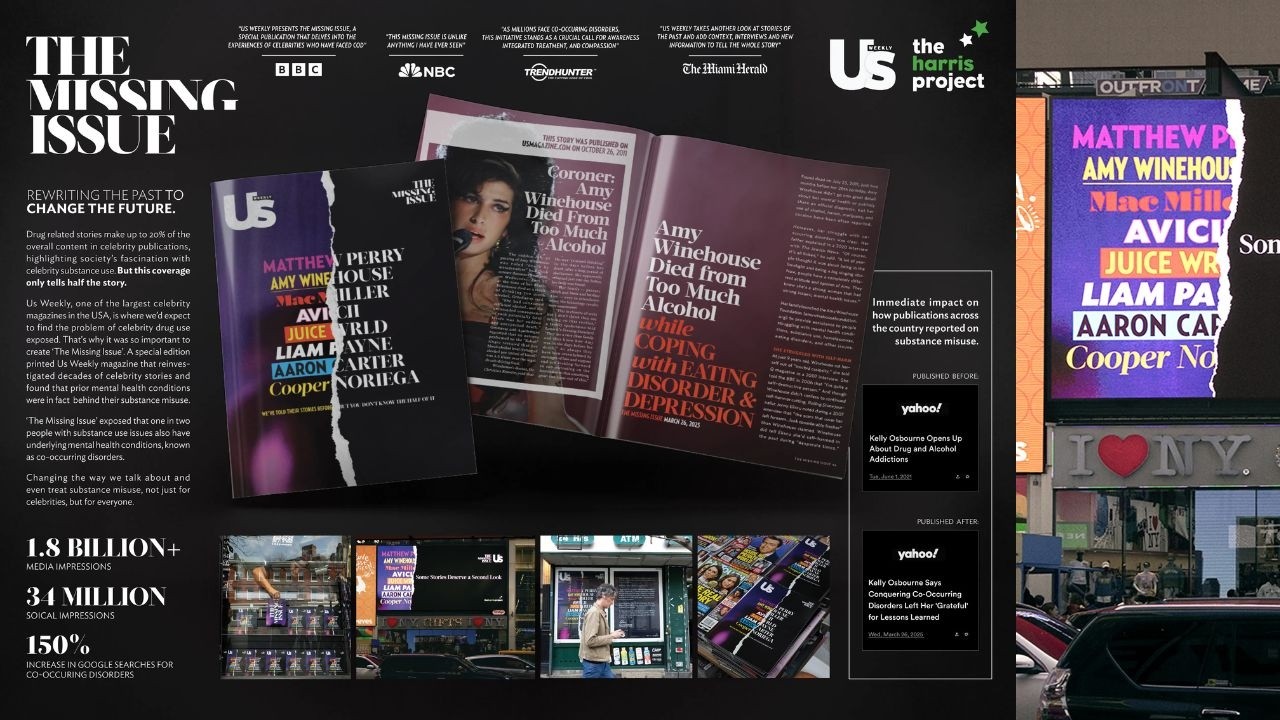
Facing industry decline, Us Weekly sought to transition from a low-credibility celebrity gossip magazine into a trusted journalism leader. Archive research conducted by the project team uncovered hundreds of past Us Weekly celebrity drug-use stories that completely failed to make the connection to mental health. Insight for the effort cited research showing that one in two individuals dealing with substance use issues also experience co-occurring mental health conditions such as depression, anxiety, or ADHD.
To address this historical gap, Us Weekly partnered with the harris project - a nonprofit founded by Stephanie Marquesano following the death of her 19-year-old son Harris from an accidental overdose due to co-occurring disorders. Together, they launched a special edition magazine called The Missing Issue in March 2025.
Editorial Design as Industry Advocacy
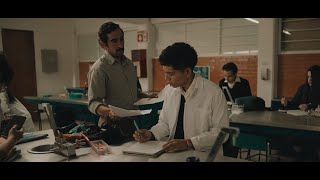
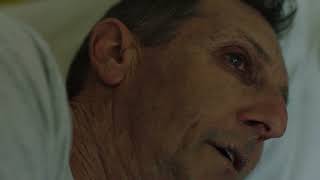
The physical print issue displayed original Us Weekly sensationalized stories on the left pages paired with updated, thoroughly researched versions on the right, written in collaboration with the harris project and a team of journalists. The editorial strategy re-engineered sensationalized headlines into poignant statements about co-occurring disorders, serving as an explicit correction to past coverage.
Visually, the campaign spliced iconic magazine editorial typography with high-contrast colored overlays, transforming tabloid visual language into mental health advocacy. The publication was distributed nationwide through Us Weekly's website and select magazine retailers, supported by out-of-home ads, social media content, and a PR teaser film directing audiences to updated digital articles.
4 Points Strategy deconstruction
This framework highlights how Us Weekly transformed tabloid exploitation into industry leadership by strategically confronting its own historical editorial bias.
Results
The Missing Issue generated over 1.8 billion media impressions and earned coverage across more than 220 unique publications, including the BBC, NBC News, Yahoo, MSN, and The Miami Herald. Self-reported agency figures indicate the campaign reached Us Weekly's 40 million monthly readers and generated over 2 billion total impressions, prompting major outlets to alter their reporting standards on substance use starting the day after launch.
1.8B+
Media impressions generated
220+
Unique publications covering the launch
40M
Monthly Us Weekly readers reached
Strategy Technique
Find the Missing Conversation
The campaign identified that celebrity media ignored the mental health link to substance use. By claiming this conversation, the brand transformed from a source of stigma into an advocate for systemic change.
Explore Technique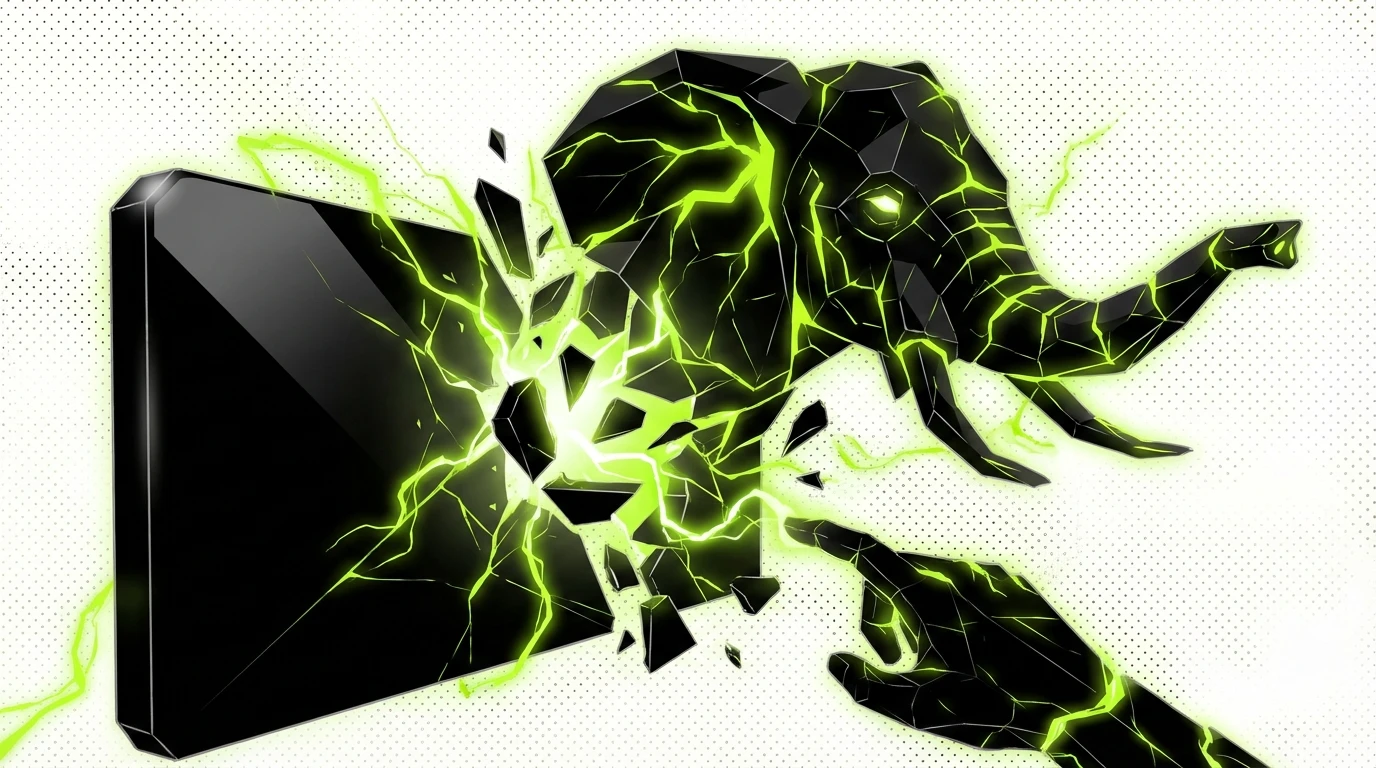
Creative Technique
Retell a Known Story
The campaign revisits past sensationalized celebrity journalism to provide missing context. By re-examining these known stories, it exposes the historical failure to address co-occurring mental health conditions.
Explore Technique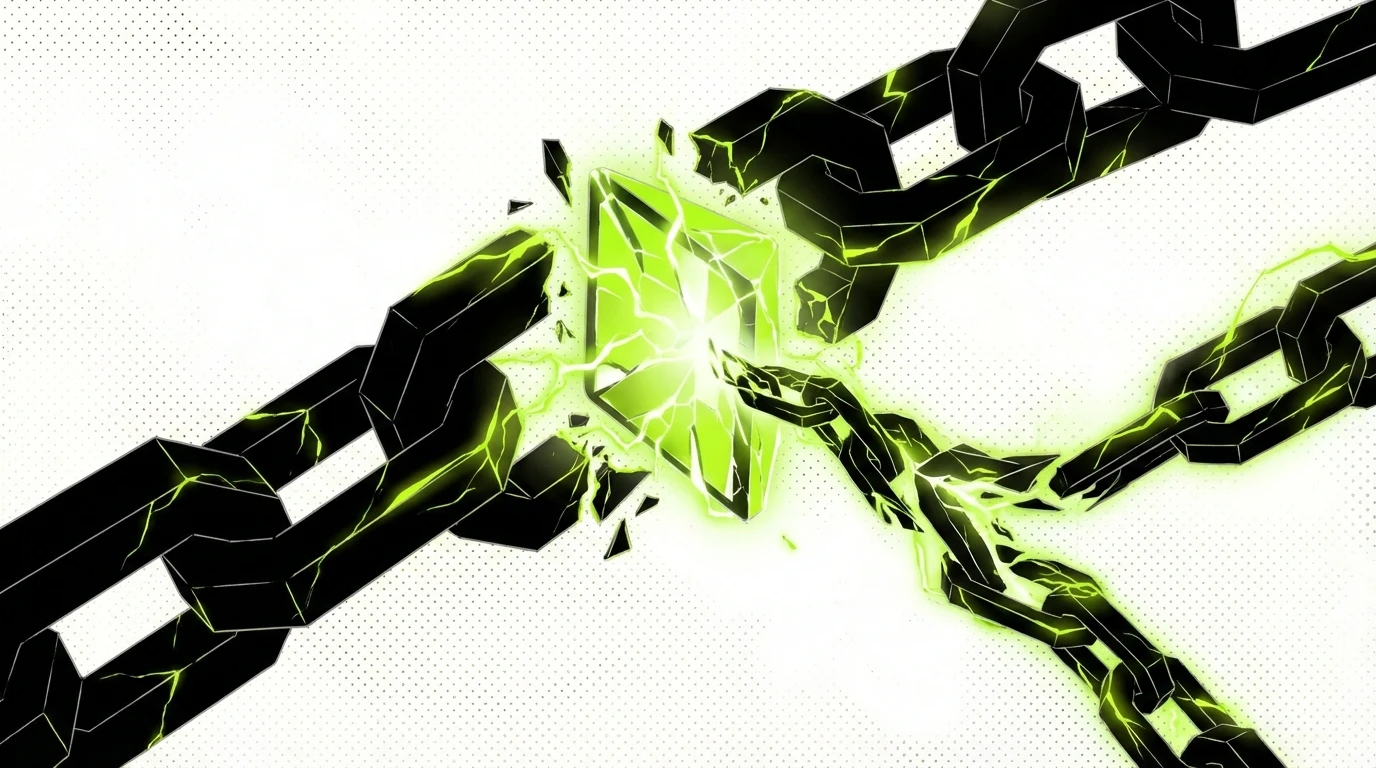
Craft Breakdown
The campaign excels through powerful Copywriting and striking Typography, re-engineering decades of tabloid history to challenge systemic media bias surrounding mental health.
Rewriting famous sensationalized headlines into poignant statements about co-occurring mental health disorders provides a profound conceptual and editorial correction.
Using iconic magazine editorial fonts spliced with high-contrast colored overlays physically transforms tabloid visual language into mental health advocacy.
“The synergy between editorial copywriting and graphic typography transforms past tabloid journalism into a permanent catalyst for media industry reform.”
Questions about Us Weekly: The Missing Issue
Who created 'The Missing Issue' campaign?
The campaign was created by agency Havas New York, with Havas Formula New York handling PR and marketing, for clients Us Weekly and the harris project.
When was 'The Missing Issue' launched?
The special edition magazine was released in March 2025.
What media impressions did the campaign achieve?
The campaign generated over 1.8 billion media impressions according to press metrics, with agency self-reported figures placing total reach at over 2 billion impressions.
Did the campaign win any major advertising awards?
Yes, it won a Merit at The One Show 2026 in the Print & Promotional category (Magazine / Single) and was nominated at the 2026 Webby Awards in Integrated Campaign.
Credits (8)
| Chief Creative Officers | Dan Lucey, Jarrod Walpert |
|---|---|
| Executive Creative Director | Joao Medeiros |
| Creative Directors | Lindsey Rock, Peter Nashel |
| Group Creative Directors | Vidhi Shah, Tyronne Schaffer |
| Writer | David Walters |
| Chief Strategy Officer | Justine Feron |
| Editor-in-Chief, Us Weekly | Dan Wakeford |
| Founder & President, the harris project | Stephanie Marquesano |
Sources (3)
- The One Show - The Missing Issue (Us Weekly x the harris project) · oneclub.org
- 2026 Webby Awards - The Missing Issue · winners.webbyawards.com
- 88. US Weekly - The Missing Issue - Co-Occurring Disorders · addiction2recovery.buzzsprout.com