2025New York City BalletMedia & EntertainmentVideo ad
New York City Ballet: We Exist in Time
Director Thibaut Grevet and production company DIVISION made this season film for the New York City Ballet. The film serves as the visual identity for the company's 2025-26 season, exploring movement and time.
Creative Idea
In-camera stroboscopic photography deconstructs New York City Ballet dancers in motion across time.
Director Thibaut Grevet translated George Balanchine's philosophy of continuous time into a raw dance film, capturing New York City Ballet dancers through in-camera stroboscopic multi-flash cinematography to deconstruct high-speed choreography into architectural, sculptural motion.
Strobe Photography Meets Balanchine Philosophy
Practical Strobe Photography in Place of CGI
Director Thibaut Grevet collaborated with Director of Photography Joao De Botelho to capture the physical force of the New York City Ballet Company dancers without relying on post-production digital effects. Shot against stark, dark backdrops, the production relied on in-camera stroboscopic multi-flash photography and overlayed motion frames. This technique structured the choreography into distinct visual phases - moving rhythmically from preparation and practice via timed stop-motion into fluid execution.
A Convergence of Physicality and Composition
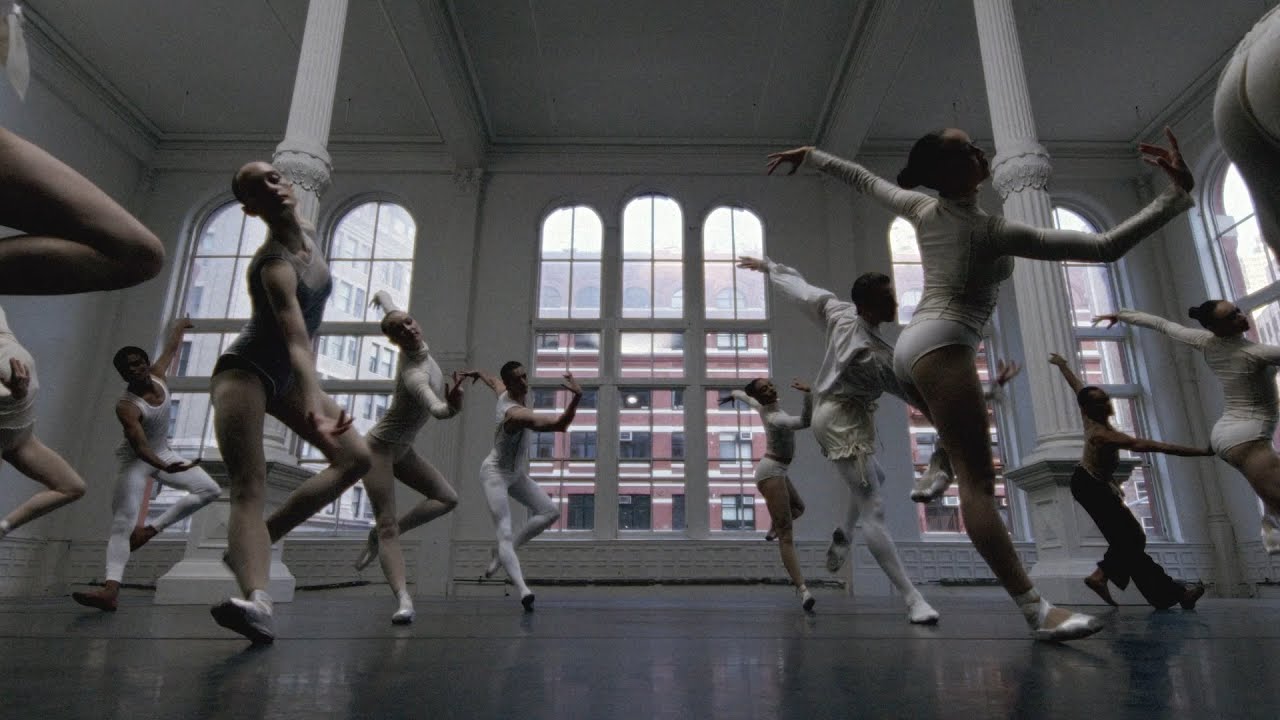 For Grevet, a French director and photographer based in Paris, the project marked his first time working directly with ballet dancers. He noted that the call from the ballet arrived at a pivotal moment in his career, describing the film as a natural marriage between his artistic past and present where raw athleticism meets controlled composition. The project's creative direction drew directly from a quote by NYCB co-founder George Balanchine: *"I don't have a past. I have a continuous present. The past is a part of the present, just as the future is. We exist in time."*
Lincoln Center Exhibition and Monograph Book
Beyond digital, social, cinema, and print distribution, the visual project was integrated directly into the NYCB Art Series, which transforms the David H. Koch Theater at Lincoln Center into a public exhibition space. The imagery also formed the core of Grevet’s fine-art photo book, *Ballet*, published in a limited run of 1,000 copies, accompanied by international gallery showcases at locations such as Dover Street Market Paris. Production was handled by DIVISION, with sound design by Milan-based studio Hidden Mountain and color finishing by Ethos Studio colorist Dante Pasquinelli.
4C Framework deconstruction
Company
New York City Ballet provided elite dancers and rich heritage rooted in George Balanchine's revolutionary choreography.
Category
Performing arts films often rely on simple stage recordings or overly polished stage lighting.
Customer
Viewers appreciate high-craft artistic filmmaking that treats dance as powerful physical human movement.
Culture
Contemporary culture increasingly values high-fashion minimalism and raw, physical artistic expression over heavy digital manipulation.
Company
New York City Ballet provided elite dancers and rich heritage rooted in George Balanchine's revolutionary choreography.
Category
Performing arts films often rely on simple stage recordings or overly polished stage lighting.
Strategy:
Deconstruct classical ballet movement using raw stroboscopic cinematography to explore Balanchine's concept of continuous time.
Customer
Viewers appreciate high-craft artistic filmmaking that treats dance as powerful physical human movement.
Culture
Contemporary culture increasingly values high-fashion minimalism and raw, physical artistic expression over heavy digital manipulation.
Strategy:
Deconstruct classical ballet movement using raw stroboscopic cinematography to explore Balanchine's concept of continuous time.
Strategy Technique
Find the Cultural Truth
By anchoring the visual piece in George Balanchine's famous quote about existing in continuous time, the film connects historical dance heritage directly with modern visual culture.
Explore Technique
Creative Technique
Use Art
The film transforms ballet into a fine-art kinetic study by using in-camera stroboscopic photography rather than digital post-production. This physical lighting approach exposes the raw athleticism and time-based nature of dance choreography.
Explore Technique
Craft Breakdown
Thibaut Grevet uses in-camera multi-flash techniques and stark monochrome framing to render ballet's intense athletic physical forces into kinetic fine art.
In-camera stroboscopic multi-flash exposures capture physical motion trails and explosive athleticism without relying on digital post-production effects.
Minimalist dark backdrops and stark lighting compositions transform classic dance choreography into dynamic, sculptural form studies.
Rhythmic breathing and floor impact sounds create an intimate, tactile audio atmosphere alongside driving accordion music.
High-contrast directional lighting highlights muscle tension, precise form, and dynamic silhouette movement.
“Stroboscopic cinematography combined with raw acoustic sound design turns elite dance performance into a tactile visual sculpture.”