Zamzee: The Game That Gets Kids Moving
Zamzee sought a creative strategy to tackle pervasive childhood sedentary behavior. The brand needed to motivate children to increase their physical activity, transforming exercise from a chore into an engaging, fun experience. The challenge was to create an interactive platform that would significantly boost kids' movement, making it sustainable and appealing. They wanted an evidence-based approach to gamify physical activity, driving measurable, positive health outcomes for children.
Creative Idea
Zamzee created a game where kids earned rewards by moving.
Zamzee created a gamified physical activity program for kids, transforming exercise into a fun, interactive experience with meters, challenges, and rewards to combat childhood sedentary behavior. By turning movement into a game with avatars, peer connections, and measurable progress, Zamzee successfully increased children's physical activity by 59% through an evidence-based, engaging digital platform.
Turning One Extra Marathon Into Child's Play
The Secret Sauce of Pointz
To bridge the gap between sedentary behavior and active play, Big Tomorrow and Daylight Design engineered a "dataveillance for good" ecosystem. The hardware was a durable, three-axis accelerometer roughly the size of a USB drive that clipped onto a shoe. While the device tracked movement, the digital platform powered by Bunchball’s Nitro engine provided the motivation. Content Manager Nina Gannes famously described the meter as the "bread" and the website as the "secret sauce" that made moving fun. Kids didn't just walk; they completed "narrative quests" where real-world physical tasks, like running up stairs 15 times, allowed them to cast spells or launch rockets in a virtual world.
Moving the Needle for Let's Move
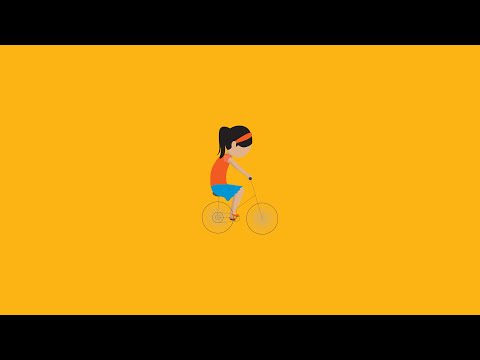 The campaign gained massive cultural traction as a founding partner of the President’s Challenge Program, with First Lady Michelle Obama serving as the most prominent face of the initiative. This high-level endorsement helped the platform reach over 20,000 active users. The results were backed by rigorous clinical trials rather than standard media metrics, proving that users saw a 59% average increase in moderate-to-vigorous physical activity. For obese children, the 27% increase in activity was equivalent to running one extra marathon per month.
From Ruckus to Rewards
The product's origins trace back to Ruckus Nation, a global idea competition held by HopeLab founder Pam Omidyar. The resulting "Pointz" economy allowed children to trade their activity for tangible rewards, including Amazon gift cards and toys. A child could typically earn a $5 gift card through two weeks of consistent movement. This strategy successfully converted extrinsic rewards into intrinsic health habits, sustaining engagement for over six months and overcoming the typical "novelty effect" of wearable technology.
Creative Strategy Deconstructed
Company
Backed by HopeLab's behavioral science research, Zamzee provided a wearable 'meter' and digital platform that turned movement into data. They offered a scientifically validated way to track and reward physical activity through an interactive online world.
Category
The category typically treats childhood exercise as a clinical necessity or a chore, relying on 'scare tactics' about obesity. Most programs fail to compete with the high-engagement loops of modern video games and digital entertainment.
Customer
Kids don't want to 'exercise' for long-term health; they want immediate fun, social status, and a sense of achievement. They feel a natural pull toward digital rewards and peer competition that traditional outdoor play often lacks.
Culture
The rise of the 'Quantified Self' and the ubiquity of gamification transformed how we view productivity and health. Society was desperate for a way to use screen-based mechanics to solve the sedentary crisis screens created.
Company
Backed by HopeLab's behavioral science research, Zamzee provided a wearable 'meter' and digital platform that turned movement into data. They offered a scientifically validated way to track and reward physical activity through an interactive online world.
Category
The category typically treats childhood exercise as a clinical necessity or a chore, relying on 'scare tactics' about obesity. Most programs fail to compete with the high-engagement loops of modern video games and digital entertainment.
Strategy:
Use game-design mechanics to transform physical activity from a health chore into a rewarding, high-stakes digital adventure.
Customer
Kids don't want to 'exercise' for long-term health; they want immediate fun, social status, and a sense of achievement. They feel a natural pull toward digital rewards and peer competition that traditional outdoor play often lacks.
Culture
The rise of the 'Quantified Self' and the ubiquity of gamification transformed how we view productivity and health. Society was desperate for a way to use screen-based mechanics to solve the sedentary crisis screens created.
Strategy:
Use game-design mechanics to transform physical activity from a health chore into a rewarding, high-stakes digital adventure.
Strategy Technique
Build an Utility, Not an Ad
Zamzee created an interactive, gamified platform that directly solved childhood sedentary behavior. The program itself was the solution, transforming exercise into an engaging utility for kids.
Explore Technique
Creative Technique
Gamification
Zamzee transformed physical activity into an engaging game with points, challenges, and rewards. This exploited children's natural desire for play and achievement, significantly boosting their movement.
Explore Technique
Craft Breakdown
This campaign's craft is exceptional in its Animation and Art Direction, effectively simplifying complex health data and a behavior change program into an engaging and accessible visual narrative. The clear, concise Copywriting further enhances its impact.
The 2D animation is clean, fluid, and highly effective at visualizing abstract concepts like data trends, behavior change mechanics, and user interface interactions in an engaging, easy-to-understand manner for its target audience.
The visual style uses a bright, inviting color palette and simple, relatable character designs and icons, creating a friendly and approachable aesthetic that makes the potentially dry topic of health statistics and program features appealing.
The voiceover script is remarkably clear and concise, distilling complex information and scientific concepts into easily digestible language, while effectively building a problem-solution narrative that is both informative and persuasive.
The editing maintains a smooth and logical flow, with well-timed transitions and visual reveals that keep the viewer engaged and ensure the narrative progresses clearly from problem identification to solution presentation and call to action.
“The combination of clear animation, vibrant art direction, and concise copywriting works synergistically to create a highly effective explainer video that makes a complex health initiative engaging and understandable.”