2026Eli LillyHealthcareVideo ad
Eli Lilly: My Focus
Eli Lilly tasked Wieden+Kennedy with developing a campaign to address the pervasive stigma surrounding obesity. The objective was to shift public discourse from aesthetic judgment to personal health, targeting a broad audience. The client sought to establish the brand as a compassionate leader in the health space without relying on product-specific claims, ultimately aiming to foster a more empathetic cultural conversation.
Creative Idea
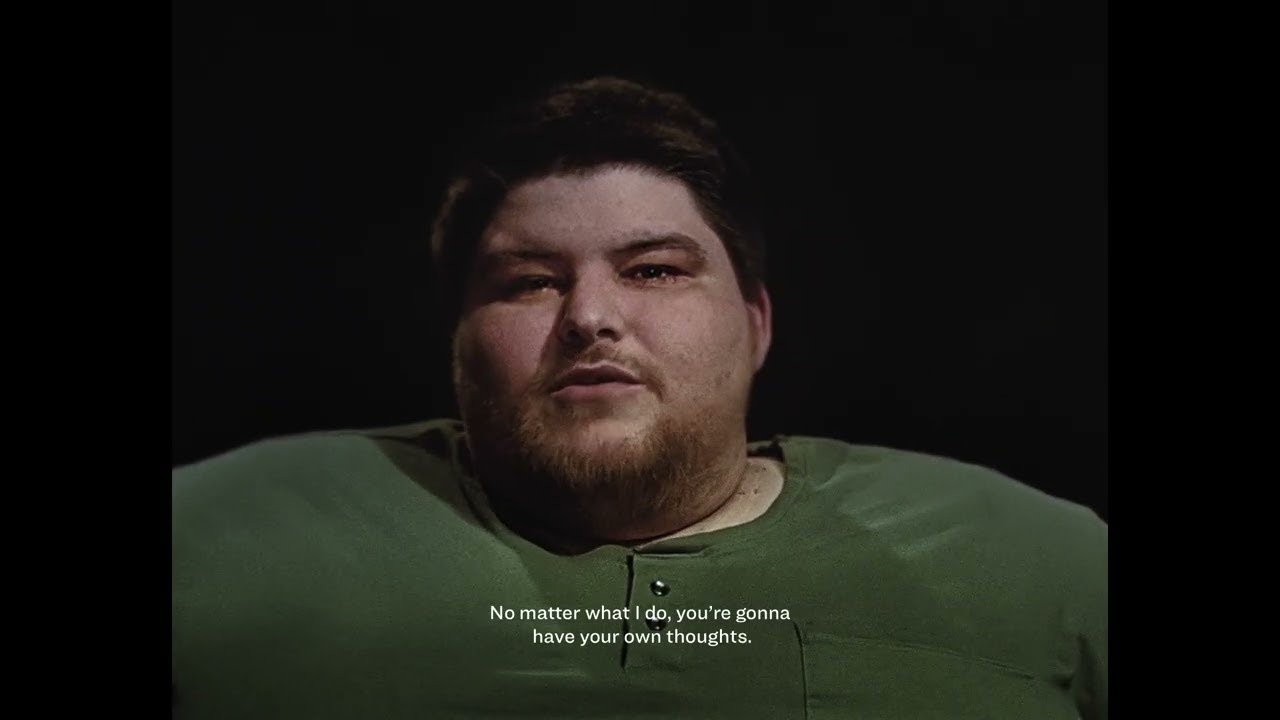
A direct monologue silenced societal critics to reclaim personal health as a private matter.
Eli Lilly challenged the societal stigma surrounding obesity by shifting the narrative from weight-based appearance to personal health. By centering the conversation on lived experience, the campaign empowered individuals to reclaim their health journey from unsolicited public judgment.
A Silent Monologue Against The Comment Section
Casting For A Single Face
The production team prioritized raw authenticity over star power, leading to an unusually rigorous casting process. To find the right protagonist for the 60-second monologue, the agency utilized three separate casting companies. The final choice was an unnamed, uncredited everyday actor whose performance was captured in a tight, minimalist frame. Director Daniel Wolfe opted for this intimate, singular focus to force direct eye contact with the viewer, intentionally stripping away the multi-scene storylines typically found in pharmaceutical advertising.
Strategic Silence On Medication
Despite Eli Lilly’s position as a leader in the GLP-1 market, the campaign is notable for its complete lack of product mentions. By omitting any reference to Mounjaro or Zepbound, the brand positioned the film as an unbranded disease awareness effort. This approach allowed the agency to focus entirely on the cultural friction surrounding obesity. The film launched in January 2026, directly coinciding with Hollywood’s awards season—a period often marked by public discourse regarding the cosmetic use of weight-loss medications. By centering the narrative on personal health rather than aesthetics, the brand aimed to pivot the conversation away from the "comment section culture" that often fuels online weight stigma.
A Polarizing Media Footprint
The campaign’s high-profile media strategy included placements during major live events like the Rose Bowl and the College Football National Championship. This visibility triggered a sharp divide in public response. While healthcare advocates lauded the film for destigmatizing chronic disease, it faced criticism from outlets like OutKick, which argued the messaging blurred the lines between health and obesity. This project serves as a continuation of Eli Lilly’s ongoing unbranded strategy, following previous efforts like Big Night and Shame.
4C Framework deconstruction
Company
As a leader in GLP-1 research, the company possessed the authority to reframe obesity as a serious, manageable health condition.
Category
Pharmaceutical brands typically focus on clinical efficacy or product benefits rather than addressing the emotional toll of societal stigma.
Customer
People living with obesity felt exhausted by constant unsolicited advice and wanted their health struggles to be treated with respect.
Culture
The rise of 'comment section culture' and intense public scrutiny of weight-loss medications created a need for a more humanized dialogue.
Company
As a leader in GLP-1 research, the company possessed the authority to reframe obesity as a serious, manageable health condition.
Category
Pharmaceutical brands typically focus on clinical efficacy or product benefits rather than addressing the emotional toll of societal stigma.
Strategy:
Reframe chronic health conditions by centering patient dignity over public opinion to build brand trust.
Customer
People living with obesity felt exhausted by constant unsolicited advice and wanted their health struggles to be treated with respect.
Culture
The rise of 'comment section culture' and intense public scrutiny of weight-loss medications created a need for a more humanized dialogue.
Strategy:
Reframe chronic health conditions by centering patient dignity over public opinion to build brand trust.
Strategy Technique
Find the Missing Conversation
The brand identified that while everyone discusses obesity, they avoid addressing the toxic impact of public stigma. By claiming this uncomfortable space, Eli Lilly positions itself as a champion of patient dignity.
Explore Technique
Creative Technique
Empathize
The campaign uses a raw, direct-to-camera monologue to build deep emotional intimacy with the audience. By forcing eye contact, it validates the subject's personal struggle against societal judgment.
Explore Technique
Craft Breakdown
This spot excels through uncompromisingly sharp copywriting and intimate acting, confronting weight stigma with stark honesty and emotional dignity.
The monologue directly calls out internet comment culture and unsolicited body advice with precise, empowering phrasing.
The subtle nuance, micro-expressions, and steady vocal delivery capture vulnerable confidence without over-dramatization.
“The raw authenticity of the performance amplifies the directness of the script, framed cleanly by minimalistic visual composition.”