Snickers: Hungerithm
Snickers, collaborating with Clemenger BBDO Melbourne, wanted to significantly boost sales and engagement by innovatively connecting with consumers. The brand needed to leverage real-time cultural sentiment - specifically online anger - to drive impulse purchases. The challenge was to dynamically link internet mood to product pricing, making Snickers relevant and appealing to a broad audience experiencing "hanger" in 7-Eleven stores, ultimately increasing sales.
Creative Idea
Snickers dynamically dropped prices based on real-time internet anger, proving online rage is hunger.
Snickers created the "Hungerithm" in Australia, where the price of Snickers dynamically dropped in 7-Eleven stores based on real-time internet anger levels. By linking social media sentiment to product pricing, Snickers turned online emotions into a unique marketing strategy that drove significant sales and engagement.
Turning Online Outrage Into Real World Discounts
A 3,000 Word Lexicon of Hanger
To bridge the gap between digital sentiment and physical retail, Clemenger BBDO Melbourne collaborated with MIT and Google to build a custom sentiment analysis engine. This "Hungerithm" monitored 14,000 social posts a day against a library of over 3,000 words and phrases. The technology was specifically tuned to decode Aussie slang and sarcasm, ensuring the algorithm could distinguish between genuine vitriol and cultural irony. This data updated the price of a Snickers bar 144 times a day - over 5,000 total price changes during the five - week pilot - with discounts reaching as high as 82%.
From Brexit to Game of Thrones
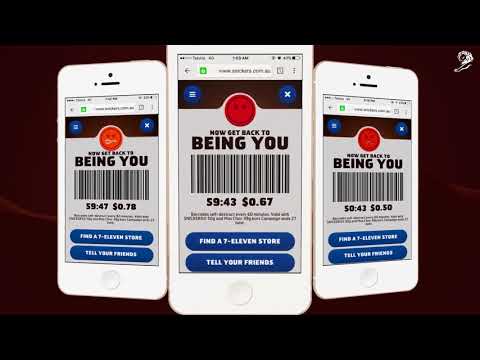 The campaign gamified "outrage culture" by linking price drops to specific real - world triggers. Whether the internet was reeling from Donald Trump’s election updates, Brexit developments, or Game of Thrones spoilers, the site displayed a "backstory" for every price drop to explain why the internet was currently "hangry." By removing friction - requiring no app download and using a simple 60 - minute mobile barcode lock - in - the campaign drove a 67% to 70% increase in sales.
Moving Beyond the Celebrity Spot
Hungerithm marked a strategic shift for Mars Wrigley, moving the "You’re Not You When You’re Hungry" platform away from high - budget celebrity TV spots toward a utility - based experience. The results were massive: a 1,740% increase in Facebook traffic and over 30 million media impressions. Even 7-Eleven saw a specific 19.25% growth in Snickers sales. The concept was so effective it successfully transitioned from its Australian roots to a massive 9,000-store rollout in the U.S. market.
Creative Strategy Deconstructed
Company
Snickers owns the 'You're not you when you're hungry' platform, establishing a direct link between hunger and irritability. They leveraged their massive 7-Eleven partnership to implement dynamic, real-time pricing across an entire continent.
Category
Confectionery marketing typically relies on static pricing, impulse buy displays, and generic 'sweet moment' messaging. It rarely interacts with the digital mood or real-world events in a way that affects the literal cost of the product.
Customer
Consumers are increasingly exhausted by toxic online discourse and political volatility. They appreciate brands that acknowledge this digital chaos with humor and offer a tangible, rewarding escape from the 'hangry' internet.
Culture
The rise of 'outrage culture' created a zeitgeist where everyone is perpetually angry online. By gamifying this negativity, Snickers turned a societal downside into a consumer upside, making internet rage profitable for the buyer.
Company
Snickers owns the 'You're not you when you're hungry' platform, establishing a direct link between hunger and irritability. They leveraged their massive 7-Eleven partnership to implement dynamic, real-time pricing across an entire continent.
Category
Confectionery marketing typically relies on static pricing, impulse buy displays, and generic 'sweet moment' messaging. It rarely interacts with the digital mood or real-world events in a way that affects the literal cost of the product.
Strategy:
Turn online anger into a currency for discounts to prove Snickers is the ultimate cure for being hangry.
Customer
Consumers are increasingly exhausted by toxic online discourse and political volatility. They appreciate brands that acknowledge this digital chaos with humor and offer a tangible, rewarding escape from the 'hangry' internet.
Culture
The rise of 'outrage culture' created a zeitgeist where everyone is perpetually angry online. By gamifying this negativity, Snickers turned a societal downside into a consumer upside, making internet rage profitable for the buyer.
Strategy:
Turn online anger into a currency for discounts to prove Snickers is the ultimate cure for being hangry.
Results
The campaign changed the price of Snickers over 5,040 times in 5 weeks. It created a massive social media and PR spike, generating 71 million media impressions. There was a 1,740% rise in social traffic. Most importantly, the campaign resulted in a 67% sales increase.
71M
media impressions
1,740%
rise in social traffic
67%
sales increase
Strategy Technique
Build an Utility, Not an Ad
The Hungerithm system functioned as a real-time pricing tool, not just a traditional advertisement. It provided a tangible benefit (lower price) by dynamically responding to internet anger.
Explore Technique
Creative Technique
Real-Time Relevance
The campaign linked Snickers' price to real-time internet anger, making the offer dynamically relevant. This adapted the brand's message (price) based on changing online sentiment.
Explore Technique
Craft Breakdown
This campaign's craft is exceptional due to its innovative integration of real-time data into a dynamic pricing model, creating a novel and highly engaging customer experience.
The Hungerithm's ability to analyze 14,000 daily social posts for sentiment, understand sarcasm and slang, and translate that into dynamic pricing updates 144 times a day, is a masterful use of digital technology for real-world impact.
The visual representation of internet mood, price fluctuations, and sentiment analysis on the Hungerithm graph and mobile interface is clear, intuitive, and engaging, effectively communicating complex data in an understandable way.
The consistent use of Snickers' brand colors (browns, oranges) throughout the digital interfaces and animations, combined with clear emoji-based mood indicators, creates a cohesive and instantly recognizable visual language that reinforces brand identity.
The concise and clever messaging, particularly the campaign's core idea of 'Angry Internet = Cheaper Snickers' and the integration with the existing 'You're not you when you're hungry' tagline, demonstrates exceptional strategic copywriting that resonates with the audience.
“The true magic of this campaign lies in the synergy between the sophisticated digital craft of the Hungerithm, the clear and engaging data visualization, and the smart art direction, all underpinned by effective copywriting that ties it back to the core brand message.”