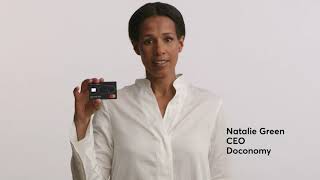
Doconomy: The 2030 Calculator
Doconomy, a Swedish impact-tech startup, wanted to help consumers make better choices by encouraging brands to carbon-label their products. However, small and medium-sized enterprises faced prohibitive costs and technical complexity when trying to calculate their environmental impact. FARM Stockholm was tasked with removing these barriers to establish Doconomy as a leader in climate transparency while fostering a collaborative industry environment to meet 2030 emission targets.
Creative Idea
Created a free, open-source tool that turned expensive carbon footprinting into a shared industry utility.
Doconomy launched a free, open-source carbon calculator for brands, democratizing sustainability data by turning a costly, weeks-long corporate process into a minutes-long utility that fosters radical collaboration instead of competition to combat the climate crisis.
The Calculator That Turned Competitors Into Allies
From Fifty Thousand Dollars to Free
Before this tool, a professional Life Cycle Analysis (LCA) was a luxury reserved for global conglomerates, costing approximately $50,000 per portfolio and taking weeks to complete. Developed by FARM Stockholm in partnership with UN Climate Change (UNFCCC), the 2030 Calculator collapsed that timeline from weeks to minutes. By utilizing a database of over 300 impact factors and the IPCC 2021 GWP 100 model, the platform democratized "cradle-to-gate" transparency for small and medium-sized enterprises that previously lacked the budget for carbon labeling.
Radical Collaboration Over Competition
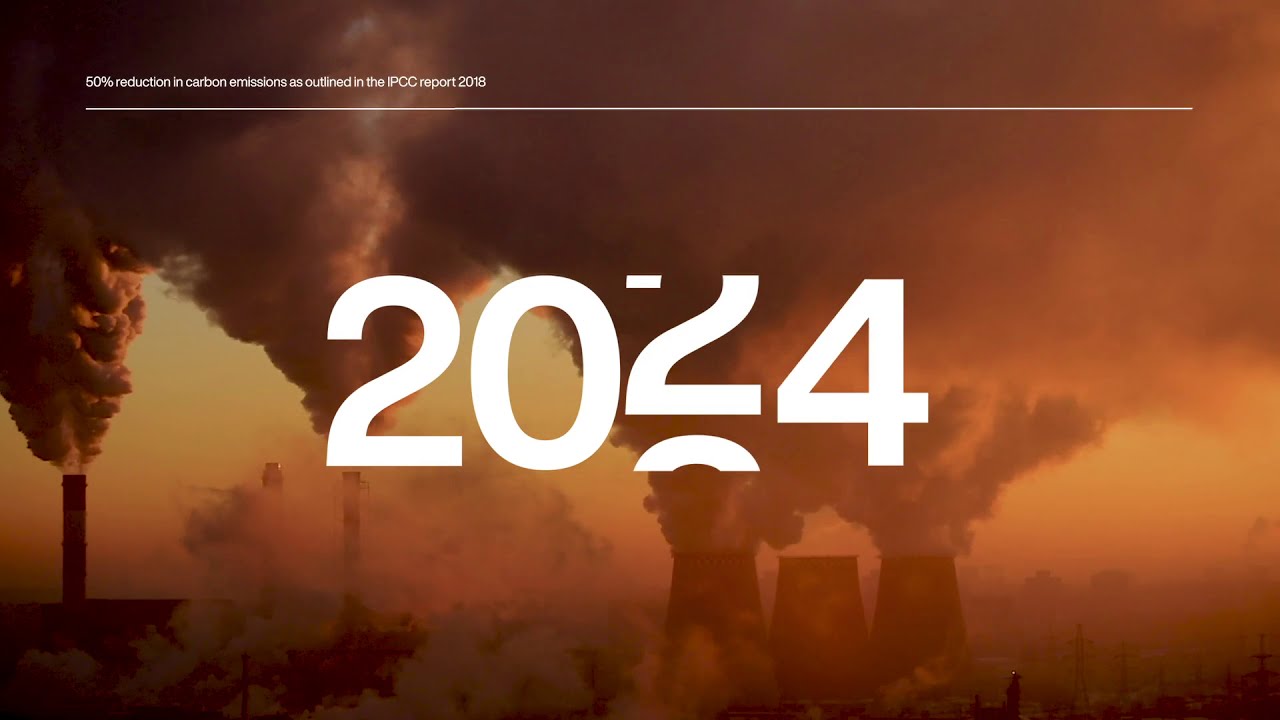 The campaign was built on a provocative paradox: in the face of a climate crisis, brands like Nike and Adidas are not competitors. This open-source philosophy encouraged a shift toward standardized carbon labeling - similar to nutritional facts on food. To ensure scientific integrity, the tool was built on ISO 14040 and ISO 14067 standards and vetted by the accounting firm EY. Beyond just data visualization, the tool is directly integrated with the UN Carbon Offset Platform, allowing brands to immediately contribute to green projects.
Scaling to One Billion People
What began as a beta launch for the Swedish apparel industry quickly scaled into a global utility covering furniture, electronics, and household goods. Supported by Mastercard and the Priceless Planet Coalition, Doconomy’s core technology reached 92 million people by the end of 2020. As Innovation Director Johan Pihl noted, the project treated innovation as "creativity with a job to do," successfully moving the needle from climate awareness to actionable industry solutions.
Creative Strategy Deconstructed
Company
Fintech expertise and a robust database of environmental impact factors for product life cycle analysis.
Category
Gatekeeps sustainability data behind expensive consulting fees and complex, proprietary calculation methodologies.
Customer
Small brands wanted to be transparent about their impact but lacked the massive budgets for professional audits.
Culture
The urgent global mandate to halve carbon emissions by 2030 and the rise of the conscious consumer.
Company
Fintech expertise and a robust database of environmental impact factors for product life cycle analysis.
Category
Gatekeeps sustainability data behind expensive consulting fees and complex, proprietary calculation methodologies.
Strategy:
Democratize expensive industry standards through open-source utility to accelerate collective transparency and systemic change.
Customer
Small brands wanted to be transparent about their impact but lacked the massive budgets for professional audits.
Culture
The urgent global mandate to halve carbon emissions by 2030 and the rise of the conscious consumer.
Strategy:
Democratize expensive industry standards through open-source utility to accelerate collective transparency and systemic change.
Results
The 2030 Calculator achieved 95% accuracy compared to a full Life Cycle Assessment (LCA). It reduced the time required for calculation from weeks to minutes. The cost was reduced from $4,000-$6,000 per product to $0.000. Since the beta launch, over 3,026 product carbon footprint calculations have been made on the platform. Major industry players like Higgs and BASF (releasing data for 45,000 products) have begun integrating or reconsidering data accessibility based on this model. The campaign received significant earned media coverage from outlets like Forbes, Fast Company, and Apparel Resources.
95%
accuracy vs LCA calculation
3,000+
product calculations in beta
100%
cost reduction for brands
Strategy Technique
Build an Utility, Not an Ad
Instead of just talking about carbon footprints, Doconomy built a functional tool that solved a massive financial and technical barrier for small businesses wanting to be transparent.
Explore Technique
Creative Technique
Unexpected Utility
It provides a high-value professional tool for free, shifting the brand from a service provider to a facilitator of industry-wide transparency and collective climate action.
Explore Technique
Craft Breakdown
The campaign excels through its sophisticated data visualization and digital craft, turning complex environmental metrics into an accessible, open-source tool.
The creation of a functional, high-accuracy calculator that simplifies complex Life Cycle Assessments into a user-friendly interface.
The minimalist and authoritative visual identity of the tool makes environmental data feel modern, transparent, and essential.
Bold, clear use of numbers and text reinforces the data-driven nature of the solution and creates a sense of urgency.
The script effectively frames a technical tool as a moral necessity, using powerful lines like 'no brand has any competitors' in the face of climate change.
“The synergy between the clean UI design and the compelling narrative transforms a technical utility into a powerful brand statement for Doconomy.”