KFC: The Kaprao Criminals
KFC Thailand tasked Wolf BKK with launching their new Kaprao Crispy Chicken Rice Bowl. The challenge was to overcome the intense local scrutiny surrounding 'authentic' Pad Kaprao recipes. The client wanted to connect with a younger, opinionated audience who frequently debate food authenticity online, aiming to drive trial of the new product while maintaining brand relevance in a highly traditional culinary market.
Creative Idea
KFC turned their controversial recipe into a humorous crime story to disarm critics.
KFC embraced the intense Thai debate over 'authentic' Pad Kaprao recipes by framing their own non-traditional version as a 'culinary crime', turning public criticism into a self-deprecating, humorous narrative that validates individual taste over rigid tradition.
Turning Culinary Controversy Into A Viral Sentence
A Masterclass In Self-Deprecation
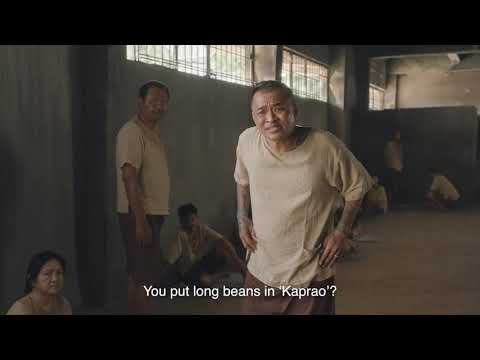
The campaign succeeded by leaning into the "Kaprao Police" phenomenon, a real-world social media trend where Thais aggressively gatekeep the ingredients of the national dish. By casting the Colonel as a fellow inmate alongside vendors who added "illegal" ingredients like baby corn or onions, Wolf BKK effectively neutralized the brand's critics. The film’s deadpan, cinematic aesthetic—reminiscent of high-stakes prison dramas—provided a sharp contrast to the absurdity of the premise, making the brand appear relatable rather than defensive.
Strategic Cultural Alignment
The launch was timed to capitalize on the peak of the online debate regarding food authenticity. By positioning the Kaprao Crispy Chicken Rice Bowl as the ultimate "criminal" dish, KFC invited the audience to participate in the joke rather than argue with the brand. This reverse-psychology approach turned potential negative sentiment into a badge of honor. The campaign’s success was driven by its ability to mirror the exact language and tone used by local food influencers, ensuring the content felt like a native part of the online conversation rather than a corporate intrusion.
Production And Execution
The film was directed with a focus on gritty, authentic textures to heighten the comedic impact of the prison setting. Every detail, from the lighting in the holding cell to the exaggerated expressions of the "culinary criminals," was designed to mimic the intensity of a thriller. This commitment to high-production value allowed the brand to deliver a self-aware message that resonated with younger, digitally-native consumers who value transparency and humor over traditional, polished advertising. The result was a seamless blend of product promotion and cultural commentary that solidified KFC’s place in the local food discourse.
Creative Strategy Deconstructed
Company
KFC leveraged its massive scale and reputation for crispy chicken to innovate within a beloved local category.
Category
Fast food brands typically ignore local culinary gatekeeping or attempt to mimic traditional recipes with varying success.
Customer
Thais feel protective over their national dish and often mock non-traditional ingredients as culinary crimes.
Culture
The rise of social media food policing created a cultural obsession with defining the 'correct' Pad Kaprao.
Company
KFC leveraged its massive scale and reputation for crispy chicken to innovate within a beloved local category.
Category
Fast food brands typically ignore local culinary gatekeeping or attempt to mimic traditional recipes with varying success.
Strategy:
Transform public criticism into a brand asset by embracing the controversy with humor and honesty.
Customer
Thais feel protective over their national dish and often mock non-traditional ingredients as culinary crimes.
Culture
The rise of social media food policing created a cultural obsession with defining the 'correct' Pad Kaprao.
Strategy:
Transform public criticism into a brand asset by embracing the controversy with humor and honesty.
Results
The campaign achieved significant cultural resonance, securing a Cannes Lions 2026 Bronze award. It successfully transformed negative social media sentiment regarding 'food authenticity' into a viral, self-deprecating narrative. By positioning the product as a 'culinary crime,' the brand effectively neutralized 'Kaprao Police' critics, turning potential backlash into a widely shared, relatable joke that solidified KFC's relevance in the local Thai food discourse.
2026
Cannes Lions Bronze Award year
Strategy Technique
Reframing
By shifting the perspective from 'incorrect recipe' to 'culinary criminal', the brand changes the conversation. It transforms a negative consumer perception into a playful, engaging brand story.
Creative Technique
Lean Into the Problem
The campaign acknowledges the controversy surrounding their recipe by framing it as a crime. This turns potential backlash into a humorous, self-aware narrative that disarms critics.
Explore Technique
Craft Breakdown
The campaign's brilliance lies in its high-stakes, cinematic production value applied to an absurd, self-deprecating premise, effectively mirroring the intensity of a thriller to highlight the triviality of food gatekeeping.
The script masterfully adopts the tone of local food influencers to turn a national debate into a humorous, self-aware narrative.
The gritty, high-stakes prison aesthetic provides a perfect, deadpan contrast to the absurdity of the 'culinary crime' concept.
The use of intense, thriller-like lighting and camera work elevates the comedic timing of the performances.
The deadpan delivery of the cast maintains the seriousness of the 'prison drama' trope, which is essential for the humor to land.
“The synergy between the gritty, high-production cinematic aesthetic and the absurd, self-deprecating script creates a 'reverse-marketing' effect that makes the brand appear authentic and relatable rather than defensive.”