This week's AI updates from Runway, Anthropic, and Google shift the focus from generating assets to building workflows. Here is what it means for your brand strategy and media budget.
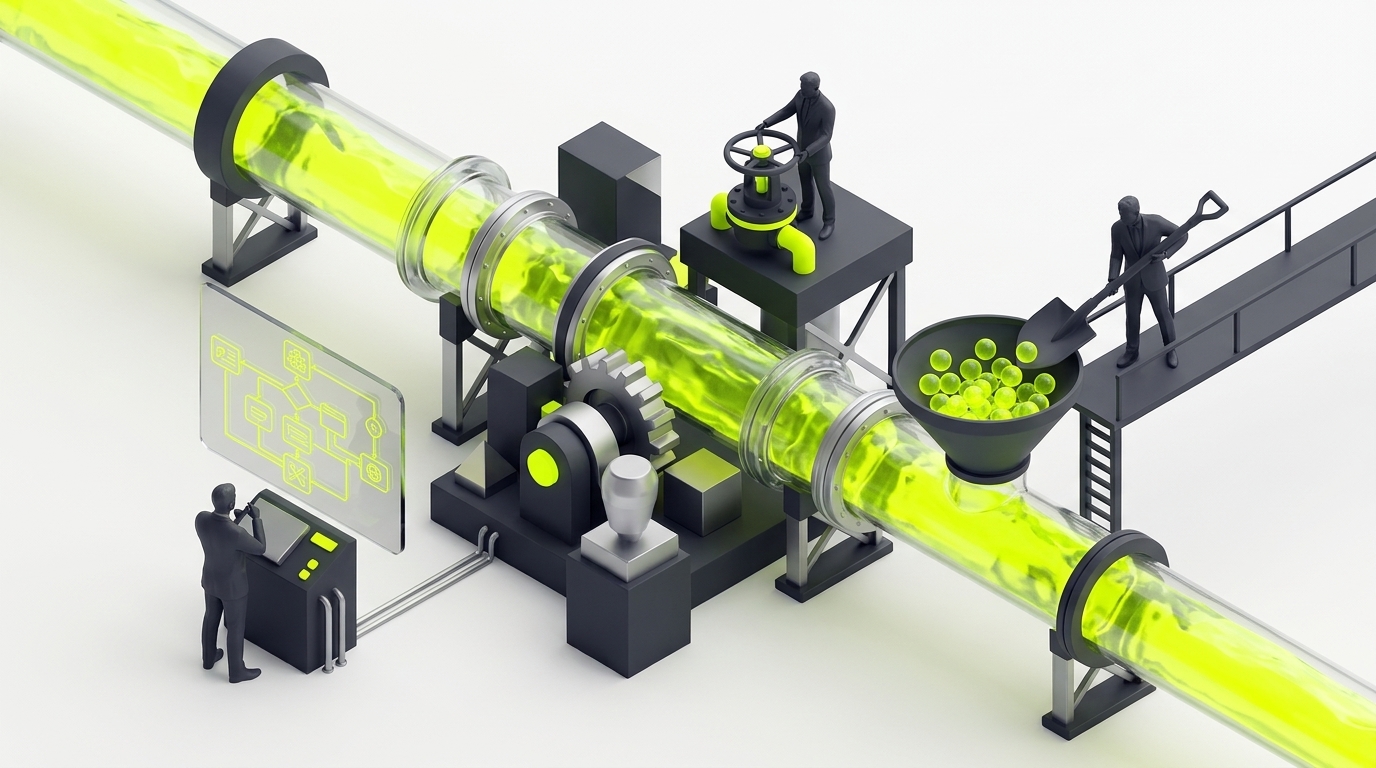
The Shift from Asset Generation to Workflow Automation
For the past two years, the industry has treated AI like a very fast, slightly eccentric copywriter. We asked for a headline, we got ten back, and we spent twenty minutes fixing the adjectives. This week, that relationship changed. With the launch of agentic platforms that can record screens, build multi-step campaigns, and talk in real-time, we are moving from generation to orchestration. The question is no longer whether a model can write your social copy - it is whether you should let an agent manage the entire distribution pipeline while you focus on the underlying human truth.
---Runway Launches Agent 2.0: From Prompts to Campaigns
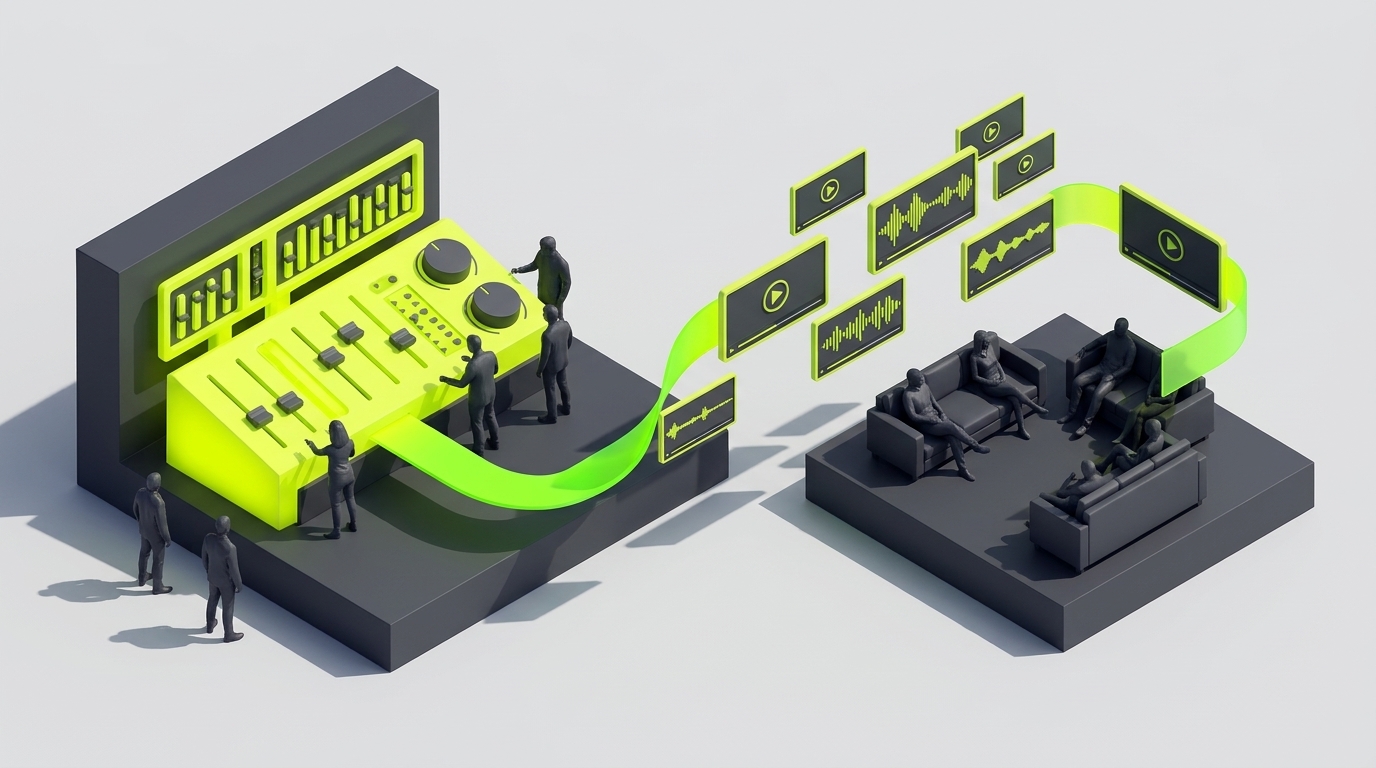
Runway Agent 2.0 has launched with the promise of turning simple text prompts into complete, multi-channel marketing campaigns. In the demo, the tool coordinates video assets, copy variations, and layout designs in one fluid motion. While the demo looks polished, experienced planners know that the real test is brand consistency. If you let an agent generate a campaign without strict guardrails, you risk diluting your distinctive assets into generic, category-average wallpaper.
For media buyers, this tool suggests a future of hyper-segmented creative testing at zero marginal cost. Instead of running three asset variations, programmatic budgets could test three hundred. However, without a strong creative strategy to anchor the work, you are simply accelerating the rate at which your audience ignores your message.
Anthropic Launches Claude Opus 5: Near-Fable Intelligence at Half the Cost
Anthropic has released Claude Opus 5, offering advanced reasoning capabilities at half the price of previous frontier models. This is not just a win for agency procurement directors trying to trim software bills; it is a structural shift in how we process research. Opus 5 is built for complex, multi-layered strategic analysis, making it a powerful partner for deconstructing competitor positioning or mapping category entry points across massive datasets.
At this price point, deep strategic analysis stops being a luxury reserved for quarterly reviews and becomes an everyday utility. The risk, of course, is analysis paralysis. When getting a comprehensive competitive analysis costs pennies, the value of having a sharp, contrarian point of view on that data goes through the roof.
"Most brand choices are made on autopilot. If your AI tools are only trained on historical category data, they will inevitably recommend the most average, predictable path - which is the fastest way to be ignored."
Midjourney Acquires Astrology App Co-Star
In one of the more surreal corporate pairings of the year, Midjourney has acquired Co-Star and named its founder as Chief Design Officer. Beyond the inevitable jokes about blaming Mercury retrograde for lost pitches, this is a deliberate play for aesthetic distinctiveness. Co-Star is famous for its stark, minimalist, pseudo-gothic design language - a sharp contrast to the saturated, hyper-real CGI style that has dominated AI art for years.
For brand directors, this acquisition signals a shift in the visual culture of AI. As consumers develop fatigue for overly polished, synthetic renders, brands must find ways to inject tactile, human-feeling craft back into their digital touchpoints. If Midjourney uses Co-Star's aesthetic to move away from plastic-looking stock imagery, it could help brands build more distinctive visual assets.
OpenAI Launches "Presence" Enterprise Platform
OpenAI has introduced Presence, an enterprise-grade agent platform designed for real-time voice and chat interactions. Rather than waiting for a user to click a button, these agents are designed to actively monitor workflows and assist in real-time. In a customer service context, this shifts the focus from reactive troubleshooting to proactive brand experience.
From a brand strategy perspective, voice is a highly sensitive distinctive asset. If you delegate your customer interactions to a conversational agent, that agent's tone, pacing, and vocabulary become your brand identity. Before deploying voice agents to real users, marketing directors must treat the system's prompt instructions with the same rigor they would apply to a global brand book.
OpenAI Launches ChatGPT for Small Businesses
To help smaller teams navigate the transition to automated workflows, OpenAI has launched the ChatGPT for Small Businesses Program. This initiative provides structured training and pre-built workflows designed to handle routine administrative tasks. For boutique agencies and independent consultants, this is a chance to offload the operational friction that eats up creative thinking time.
When small businesses gain access to the same operational efficiency as multinational agencies, the playing field flattens. The differentiator is no longer the size of your team or the volume of your output; it is the quality of your strategic insight and your willingness to stake a contrarian position that a standardized workflow would never recommend.
Claude Cowork: Teaching AI by Doing
Anthropic's new Claude Cowork feature allows users to teach the desktop app specific skills simply by recording their screen. Instead of writing complex prompts or writing custom code, you show the model how you build a deck, format a report, or upload assets, and let it copy your behavior. It is the digital equivalent of showing an intern where the coffee machine is and how to run the weekly reports.
For creative production teams, this is a major workflow shift. Routine, repetitive tasks like resizing assets for different social platforms or formatting client decks can be automated without needing a developer. This frees up planners and art directors to spend their time on the work that actually builds mental availability - finding the human tension that makes an idea stick.
Google Launches Gemini 3.6 Flash and Flash-Lite
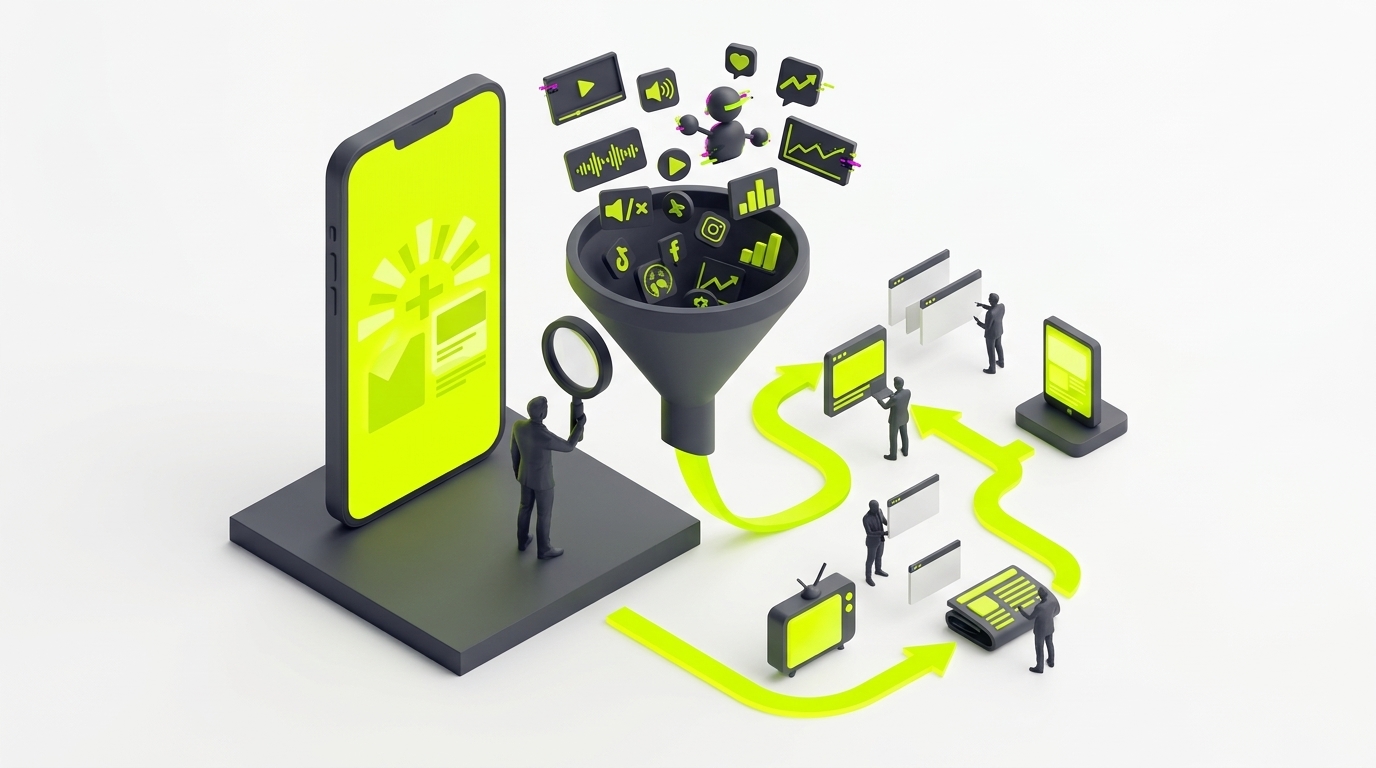
Google has updated its agentic lineup with Gemini 3.6 Flash, 3.5 Flash-Lite, and 3.5 Flash Cyber. These models are engineered for speed, low latency, and high-volume processing, making them ideal for real-time applications like dynamic creative optimization and automated social listening.
In terms of media and channels, these fast models allow brands to react to cultural moments while they are still hot. However, speed is a double-edged sword. If your real-time marketing is handled entirely by automated agents reacting to trending keywords, you risk joining conversations where your brand has no business being, leading to the kind of safe, neutral wallpaper that consumers instantly scroll past.
---Your Action Item for Monday morning
Pick one repetitive, manual task that eats up your team's creative energy - whether it is formatting competitive audits, resizing social banners, or pulling search volume data. Use Claude Cowork or a similar agentic tool to record your screen, automate that workflow, and reclaim five hours of thinking time this week. Use those five hours to find one weird, specific consumer truth that your competitors' automated tools have completely missed.