2026Animal LibreNot-for-Profit & GovernmentVideo ad
Animal Libre: Choose Cruelty
Animal Libre challenged the agency ThePlan to create a campaign that would effectively engage a public desensitized to traditional animal rights imagery. The goal was to disrupt the high meat consumption habits during Chile's Independence Day. The client needed a provocative, non-graphic approach to force consumers to question the morality of their dietary choices and the industrial processes they implicitly support.
Creative Idea
Recreating slaughterhouse violence with vegetables to expose the brutality of meat production.
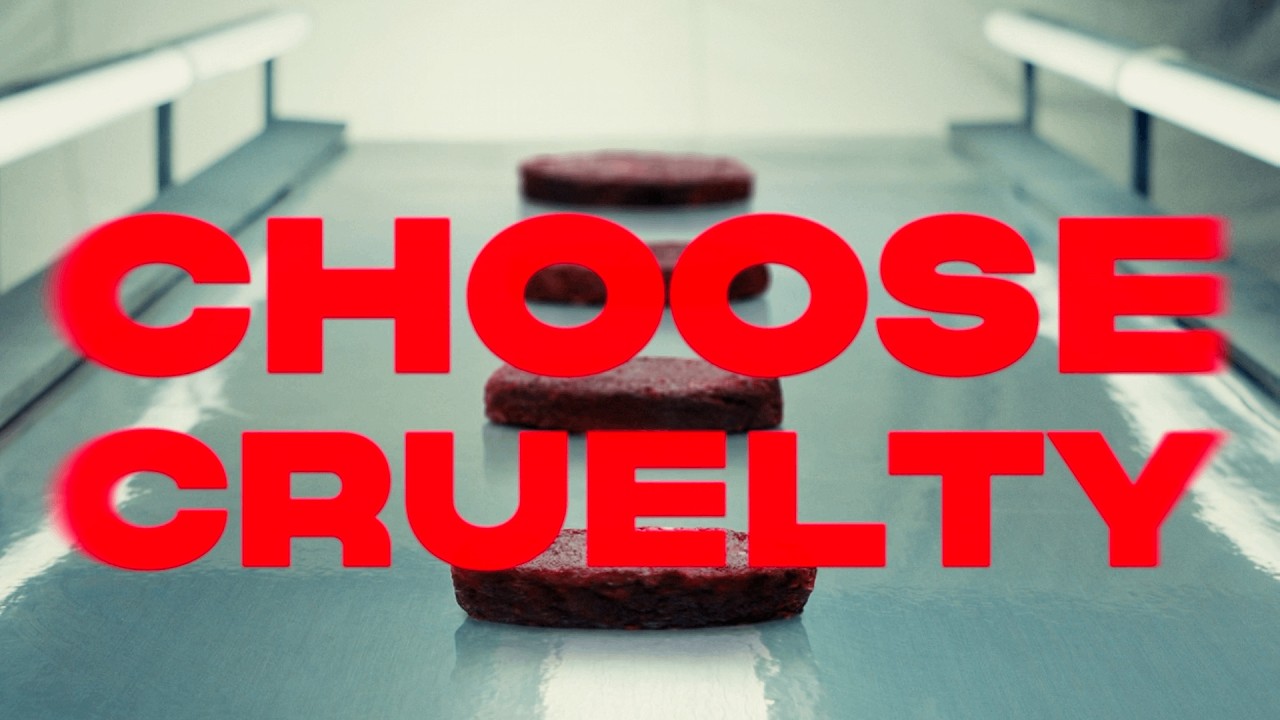
Animal Libre recreated the visceral violence of a slaughterhouse using only plant-based ingredients. By stripping away the animal victim while keeping the brutal mechanics, the campaign forced viewers to confront their own discomfort with the process of meat production.
The Vegetable Slaughterhouse That Forced A Look
Engineering The Uncomfortable Aesthetic
To achieve the visceral impact of a real slaughterhouse without using animal products, directors Cristóbal Portaluppi and Sepia focused on lighting and texture. The production team utilized dark, industrial warehouse settings to mimic the grim atmosphere of an abattoir. By using heavy-duty industrial equipment to process beetroots, pumpkins, and broccoli, the crew created a sensory experience that mirrored the sounds and visuals of meat processing. The red juice from the vegetables served as a direct visual substitute for blood, ensuring the mechanics of the violence remained authentic to the viewer's subconscious expectations.
Disrupting The Asado Tradition
The campaign was strategically timed for September 2026, immediately preceding Chile's Fiestas Patrias. This period represents the peak of meat consumption in the country, centered around traditional *asados*. By launching during this specific cultural window, ThePlan aimed to interrupt the normalization of animal slaughter during a time of national celebration. The agency sought to bypass the "compassion fatigue" often associated with traditional animal rights documentaries by using uncomfortable humor and high-end advertising aesthetics. This approach successfully engaged audiences who typically avoid graphic content, forcing them to confront the question: if the process is inherently disturbing when applied to vegetables, why is it accepted when applied to sentient beings?
A Shift In Advocacy Tactics
The project relied entirely on visual storytelling rather than celebrity influence. By casting anonymous actors in standard industrial workwear, the campaign kept the focus on the industrial process itself. This decision reinforced the message that the cruelty is systemic and inherent to the industry, regardless of who is performing the tasks. The campaign successfully bridged the gap between niche activism and mainstream advertising, proving that provocative, non-graphic messaging can effectively challenge deeply ingrained cultural habits.
4C Framework deconstruction
Company
Animal Libre leveraged its authority as an animal rights NGO to challenge societal norms regarding food production and ethics.
Category
Most animal rights campaigns rely on graphic footage of animal suffering, which audiences frequently reject or avoid watching entirely.
Customer
Consumers feel disconnected from the source of their food and instinctively look away from traditional, graphic animal welfare messaging.
Culture
The campaign launched before Chile's Independence Day, a period defined by massive meat consumption, to disrupt national holiday habits.
Company
Animal Libre leveraged its authority as an animal rights NGO to challenge societal norms regarding food production and ethics.
Category
Most animal rights campaigns rely on graphic footage of animal suffering, which audiences frequently reject or avoid watching entirely.
Strategy:
Expose the inherent violence of a process by removing the victim to force moral reflection.
Customer
Consumers feel disconnected from the source of their food and instinctively look away from traditional, graphic animal welfare messaging.
Culture
The campaign launched before Chile's Independence Day, a period defined by massive meat consumption, to disrupt national holiday habits.
Strategy:
Expose the inherent violence of a process by removing the victim to force moral reflection.
Strategy Technique
Find the Missing Conversation
The campaign addresses the uncomfortable reality of meat production that consumers usually ignore. By shifting the focus from the animal to the violent process, it forces a conversation about why we accept such brutality on our plates.
Explore Technique
Creative Technique
Compare & Contrast
The campaign juxtaposes the familiar, brutal aesthetics of industrial slaughter with plant-based ingredients. This visual comparison forces viewers to realize their discomfort stems from the process itself, not just the presence of an animal.
Explore Technique
Craft Breakdown
This campaign's brilliance lies in its clever subversion of slaughterhouse imagery using masterful art direction and sound design to reframe plant-based eating.
Sets, props, and lighting perfectly mimic the horrific aesthetic of a slaughterhouse while exclusively featuring vegetables.
Visceral, wet, and heavy industrial sound effects heighten the tension and deceive the viewer into feeling slaughterhouse dread.
Moody lighting, tight macro shots, and deliberate framing create an immersive cinema-grade atmosphere.
Rhythmic cuts sync precisely with audio hits to build an oppressive yet captivating pace.
“The combination of dark slaughterhouse art direction and visceral sound design creates a seamless visual trick that powers the campaign's powerful message.”