Senatur: Santa Maria Pueblo Hotel
Senatur, in partnership with Oniria\TBWA, sought to boost tourism in the remote village of Santa María de Fe. The client faced a significant lack of formal hotel infrastructure, which prevented the area from attracting visitors. The objective was to create a sustainable, scalable tourism model that would generate income for the local population while providing a unique, high-quality experience for travelers.
Creative Idea
The village itself became the hotel, turning every resident into a hospitality partner.
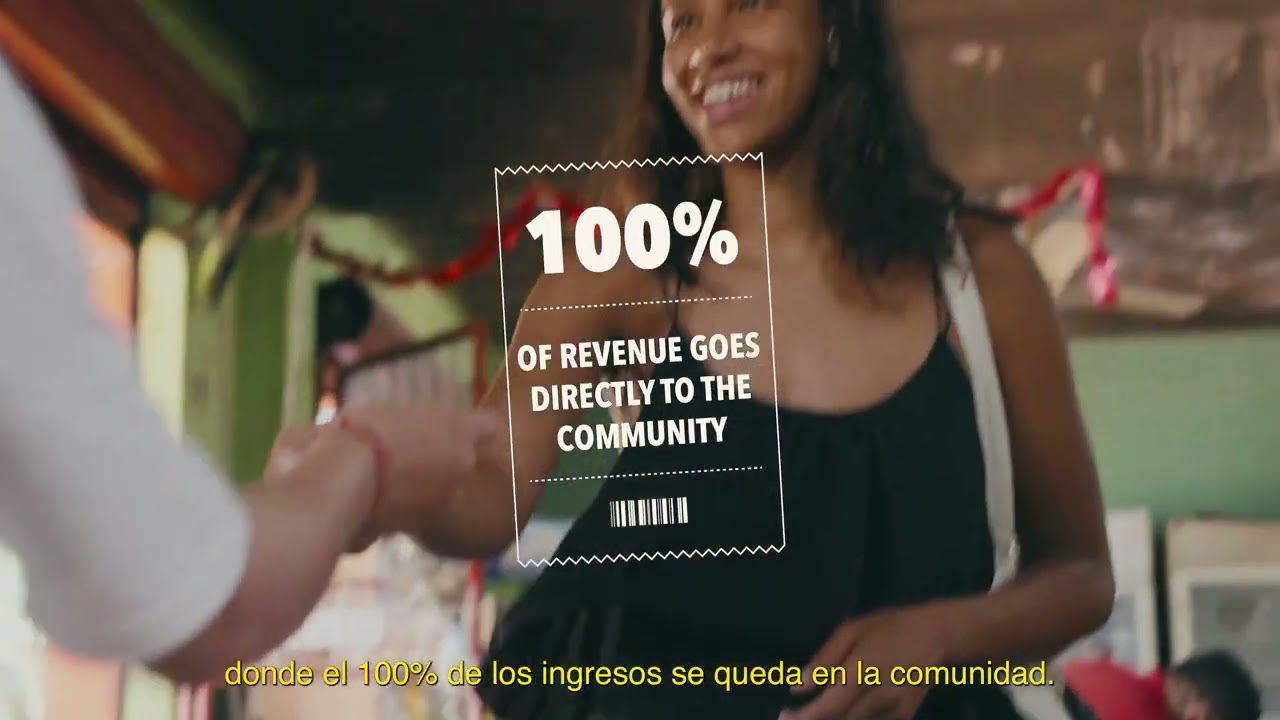
Senatur transformed an entire remote village into a functional hotel platform by repurposing existing community infrastructure. This circular economy model provided authentic hospitality while ensuring 100% of tourism revenue directly benefited the local residents.
Turning an Entire Village into Hospitality
A Circular Economy Blueprint
The project functioned as a decentralized hotel system where the village infrastructure replaced traditional brick and mortar. By integrating 12 local businesses into the operational ecosystem, the campaign ensured that 100% of the revenue remained within the community. This model effectively turned residents into entrepreneurs, with over 55 locals undergoing professional training in hospitality and service management to maintain the high standards required for the hotel platform.
Sustained Operational Success
The campaign moved beyond a standard advertising push by creating a permanent, self-sustaining business entity. Since the official launch in December 2025, the "Pueblo Hotel" has maintained 100% occupancy without interruption. The demand for this unique experience was so high that the booking system quickly hit capacity, resulting in a consistent waitlist of more than 35 days. This performance validated the strategy of using tourism as a tool for rural development rather than just a promotional message.
Strategic Regional Integration
The initiative was not a solo effort by the agency but a collaborative governance project. Oniria\TBWA worked in a strategic alliance with the Secretaría Nacional de Turismo (SENATUR), the Municipalidad de Santa María de Fe, and the Gobernación de Misiones. By leveraging the existing historic Jesuit town architecture, the team avoided the need for new construction, instead focusing on service design and community empowerment. This approach allowed the village to scale its capacity while preserving its cultural identity, proving that creative business transformation can solve infrastructure gaps in remote regions.
Creative Strategy Deconstructed
Company
Senatur leveraged its authority to organize and certify local assets into a unified, professional hospitality network.
Category
Tourism marketing typically relies on promoting existing, large-scale hotel chains and mass-market resort infrastructure.
Customer
Travelers increasingly sought authentic, human-scale experiences that support local communities rather than impersonal corporate hotels.
Culture
The rise of sustainable, community-based tourism and the desire for deeper, meaningful travel connections drove the project's success.
Company
Senatur leveraged its authority to organize and certify local assets into a unified, professional hospitality network.
Category
Tourism marketing typically relies on promoting existing, large-scale hotel chains and mass-market resort infrastructure.
Strategy:
Solve infrastructure gaps by integrating existing community assets into a unified, self-sustaining service ecosystem.
Customer
Travelers increasingly sought authentic, human-scale experiences that support local communities rather than impersonal corporate hotels.
Culture
The rise of sustainable, community-based tourism and the desire for deeper, meaningful travel connections drove the project's success.
Strategy:
Solve infrastructure gaps by integrating existing community assets into a unified, self-sustaining service ecosystem.
Results
The campaign achieved a +7000% increase in Google searches for 'Hotel del Pueblo' and a +265% increase for 'Santa Maria de Fé'. There were over 12,000 visits to the official website. Since launch, the hotel has maintained 100% occupancy, with an entire quarter sold out for 2026 and a 35-day waiting list. Over 55 locals were trained, and 12 businesses were integrated into the hospitality system, ensuring 100% of the revenue goes directly to the community.
+7000%
increase in Google searches for 'Hotel del Pueblo'
100%
occupancy rate since launch
100%
of revenue goes directly to the community
Strategy Technique
Build an Utility, Not an Ad
The agency solved the infrastructure problem by creating a functional business model rather than just a promotional campaign. This utility-first approach ensured long-term sustainability for the community.
Explore Technique
Creative Technique
Turn Message into Product
The campaign literally converted the village infrastructure into a hospitality product. It moved beyond advertising to create a tangible, functional service that solved the lack of tourism infrastructure.
Explore Technique
Craft Breakdown
This campaign excels by turning a systemic infrastructure challenge into a brilliant branding and design system. By framing an entire village as a single hotel, it creates a highly engaging and sustainable tourism model.
The conceptual design of mapping traditional village elements to standard hotel amenities (lobby, pool, rooms) is brilliant and cohesive.
The physical transformation of the community into a decentralized hospitality platform directly benefits the local economy.
The narrative beautifully reframes the lack of traditional infrastructure as a premium, authentic asset.
The integration of digital UI elements over real-world footage seamlessly communicates the 'village as a hotel' concept.
“The magic lies in how the digital UI design overlays perfectly translate the physical, real-world experiential design of the village into a recognizable hotel booking experience.”