2026UNESCONot-for-Profit & GovernmentCase video
UNESCO: The Virtual Museum of Stolen Cultural Objects
UNESCO tasked BBDO Paris with increasing global awareness of illicit cultural trafficking. The objective was to create a platform that would assist law enforcement and the public in identifying stolen artifacts. The client needed a solution that moved beyond traditional advocacy to provide a functional, interactive tool that could help recover lost heritage for member states worldwide.
Creative Idea
A virtual museum rendered stolen, invisible artifacts to make them recognizable and recoverable.
UNESCO launched a virtual museum featuring 3D-rendered stolen artifacts to combat illicit trafficking. By making lost heritage visible and searchable, the platform empowers law enforcement and communities to identify, track, and ultimately recover looted treasures globally.
A Museum Designed to Shrink Itself
Architecture of the Baobab Tree
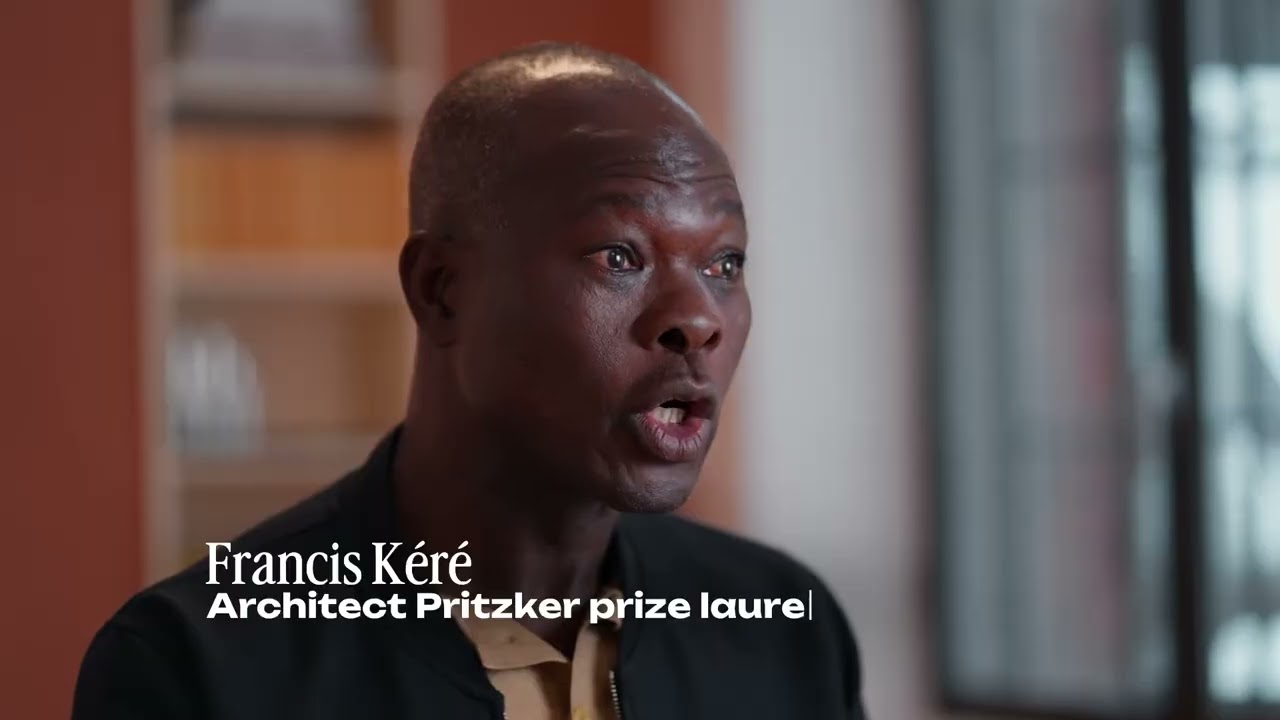
The virtual space was conceptualized by Pritzker Prize winner Diébédo Francis Kéré. The museum’s structure is built within a giant digital globe, featuring an ascending helical ramp inspired by the African Baobab tree and the Guggenheim Museum. This design choice symbolizes cultural roots and endurance, providing a dignified, contemplative environment for artifacts that were previously lost to the world.
Generative AI and Digital Resurrection
Many of the 250+ artifacts featured in the museum lacked high-quality documentation, existing only as fragments or low-resolution archival photos. To solve this, the digital production studio makemepulse utilized a custom generative AI tool to reconstruct these items into immersive 3D models. These assets are powered by a proprietary NanoGL engine, allowing for high-fidelity viewing across mobile, desktop, and VR headsets without requiring heavy downloads.
The Reverse Logic of Success
Unlike traditional institutions that measure success by the growth of their collections, this museum operates on a unique premise: it is designed to vanish. When an object is successfully identified and recovered through the platform, it is moved from the main galleries into a permanent Return and Restitution Room. This space celebrates the repatriation of items like the Coțofenești Golden Helmet and a trilobite fossil, effectively turning the museum into an active tool for global law enforcement and due diligence. As Alexander Kalchev of DDB Paris noted, the platform serves as a functional barrier against illegal trafficking by making stolen goods recognizable and, consequently, much harder to resell on the black market.
4C Framework deconstruction
Company
UNESCO leveraged its global authority and partnership with INTERPOL to centralize data on thousands of stolen cultural artifacts.
Category
Cultural organizations typically rely on static, inaccessible databases that fail to engage the public or deter illicit art markets.
Customer
The public and law enforcement needed a way to visualize and identify looted items to facilitate their return home.
Culture
Rising global awareness regarding colonial restitution and the digital transformation of museum experiences made this virtual solution timely.
Company
UNESCO leveraged its global authority and partnership with INTERPOL to centralize data on thousands of stolen cultural artifacts.
Category
Cultural organizations typically rely on static, inaccessible databases that fail to engage the public or deter illicit art markets.
Strategy:
Transform abstract data into a visible, public-facing tool to drive accountability and asset recovery.
Customer
The public and law enforcement needed a way to visualize and identify looted items to facilitate their return home.
Culture
Rising global awareness regarding colonial restitution and the digital transformation of museum experiences made this virtual solution timely.
Strategy:
Transform abstract data into a visible, public-facing tool to drive accountability and asset recovery.
Results
The initiative successfully mobilized international support, with 50 UNESCO member states involved and more joining. The campaign garnered widespread global press coverage across major news and design outlets including Forbes, Smithsonian Magazine, RFI, The Guardian, and The Architect's Newspaper. Crucially, the platform has already assisted efforts leading to the discovery and recovery of the first stolen objects.
50
UNESCO member states involved
Strategy Technique
Make the Invisible Visible
Cultural looting often happens in the dark, away from public view. This strategy shines a light on these missing objects, transforming an abstract crisis into a tangible, actionable database for global recovery.
Explore Technique
Creative Technique
Expose the Hidden
The campaign brings looted, invisible artifacts into a public, digital space. By rendering stolen items in 3D, it forces the hidden reality of cultural theft into the light for global scrutiny.
Explore Technique
Craft Breakdown
This campaign excels through world-class 3D architecture and digital craft, creating a virtual museum space that elevates lost cultural heritage into an inspiring global cause.
The immersive spatial rendering of the virtual museum captures complex organic architecture inspired by the baobab tree with realistic lighting and texture.
The seamless interaction design connects high-quality 3D artifact visualization directly with Interpol databases and educational archives.