Brand Identity Prism
Kapferer's 6 Facets of Brand Identity
Most brand frameworks treat a brand like a thing you broadcast. Kapferer's Brand Identity Prism does something cleverer - it treats a brand as a relationship between two people who are both, slightly, making each other up. There's a sender (the brand) projecting a picture of itself, and a recipient (the customer) who the brand also projects a picture of. Identity, in this model, lives in the conversation between the two.
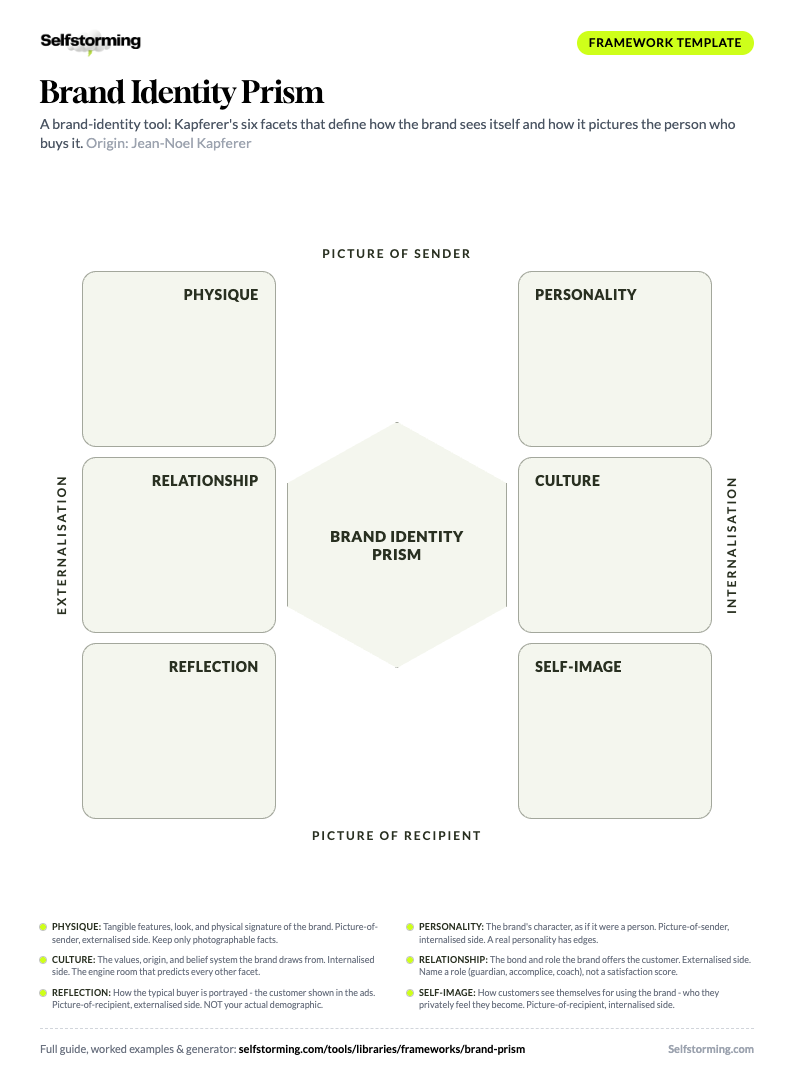
Print it. Fill it in.
The Brand Identity Prism as a printable A4 worksheet - write straight into the framework, on paper or in any PDF app.
Download the PDF templateKnowledge Worth Paying For
A working library of brand strategy frameworks - with worked examples on real brands, sources, and decision criteria. Not vibes.
One good deck covers the subscription. The rest is profit.
Six facets on a prism, two per axis. Physique (tangible features and look) and Personality (character, as if a person) form the picture-of-sender. Reflection (how the buyer is portrayed in the ads) and Self-image (how the customer sees themselves for using it) form the picture-of-recipient. Culture (values and origin) and Relationship (the bond offered) sit in between. Physique, Relationship and Reflection are externalised; Personality, Culture and Self-image are internalised. The whole point is coherence between sender and recipient, not six tidy boxes.
Volvo
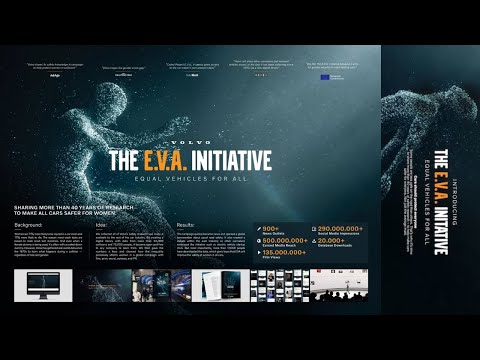
Premium automotive (Sweden, founded 1927)The textbook Prism because every facet is legible and they reinforce each other. Volvo's Physique (safety engineering) flows straight from its Culture (Swedish responsibility) and produces a Relationship (guardian) and a Self-image (responsible, caring) that no rival can copy without sounding hollow. A clean demonstration of all six facets pulling in one direction.
Guinness
Heritage Irish stout (Dublin, founded 1759)A Prism where Culture and Personality carry a category most people think is just a drink. Guinness's whole identity rests on a belief - that character is built, not given - so the Reflection (men of substance and patience) and the Self-image (I'm more than I appear) are the real product. The black pint is just the proof you waited for it.

Apple
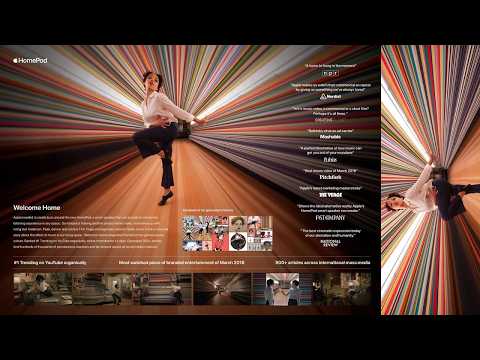
Consumer technology (USA, founded 1976)The cleanest modern illustration of Culture driving every other facet. Apple's 'Think Different' belief - that the people crazy enough to think they can change the world are the ones who do - powers the minimalist Physique, the rebel Personality, and a Self-image (creative, a little nonconformist) that buyers pay a premium to feel. The product is the entry ticket to the tribe.
Volvo, Guinness, Apple - filled in, line by line. Unlock to read them.
Volvo (Premium automotive (Sweden, founded 1927))
The textbook Prism because every facet is legible and they reinforce each other. Volvo's Physique (safety engineering) flows straight from its Culture (Swedish responsibility) and produces a Relationship (guardian) and a Self-image (responsible, caring) that no rival can copy without sounding hollow. A clean demonstration of all six facets pulling in one direction.
Physique: Boxy, solid silhouette. Crash-test labs and safety-first engineering. The free three-point seatbelt patent. Estate wagons and that reassuring door-thunk.
Personality: Calm, dependable, grown-up. Quietly Scandinavian - never shouting, never flashy. The sensible adult in a category full of show-offs.
Culture: Swedish values of responsibility, restraint and care for people over horsepower. Built on the belief that a car's first job is to not kill you.
Relationship: The protective guardian. An unspoken deal: 'we'll keep you and the people you love safe.' Trust and care, not thrill.
Reflection: The responsible family person and the safety-conscious professional - the parent who chooses substance over status in the ads.
Self-image: I'm a sensible, caring adult who puts my family's wellbeing above showing off. Buying a Volvo says I have my priorities straight.
Guinness (Heritage Irish stout (Dublin, founded 1759))
A Prism where Culture and Personality carry a category most people think is just a drink. Guinness's whole identity rests on a belief - that character is built, not given - so the Reflection (men of substance and patience) and the Self-image (I'm more than I appear) are the real product. The black pint is just the proof you waited for it.
Physique: The unmistakable black body and thick cream head. The slow two-part pour and the 119.5-second settle. The harp emblem, Arthur Guinness's signature, and the four-acre St James's Gate brewery in Dublin.
Personality: Deep, patient, characterful. A bit philosophical, a bit defiant - never rushed, never lightweight. The drink that thinks before it speaks.
Culture: Irish craft and conviction dating to a 9,000-year lease signed in 1759. The belief that good things, and good character, are earned over time - 'Made of More' than the easy option.
Relationship: The knowing companion. Guinness doesn't flatter you; it rewards the patience and substance it assumes you already have. A drink for people who back themselves.
Reflection: The man (or woman) of depth and conviction - the one who waits for the pour, holds an unfashionable standard, and is more interesting than the round of lagers beside them.
Self-image: I'm made of more than how I look on the surface. Choosing the harder, slower, better thing is just who I am.
Apple (Consumer technology (USA, founded 1976))
The cleanest modern illustration of Culture driving every other facet. Apple's 'Think Different' belief - that the people crazy enough to think they can change the world are the ones who do - powers the minimalist Physique, the rebel Personality, and a Self-image (creative, a little nonconformist) that buyers pay a premium to feel. The product is the entry ticket to the tribe.
Physique: Minimalist, tactile hardware in aluminium and glass. The bitten-apple logo, white space, and obsessive industrial design. Clean stores, the unboxing ritual, and famously few buttons.
Personality: Creative, confident, quietly rebellious. Challenges convention without ranting about it. Elegant and certain - the cool art-school kid who also aced the engineering.
Culture: Silicon Valley counterculture crossed with Steve Jobs's design absolutism. The 'Think Different' belief that simplicity is the ultimate sophistication and the status quo deserves a fight.
Relationship: The creative enabler and trusted tribe. Apple offers membership in a community of makers - 'we get you, and our tools let you do your best work.' Belonging plus capability.
Reflection: The creative individualist - the designer, the founder, the student who values taste and ideas over spec sheets, shown making and creating in the ads.
Self-image: I think differently. I value design, creativity and simplicity, and the tools I choose say I'm one of the people who make things, not just consume them.
1. Physique
What does this brand physically look like, feel like, and do - the tangible features you'd notice without being told the name?
The brand's tangible backbone - its salient features, its look, the physical things it makes and the way it shows up. In Kapferer's model Physique is part of the picture of the sender and sits on the externalised side - it's the most visible, social face of the brand. Physique is the answer to 'what is it, concretely?' before anyone gets poetic.
Good answer: Volvo: boxy-but-safe silhouette, the three-point seatbelt it gave away for free, crash-test labs, that reassuring door-thunk. Each fact is tangible AND signals the deeper identity (safety).
Wrong answer: Listing aspirational adjectives (premium, sleek, trustworthy) instead of physical facts. Physique should survive a photograph. If you can't point a camera at it, it isn't Physique - it's a wish.
2. Personality
If the brand were a person at a dinner party, how would they talk, joke, argue, and carry themselves?
The brand's character - the tone, attitude and human temperament it shows, as if it were a person you could describe. Personality is part of the picture of the sender but sits on the internalised side - it's the inner character behind the visible Physique. Built through voice, spokespeople, and the way the brand handles itself when things go wrong.
Good answer: Aesop: understated, literate, quietly intellectual - the friend who reads philosophy but never name-drops it. The personality is legible in every label, store, and email.
Wrong answer: Defaulting to friendly, approachable, innovative - the personality equivalent of beige. A real personality has edges some people won't like. If everyone would enjoy the dinner, you haven't found a personality.
3. Culture
What values, origin story, and belief system does this brand draw its behaviour from?
The value system and origin the brand feeds on - its ethos, heritage, and the country or community it springs from. Culture sits on the internalised side and is, in Kapferer's words, the brand's source code - it's why two brands can share a Physique yet feel worlds apart. Strong Culture predicts the brand's choices long before the brand makes them.
Good answer: Harley-Davidson: American freedom mythology, Milwaukee roots, the open road and outlaw-but-loyal brotherhood. The Culture explains every other facet - the sound, the rallies, the tattoos.
Wrong answer: Treating Culture as a CSR slide (sustainability, diversity, integrity) bolted on after the fact. Culture is where the brand actually comes from, not the values it would like to be applauded for.
4. Relationship
What kind of relationship does this brand offer the customer - what's the unspoken deal between them?
The bond the brand proposes - the mode of exchange, the handshake, the role it plays in the customer's life (guide, accomplice, protector, provocateur). Relationship sits on the externalised side because it plays out in visible behaviour and exchange. It's especially load-bearing for service brands, where the relationship more or less is the product.
Good answer: Volvo: the protective guardian - 'we'll keep you and your family alive.' The whole exchange is built on trust and care rather than thrill, and the buyer accepts that deal knowingly.
Wrong answer: Writing great customer service and moving on. That's a hygiene factor, not a relationship. The Relationship facet names the specific role the brand plays - parent, rebel, coach - not a satisfaction score.
5. Reflection
When the brand shows its typical customer in its advertising, who is that person - the one we see in the ads?
The stereotypical user the brand portrays - the customer as shown in communications, the face in the ad. Reflection is part of the picture of the recipient and sits on the externalised side. Crucially it is NOT the same as the actual buyer - it's the idealised image the brand reflects back to the market of who this product is 'for'.
Good answer: Red Bull: the ads reflect the fearless cliff-diver, the F1 driver, the BASE jumper - the extreme athlete. Plenty of real buyers are sleepy students, but the Reflection is the daredevil.
Wrong answer: Collapsing Reflection into your actual demographic data (25-34, urban, mid-income). Reflection is the cast in your ads, not a row in your CRM. Mixing the two flattens the bottom half of the Prism.
6. Self-image
How does the customer see themselves - what do they feel they become - because they use this brand?
The customer's inner mirror - what owning or using the brand lets people feel about themselves. Self-image is part of the picture of the recipient but sits on the internalised side - it's the private, internal counterpart to the public Reflection. Where Reflection is the outward image of the buyer, Self-image is the buyer's own internal narrative.
Good answer: Harley-Davidson: the accountant who rides on weekends doesn't look like the ad's outlaw, but on the bike he feels rebellious, free, more himself. That private feeling is the Self-image.
Wrong answer: Restating the Reflection in the first person. Self-image is what the buyer privately feels they become - not a paraphrase of who appears in the campaign. If slot-5 and slot-6 say the same thing, one of them is wrong.
Decide your starting point: You don't need a six-hour workshop and a blank wall. Right here on Selfstorming you can pull inspiration and directions, or generate a first-draft brand identity prism in minutes. Treat that draft as a head start, then run it through the steps below to sharpen it and pressure-test it against the real market. Workshop-from-scratch and AI-draft-then-refine are both valid - most teams move faster starting from a draft.
Map the two perspectives before the six boxes: Draw the dividing line first - top half is the picture of the sender (Physique, Personality), bottom half is the picture of the recipient (Reflection, Self-image). Most weak Prisms ignore this and treat all six facets as interchangeable adjective slots.
Start with Physique, because it's provable: List the tangible, photographable facts - shape, materials, signature features, the things a stranger would notice. Drop anything aspirational. If a competitor's product would pass the same description, it isn't distinctive enough to keep.
Derive Personality from how the brand behaves, not how it wishes it sounded: Look at real artefacts - actual ads, actual emails, actual crisis responses. Personality is what the brand consistently does, not the three nice words on the values poster.
Dig for Culture in the origin story: Ask where the brand actually comes from - founder, country, community, the belief it was born to defend. Culture is the engine; if it's vague, every facet downstream goes soft.
Name the Relationship as a role, not a rating: The brand is the guardian, the accomplice, the coach, the provocateur. Write the specific deal it offers the customer. 'Good service' is not a relationship - it's table stakes.
Separate Reflection from Self-image deliberately: Write Reflection as 'who appears in our ads' and Self-image as 'who the buyer privately feels they become.' If you can't make them different sentences, you don't yet understand the bottom half - and that's the most common place this framework breaks.
Pressure-test for coherence across the prism: A real identity is consistent - Physique should echo Culture, Reflection should plausibly produce that Self-image. Take a recent decision (an ad, a product, a partnership) and check it against all six facets. Where it clashes, either the decision or the facet is wrong.
Distribute the one-page Prism, not the workshop deck: A finished Brand Identity Prism fits on a single page. Put it in briefs and onboarding. The slides explaining how you got there can live in Drive and gather dust in peace.
Best for: Image-led and relationship-led brands - luxury, automotive, fashion, lifestyle, fragrance - where the customer's Self-image is most of the value, and where the brand needs to map both how it sees itself and who it makes the buyer feel like. / Pure performance or commodity categories where the buyer just wants the job done and Self-image is irrelevant. Also weak as a standalone positioning or competitive tool.
Output: A one-page six-facet prism, split into picture-of-sender and picture-of-recipient, externalised and internalised sides, with each facet filled in short, decisive language that coheres across the whole shape. / Six disconnected adjective lists, or a Prism where Reflection and Self-image are interchangeable. That's a filled-in template, not a brand identity.
Time to complete: One focused workshop (half a day) plus a week of refinement - longest on getting Reflection vs Self-image genuinely distinct. A first draft can be generated in minutes and then pressure-tested. / Multi-month consumer research programmes. The Prism organises what you know about the identity; it isn't itself a research method.
vs Brand Onion: The Prism is relational - it explicitly models the brand-customer exchange and the buyer's self-perception. Better when the customer's identity is part of the product. / The Brand Onion is concentric and inside-out (essence at the core, attributes on the skin). Simpler and faster for internal alignment when you don't need the recipient axis.
vs Brand Archetypes: The Prism gives the full identity surface across six facets including the customer's self-image. Better when you need a complete, decision-ready map of the brand and its buyer. / Brand Archetypes (Jung, Mark & Pearson) give a narrative shorthand for personality - Hero, Outlaw, Sage. They feed the Personality and Culture facets; they don't replace the whole Prism.
vs Brand Key (Unilever): The Prism is more elegant and relationship-focused, strongest on identity and the customer's self-perception. Better for brand-DNA and lifestyle work. / The Brand Key has eight sections including target, insight, RTB, and discriminator - real competitive and consumer-target rigour. Use the Key when positioning against rivals matters more than mapping identity.
The Brand Identity Prism was developed by French marketing professor Jean-Noel Kapferer, of HEC Paris, and introduced in his work on strategic brand management - first sketched around 1986 and fully laid out in Strategic Brand Management (first English edition 1992, now in multiple updated editions). Kapferer's central argument was that a brand has identity, not just image: image is how the public receives the brand, while identity is how the brand defines itself from the sender's side. The Prism's innovation was to model identity as a structured relationship between sender and recipient across six facets, rather than as a list of attributes - and to insist that the facets must cohere for the identity to be strong.
The honest criticisms are real. The six facets overlap in ways that confuse teams - Personality blurs into Culture, and Reflection blurs into Self-image so reliably that most first drafts only fill one of the bottom two. The Reflection-vs-Self-image distinction in particular is hard to operationalise: it's intellectually elegant and practically slippery. And the Prism is largely diagnostic - it describes an existing identity beautifully but offers little direction on what to change, which is why it's often admired in academia and rarely actioned in the room. The fair way to use it is as a structured audit of identity coherence, paired with a positioning tool that actually points somewhere.
What are the six facets of Kapferer's brand prism?
Kapferer's Brand Identity Prism has six facets: Physique (the brand's tangible features and look), Personality (its character, as if a person), Culture (the values and origin it draws from), Relationship (the relationship it offers the customer), Reflection (how the typical buyer is portrayed in the advertising), and Self-image (how the customer sees themselves for using it). Physique and Personality form the picture of the sender; Reflection and Self-image form the picture of the recipient; Culture and Relationship sit in between.
What's the difference between reflection and self-image?
This is the distinction everyone fumbles. Reflection is the external image of the customer the brand shows in its communications - the person you see in the ad, the idealised user. Self-image is the internal mirror - how the actual buyer privately feels about themselves for using the brand. Red Bull's Reflection is the extreme athlete in the ad; the buyer's Self-image is feeling a bit more daring and alive. Reflection faces outward (externalised); Self-image faces inward (internalised). If your two answers are the same sentence, one of them is wrong.
Who created the Brand Identity Prism?
It was created by Jean-Noel Kapferer, a French marketing professor at HEC Paris, and laid out fully in his book Strategic Brand Management (first English edition 1992, with the concept sketched as early as 1986). Unlike the Brand Onion - an anonymous agency-craft tool - the Prism has a clear academic author and a published rationale.
How is the Brand Identity Prism different from the Brand Onion?
The Brand Onion is concentric and inside-out - essence at the core, attributes on the skin - and it's a one-way, sender-only model. The Brand Identity Prism is relational: it explicitly models both the brand (sender) and the customer (recipient), and includes how the buyer sees themselves. Use the Onion for fast internal alignment; use the Prism when the customer's self-image is part of the product, as in luxury and lifestyle brands.
What's the difference between Personality and Culture in the Prism?
Personality is how the brand behaves - its temperament, tone, the character it shows. Culture is where that behaviour comes from - the values, beliefs, origin and country that feed it. One is the person; the other is the upbringing. Harley-Davidson's personality is rugged and defiant; its culture is American freedom mythology rooted in Milwaukee. Mixing them is the second most common mistake after confusing Reflection and Self-image.
What do the externalised and internalised sides of the prism mean?
Kapferer arranges the six facets so that three are externalised - the social, visible face of the brand: Physique, Relationship, and Reflection. The other three are internalised - the brand's and the buyer's inner world: Personality, Culture, and Self-image. A strong identity has substance on both sides. If all your richness is externalised, the brand is all surface; if it's all internalised, nobody outside the brand can see it.
Does the Brand Identity Prism work for B2B or commodity brands?
It works best where identity and self-image carry real value - luxury, automotive, fashion, lifestyle, fragrance. For commodity products where the buyer just wants the job done, the bottom half of the Prism (Reflection, Self-image) does little work and the model can feel forced. B2B brands with strong cultures and aspirational buyers can use it, but for pure performance categories a Positioning Statement or Brand Key is usually a better fit.
Is the Brand Identity Prism still relevant today?
Yes, particularly for identity-led and lifestyle brands, where its relational view - the brand and the customer co-authoring an identity - has aged better than purely attribute-based models. Its weaknesses are unchanged: the overlapping facets confuse teams and it's diagnostic rather than directive. The smart move is to use it as a coherence audit and pair it with a tool that actually points the brand somewhere.
A brand-identity tool: Kapferer's six facets that define how the brand sees itself and how it pictures the person who buys it.
The Prism has six facets arranged on three sides. The left side is externalised - the stuff the world can see. The right side is internalised - the stuff that happens inside the brand and inside the buyer's head. The top is the picture of the sender (Physique, Personality), the bottom is the picture of the recipient (Reflection, Self-image). Get those axes wrong and you produce a Prism that looks symmetrical and means nothing.
The trap is that it sounds academic - and often is, in the wrong hands. The two facets everyone fumbles are Reflection and Self-image, which look like synonyms and are not. This page walks through all six, the question that unlocks each, and how to tell a Prism that drives decisions from a Prism that just decorates a strategy deck.
Related Frameworks
Brand Onion
Five concentric layers from outer to inner: Attributes (provable product facts), Benefits (functional + emotional outcomes), Personality (ho
Brand Pyramid
Four levels, bottom to top: Salience (do people know you, and for what?), Meaning (what are you - performance facts plus imagery association
Brand Archetypes
Twelve characters drawn from Jungian psychology, grouped into four families by core human motivation: Independence & Fulfillment (Innocent,
Brand Ladder
The Brand Ladder is a five-rung model that climbs from Features (what it is) to Functional benefits (what it does for you) to Emotional bene