This week's AI updates from Google, Perplexity, and Canva are shifting the brand landscape. Here is what app-connected search and synthetic video mean for your marketing strategy.
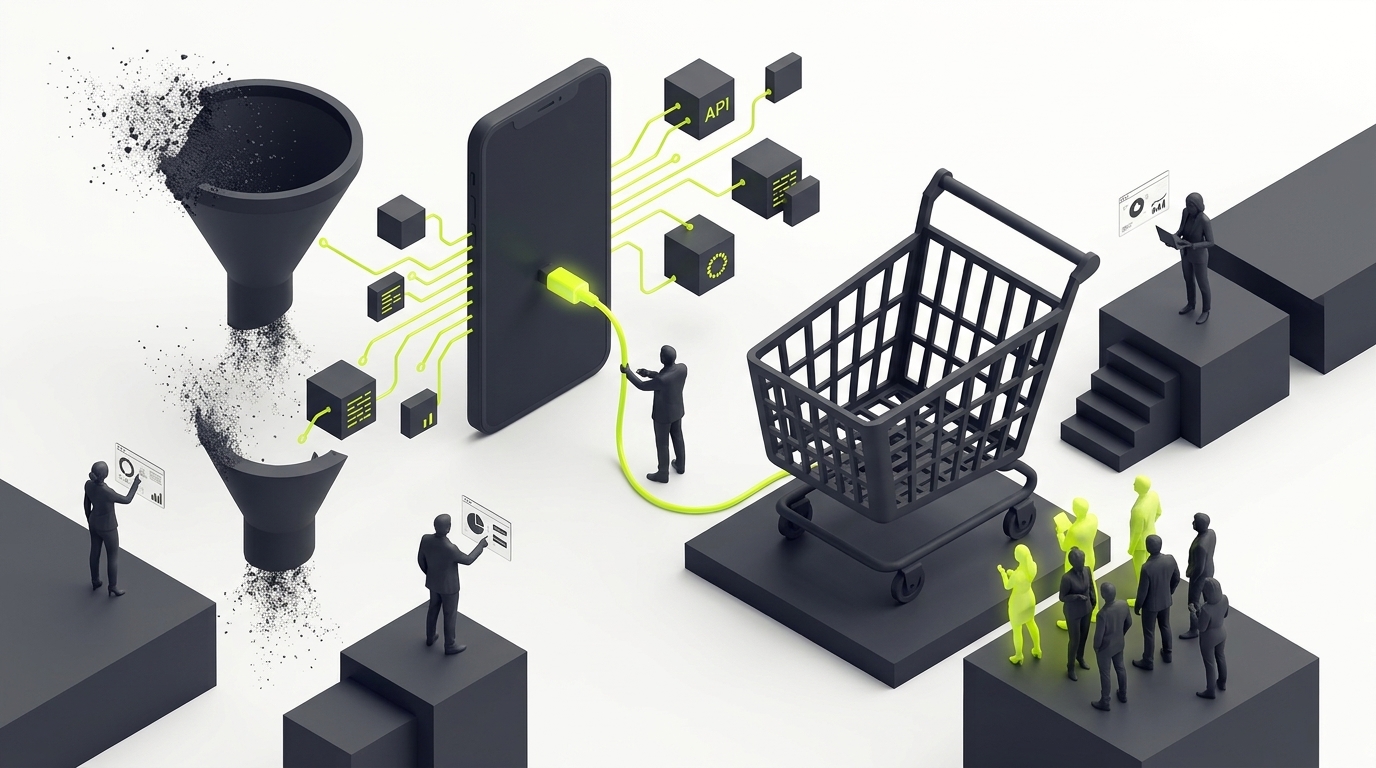
The Era of the Middleman Is Ending - One API at a Time
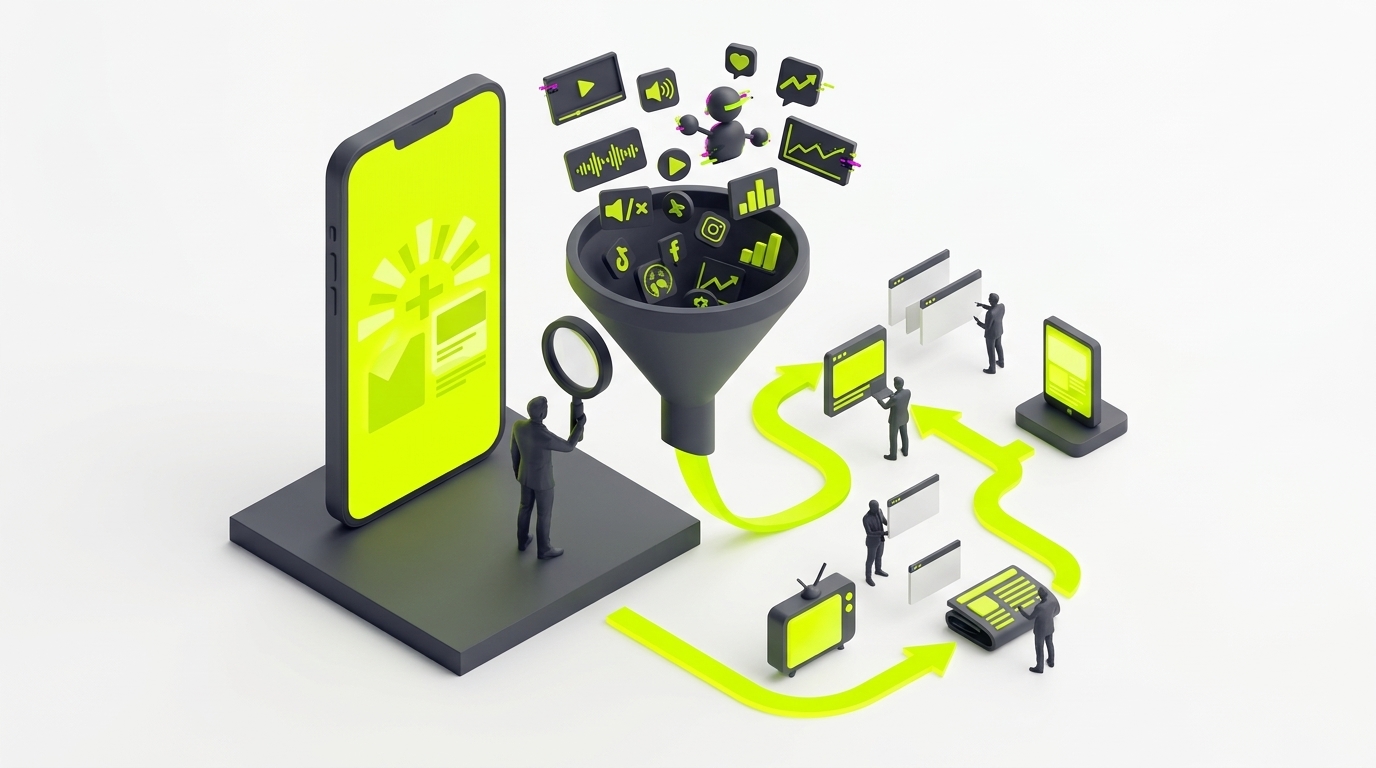
We are officially entering the era of the headless consumer. This week, the major AI updates didn't just promise faster pixels or smarter text - they quietly began rebuilding how brands are discovered, bought, and remembered. When search engines start talking directly to your shopping cart and synthetic avatars can pitch your strategy decks, the traditional, linear marketing funnel doesn't just leak - it ceases to exist. For creative strategists and marketing directors, the game is no longer about buying eyeballs on a search results page. It is about ensuring your brand is the most logical, frictionless choice when an AI agent makes the buying decision on behalf of a human.
1. Google Vids Deploys Synthetic Avatars for the Corporate Slide Deck
Google has officially integrated Gemini Omni and personal AI avatars into Google Vids. Instead of scheduling studio time or forcing a junior planner to read a script with a forced smile, you can now generate a synthetic version of yourself to present video pitches. In the demo, it looks like a frictionless way to scale internal communications and client updates. In reality, we must ask if this scale kills the very thing that makes a pitch work: genuine human conviction. If every agency can generate a flawless, synthetic video presentation in three minutes, the premium on physical presence, raw charisma, and unscripted, messy human interaction will actually skyrocket. Use it to automate the boring status updates, but keep your real face for the high-stakes rooms.
2. Google Search AI Mode Plugs Directly Into Instacart, Canva, and YouTube Music
In a move that should make every retail media director sit up, Google Search AI Mode now connects directly to external apps like Instacart, Canva, and YouTube Music. This is a massive shift in how Category Entry Points function. If a user asks Google for a dinner recipe, the AI doesn't just show a list of blogs with display ads; it populates an Instacart cart with specific ingredient brands. If your brand isn't the default choice in that automated handshake, you are invisible. This is a direct challenge to traditional SEO. The battleground is moving from keyword optimization to API integration and raw physical availability. If you are not in the database that the agent queries, you do not exist in the consumer's reality.
"The easiest option always wins, not the best one. When search engines start filling the shopping cart automatically, brand loyalty is no longer a psychological state - it is a default setting in an API."
3. Superhuman's AI Auto-Draft Sends 60% of Emails Unedited
Superhuman is now using Anthropic and OpenAI models to auto-draft 60% of emails unedited. For busy marketing directors, this is a massive productivity win. But look closer at the behavioral loop. We are rapidly entering a world where AI is writing emails that other AIs will summarize. If 60% of outbound communication is unedited corporate boilerplate, the value of a distinct, highly idiosyncratic brand voice goes through the roof. When everyone uses the same polite, optimized models to say "as per my last email," the brand that writes with genuine wit, sharp observations, and occasional, deliberate imperfection will be the only one that actually builds a memory structure in the recipient's brain.
4. Canva Code 2.0 Launches with 75% Faster Generation and HTML Import
Canva has shipped Canva Code 2.0, boasting a 75% speed increase and direct HTML import. This is a massive shift for creative production workflows. The distance between a strategic concept and a functional, live landing page has shrunk to a few minutes. While this is a dream for rapid testing and real-time relevance, it comes with a massive warning sign: optimization kills distinctiveness. If every brand can spin up ten landing pages a day based on real-time search trends, the internet will become a sea of identical, grey, highly optimized wallpaper. The win here is speed of execution, but only if the core creative idea is strong enough to survive the template.
5. Google Images Turns 25 with AI Galleries and In-Search Generation
To celebrate its 25th anniversary, Google Images has added an AI gallery and image generation directly into search results. For years, visual search was about finding existing assets. Now, users can generate the exact visual they want on the fly. For brands, this means your distinctive assets - your logos, your packaging, your specific color palettes - must be robust enough to be recognized even when mashed up in user-generated AI queries. It's a reminder that consistent brand cues matter more than ever. If your brand's visual identity is too complex or generic, the AI models won't be able to reproduce it when a user asks for your product in a novel, generated scenario.
6. Perplexity Adds Self-Improving Memory and Website Publishing
Perplexity has updated its platform with self-improving memory, Claude Fable 5, and direct web publishing. This is a major shift in the creator economy and content distribution. Instead of writing blogs to rank on Google, brands can now publish structured insights directly within the search tool itself. It is a closed-loop ecosystem where discovery and consumption happen in the same interface. The strategic move here is to stop treating your website as a destination and start treating your intellectual property as a feed that can be ingested, remembered, and republished by search agents.
7. NotebookLM Rebrands to Gemini Notebook with Deeper Cloud Integration
Google has rebranded NotebookLM to Gemini Notebook, adding cloud computer capabilities and deeper Workspace integration. This turns a neat research tool into a core strategic planning partner. You can now feed your entire brand archive, past campaign data, and competitive analysis into a secure, private notebook to stress-test your strategy before the pitch. It is an incredible tool for finding the missing conversation in a category - as long as you remember that the notebook can only analyze the past. It can tell you what has been done, but it cannot tell you what will make a human laugh, cry, or buy on Monday morning.
Your Action Item for Monday Morning
Stop optimizing your website for keywords and start auditing your brand's API readiness. Write a brief for your technical team to test how your product catalog, pricing, and availability data are structured for AI search agents. If a consumer asks Google's AI Mode to buy a product in your category on Instacart today, does your brand show up in the cart, or are you letting a competitor win the automated default setting?