Forget the expensive corporate manifestos. These five brilliant, under-the-radar campaigns from Cannes Lions 2026 won by using pure human psychology.
Every year, brand directors pack their linen shirts and fly to the south of France to congratulate themselves on making three-minute films about global harmony that absolutely nobody watched.
But if you dig past the heavy-spending tech giants and the tear-drenched charity spots, you find the real work. The work that did not require a nine-figure media budget or a solemn voiceover from a Hollywood actor. Here are five hidden gems from the Cannes Lions 2026 crop that proved a simple, contrarian understanding of human behavior beats a massive ad spend every single time.
---
1. Sea Cleaners: Reverse Media Schedules
Most environmental groups spend their budgets begging people to care - a strategy that fails because humans are beautifully, consistently selfish. Sea Cleaners took a different route. Instead of pleading, they used a brutal bit of jujitsu on the world's biggest brands.
They reframed branded plastic litter found in nature as unapproved, negative outdoor advertising. If a soda bottle is sitting on a pristine beach, that is a billboard. They sent "reverse media bills" to the offending multinational corporations, charging them for the ad space and offering to resolve the debt if they funded cleanup operations. It is a masterclass in how to Reframe the Problem. By shifting the context from moral guilt to corporate liability, they turned trash into a financial transaction.
2. Škoda: DuoBell
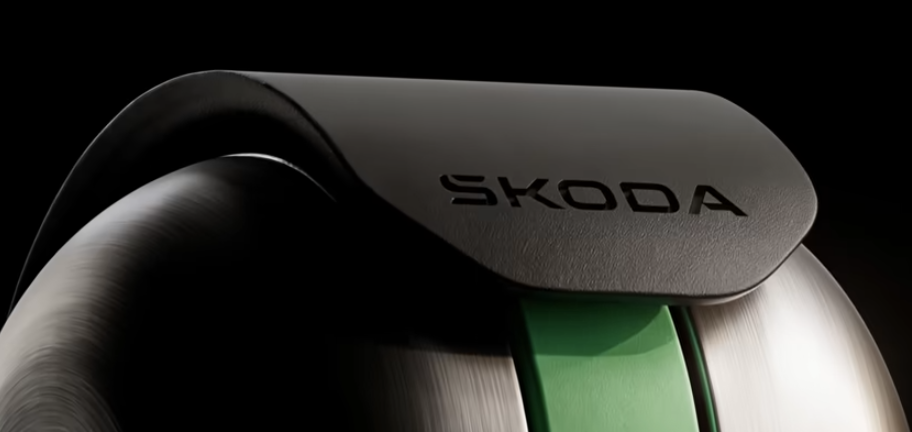
We live in a world where pedestrians wander through traffic wearing active noise-cancelling headphones, completely insulated from reality. The obvious corporate solution is to run an expensive public safety campaign warning people to look both ways. The Rory Sutherland solution is to build a better bicycle bell.
With Škoda: DuoBell, the automotive brand engineered a dual-frequency bike bell. One frequency is standard; the other is a specific pitch that bypasses modern noise-cancelling algorithms by mimicking the emergency frequencies the software is programmed to let through. It did not try to change human behavior - it worked with the messy reality of modern technology. This is how you Solve a Daily Annoyance while proving your brand cares about safety without running a single preachy TV spot.
3. Heineken: Tocayos Inc.
Big brands love to talk about supporting local communities, usually by printing a temporary logo on a shopping bag. Heineken looked at the fragmented landscape of independent neighborhood bars and noticed a weird, specific pattern: hundreds of them shared the exact same generic names.
With Heineken: Tocayos Inc., they united these independent, unconnected bars under their shared names, effectively creating a decentralized franchise network. Heineken then used its massive corporate scale to negotiate bulk supply discounts and provide professional business support to these mom-and-pop shops. This is the ultimate execution of Build an Utility, Not an Ad. It honors The Law Of Physical Availability by keeping the actual places where people buy beer alive and kicking.
4. McDonald's: Olympic Curry
During the Olympics, brands spend millions of dollars buying official sponsorships just to say "congratulations" in slightly different fonts. McDonald's France waited for a highly specific, high-stakes human moment to strike instead.
When American basketball superstar Stephen Curry almost single-handedly defeated the French national team in the gold medal game, McDonald's instantly threatened to ban their beloved Curry sauce across all French locations. The campaign, McDonald's: Olympic Curry, was a beautifully petty, real-time response that cost almost nothing to execute but dominated the cultural conversation. It is a textbook example of how to Hijack a Moment with pure, unadulterated wit.
5. O2: Daisy vs Scammers
Corporate cybersecurity ads are usually terrifying. They feature dark rooms, hooded figures, and binary code sliding down screens - which, of course, makes the average consumer tune out immediately. O2 decided to fight back using a 73-year-old grandmother named Daisy.
Except Daisy wasn't real. O2: Daisy vs Scammers was a lifelike, conversational AI grandmother trained to answer scam calls and keep the fraudsters on the line for hours talking about her fictional grandchildren and knitting habits. By wasting the scammers' time, O2 protected real people from being targeted. It is brilliant because it uses Use Absurd Logic and Use the Brand As a Character to turn a dry, technical utility into highly entertaining, shareable content.
---
The Strategic Breakdown
Let us look at how these campaigns stack up when we strip away the agency puffery and look at the actual marketing science behind them:
Campaign | Creative Strategy Technique | Core Marketing Law Applied | Why It Worked |
|---|---|---|---|
Sea Cleaners | Turned moral guilt into a media bill brands couldn't ignore. | ||
Škoda DuoBell | Created a physical tool instead of trying to educate distracted walkers. | ||
Heineken Tocayos | Protected the actual physical retail spaces where the product is consumed. | ||
McDonald's Curry | Traded expensive sponsorship assets for a single, perfect cultural joke. | ||
O2 Daisy | Turned boring cybersecurity warnings into a hilarious, public spectator sport. |
"The best ideas don't try to fix human nature. They accept that humans are lazy, distracted, and easily amused - and then they build something useful anyway."
If you are still sitting in a sterile meeting room trying to write a manifesto about how your organic fruit juice is going to heal the planet, please stop. Take a breath. Look at the actual behavior of the people you are trying to reach or check the winners in our library.