From Verizon's slasher parody to Lipton's emoji war, we break down the most creative (and slightly unhinged) campaigns from March and April.
Creativity Isn't Dead, It Just Smells Like Pickles and Peach Tea
If you spent the last two months looking at spreadsheets and waiting for the AI to take your job, you missed a golden era of advertising madness. March and April didn't just give us ads; they gave us cinematic horror, emoji activism, and the most confusing heist in the history of snack foods. It seems the industry finally remembered the Law Of Being Ignored: the only thing worse than a bad ad is a safe one.
At Selfstorming, we’ve been tracking the chaos in our campaign library. Let’s dive into the five campaigns that actually made us stop scrolling and feel something other than existential dread.
1. Verizon: Look Behind You
Verizon decided that the best way to sell network reliability was to traumatize us. Partnering with director Nia DaCosta, they created a 4.5 - minute horror short titled Verizon: Look Behind You. The premise? A man settles into a remote cabin and accidentally triggers a series of terrifying smart-home hauntings via repeated "butt dials."
Take a closer look at the campaign breakdown here.
2. Lipton: Respect the Peach
In a world of serious brand purpose, Lipton went the other way. They hired Ice-T to demand that the internet stop using the peach emoji to represent... well, you know. Lipton: Respect the Peach is a brilliant example of how to Find the Cultural Truth. They took a digital shorthand everyone uses and made it the enemy.
"It's not an emoji, it's a fruit. Act like you know." - Ice-T (probably)
This campaign uses the Wordplays mechanic to reclaim a symbol, proving that sometimes the best way to get attention is to pick a fight with a keyboard character.
3. Cheetos: Pickle’s Back
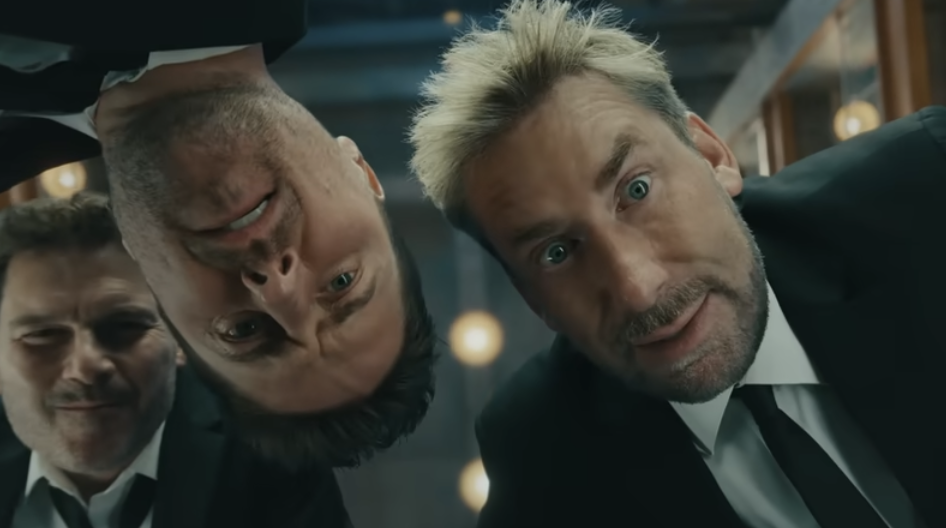
What happens when you mix Megan Thee Stallion, Nickelback, and a misunderstanding of the term "pickle back"? You get Cheetos: Pickle’s Back. By smashing together two completely different fanbases, Cheetos ensured they weren't just seen - they were debated.
It follows the Law Of Fame. Cheetos didn't try to convince you that pickle-flavored snacks are a culinary breakthrough; they just made sure you couldn't stop thinking about a surreal heist music video. It’s weird, it’s loud, and it works.
Curious to learn more? Dive deeper into the campaign here.
4. Ginsters: Taste the Effort
Ginsters took the Character mechanic to its logical, awkward extreme. In Ginsters: Taste the Effort, we meet a quirky farmer who applies absurd corporate management fads to her traditional Cornish farm. It’s a beautiful satire of the very industry that created it.
They used the Attack a Boring Truth technique. Instead of showing slow-motion shots of wheat, they showed the absurdity of trying to "optimize" tradition. It makes the brand feel human, mostly because it makes fun of people who aren't.
5. Dollar Shave Club: We’ve Got Your Back
Finally, Dollar Shave Club returned to their roots of being the smartest person in the room. In We’ve Got Your Back. And Your Bikini Line., they ditched the "pink tax" fluff and went for Brutal Honesty. They positioned their razors as a high-performance upgrade from the glittery marketing gimmicks usually sold to women.
This is classic Take a Shot at the Competition. They didn't just sell a razor; they sold a rebellion against bad marketing. It aligns perfectly with the Distinctiveness Law – they aren't just different; they are unmistakable.
The Takeaway for Creatives
The common thread here? None of these brands are playing it safe – admitting a quirk or leaning into a relatable flaw to build trust. If your current brief feels like a warm glass of milk, maybe it’s time to throw a Creative Session at it and see if you can't find a monster in the cabin or a reason to hire Ice-T.
Stop being boring. Your budget will thank you.