2026Musée de la Grande GuerreNot-for-Profit & GovernmentCase video
Musée de la Grande Guerre: Broken Souls
Musée de la Grande Guerre tasked BBDO Paris with making WWI history emotionally relevant to younger generations. The client needed to shift the narrative from traditional heroism to the reality of psychological trauma. The goal was to increase museum engagement by connecting historical mental health struggles to contemporary awareness, ensuring the museum remained a vital, resonant space for modern visitors.
Creative Idea
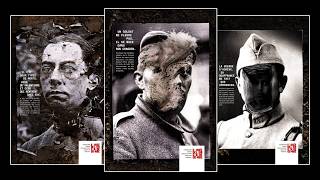
Portraits were physically destroyed to represent the invisible mental trauma of WWI soldiers.
To make WWI psychological trauma tangible for younger generations, the museum physically destroyed historical soldier portraits using methods mirroring their mental suffering, transforming abstract historical facts into visceral, empathetic experiences that bridge the gap between past trauma and modern mental health.
Physical Trials for Invisible Mental Wounds
Sculpting Trauma Through Chemical Destruction
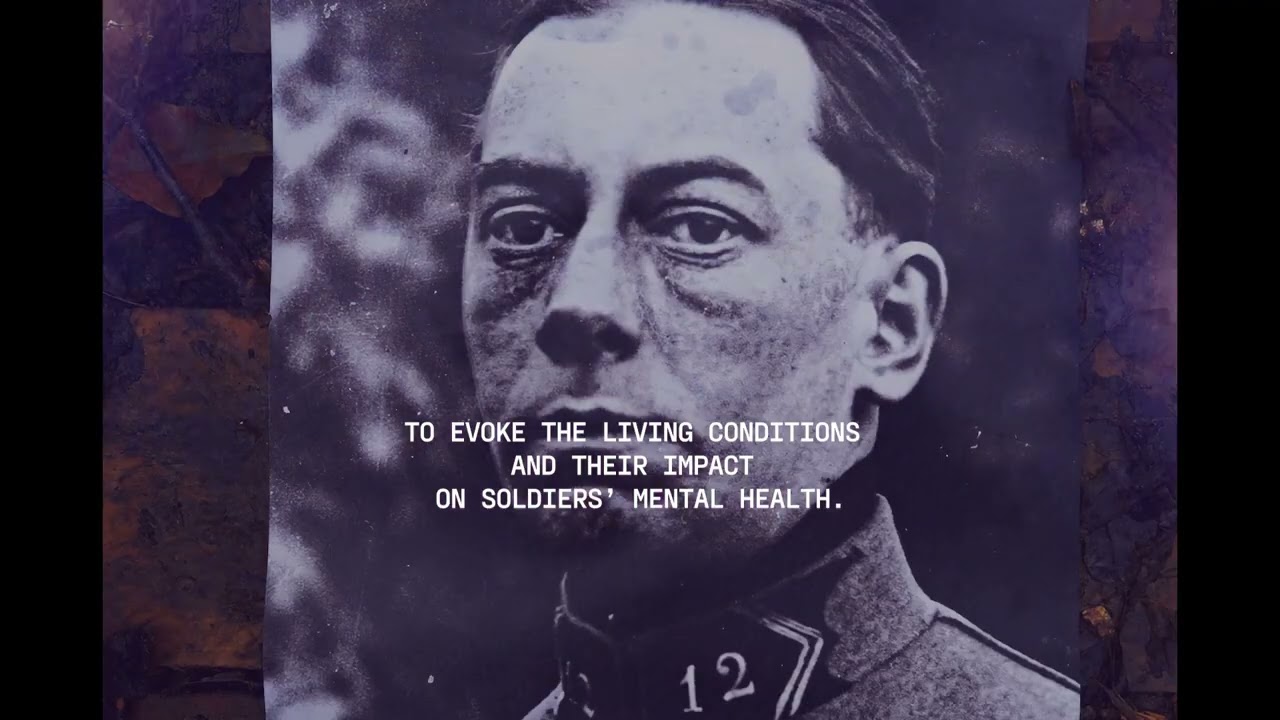
To avoid the artificiality of digital effects, the agency rejected Generative AI in favor of physical experimentation. The "Suffering" installation involved printing a single soldier portrait 1,916 times, referencing the year 1916, then hand-cutting and layering the sheets to create a 3D trench. For "Distress," a portrait was buried in a real trench for 10 days to allow natural decay. The "Sorrow" piece was subjected to continuous solvent droplets for 24 hours, mimicking the relentless rhythm of artillery fire during the Battle of the Somme.
Cinematic and Auditory Collaboration
The campaign expanded in April 2026 with the film Le Poilu Victorieux, voiced by actor Finnegan Oldfield. The film features an original score titled "Remains" by Oscar-winning composer Volker Bertelmann. Beyond the visuals, the project included a three-part mini-documentary series exploring the histories of Anthelme Mangin, Baptiste Deschamps, and Ernst Jünger. These segments provided historical grounding by featuring input from psychiatrists, historians, and descendants of veterans.
Digital Engagement and Cultural Timing
The project launched during the 110th anniversary of the Battles of Verdun and the Somme, aligning with France designating 2026 as the year of Mental Health as the National Great Cause. The digital strategy proved effective, with the campaign website generating 6,818 views, accounting for 23% of the museum's total traffic. The content reached a high level of interaction on professional networks, securing 1,249 engagements and 1,013 clicks. By bridging historical trauma with contemporary mental health awareness, the campaign successfully shifted the museum's narrative from traditional heroism to the human cost of war.
4C Framework deconstruction
Company
The museum possessed authentic historical archives and the authority to reframe WWI memory beyond traditional heroic narratives.
Category
Museums typically rely on static, fact-based exhibits that often feel distant and disconnected from younger, empathy-driven generations.
Customer
Younger audiences seek emotional relevance and personal connections to history rather than dry, academic recitations of facts.
Culture
The 2026 designation of mental health as a national priority in France created an urgent context for this conversation.
Company
The museum possessed authentic historical archives and the authority to reframe WWI memory beyond traditional heroic narratives.
Category
Museums typically rely on static, fact-based exhibits that often feel distant and disconnected from younger, empathy-driven generations.
Strategy:
Translate abstract historical trauma into visceral physical experiences to foster modern empathetic engagement.
Customer
Younger audiences seek emotional relevance and personal connections to history rather than dry, academic recitations of facts.
Culture
The 2026 designation of mental health as a national priority in France created an urgent context for this conversation.
Strategy:
Translate abstract historical trauma into visceral physical experiences to foster modern empathetic engagement.
Strategy Technique
Make the Invisible Visible
The strategy identifies that WWI trauma is often ignored or misunderstood as purely physical. By manifesting mental pain through physical decay, the campaign forces an emotional confrontation with a previously abstract historical reality.
Explore Technique
Creative Technique
Use Art
The campaign transforms historical portraits into physical art pieces through destructive processes. This artistic intervention makes invisible psychological trauma tangible and emotionally resonant for modern audiences.
Explore Technique
Craft Breakdown
This campaign elevates print and outdoor design by turning physical degradation into a powerful storytelling medium, literally translating psychological trauma into physical art objects.
Innovative physical print processes—such as 3D paper trench sculpting and solvent-drip installations—transform standard posters into striking sculptural commentary on trauma.
The stark, somber aesthetic meticulously connects archival war photography with tangible physical damage across three distinct artistic executions.