2025ShelterNot-for-Profit & Government
Shelter: Earworm
Shelter tasked Don’t Panic with creating a Christmas appeal that moved beyond traditional shock tactics. The goal was to make the hidden, systemic limbo of temporary accommodation visible to the UK public. The agency needed to convey the profound psychological toll on families without relying on dry statistics, aiming to drive empathy and fundraising during a critical winter period.
Creative Idea
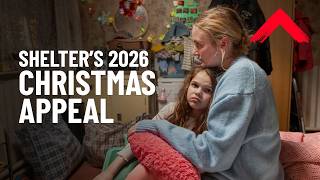
An annoying song becomes the sound of a mother's endless, failed housing support calls.
The campaign reframes the psychological limbo of temporary accommodation by turning a child's persistent, annoying earworm into the agonizing reality of looping hold music from a failing housing system, building empathy through the shared frustration of being ignored.
Turning A Power Ballad Into A Systemic Nightmare
Casting For Raw Authenticity
The creative team initially considered hiring a trained child dancer to execute the choreography. However, they ultimately selected Henry Bell, a 10-year-old from Blackpool, specifically because he lacked formal training. By choosing an untrained actor, the agency ensured the boy’s movements remained natural and energetic rather than polished. This decision grounded the film in a sense of lived experience, avoiding the artificiality often found in high-budget seasonal advertising.
Subverting The Christmas Ad Trope
To distinguish the campaign from the glitzy, music-heavy commercials typical of the UK holiday season, the team opted for an a cappella performance of Bonnie Tyler’s Total Eclipse of the Heart. Associate Creative Director Georgia Stephenson noted that the song was chosen because it functions as a genuine earworm that could plausibly serve as automated hold music. The choice of an 1980s power ballad also provided a narrative layer, as the song is not one a child would naturally know, highlighting the intrusive nature of the hold music he has been forced to listen to repeatedly.
A Collaborative Production Effort
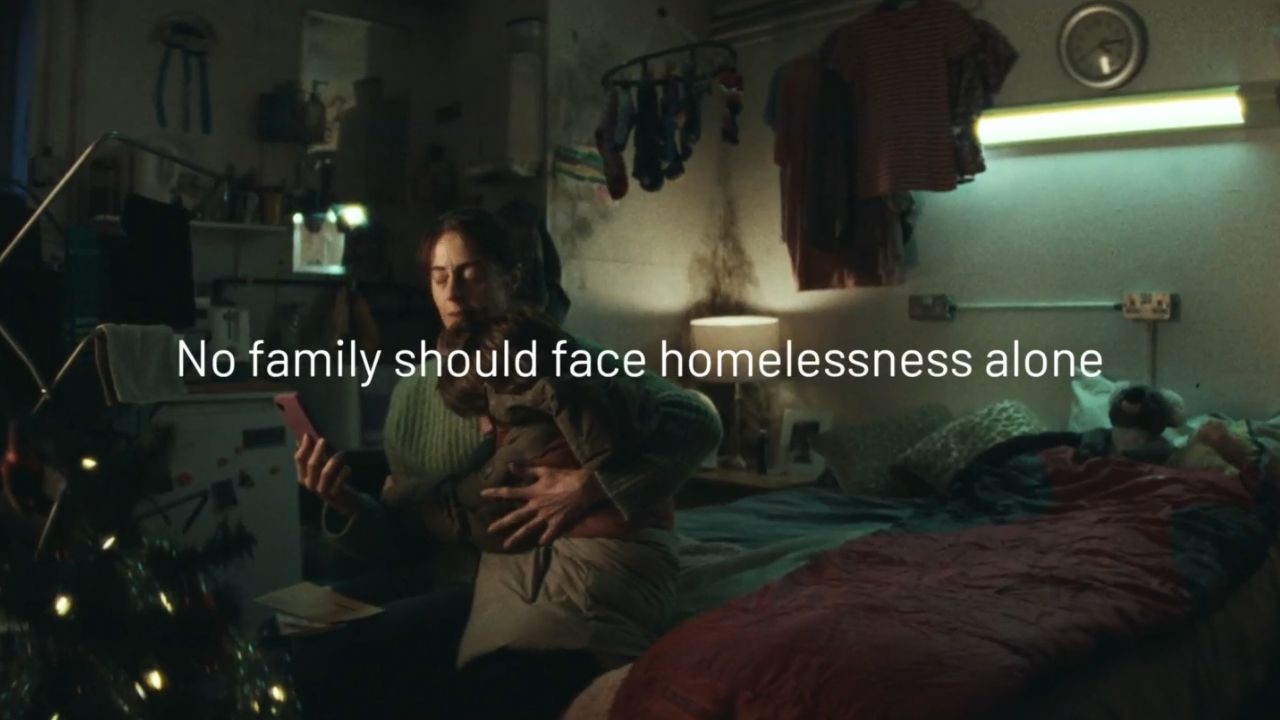
The film was directed by Michael Gracey, known for his work on *The Greatest Showman*. The script was written specifically with Gracey in mind, and the production relied on a lean charity budget. To maintain authenticity, the team consulted directly with families who have lived experience in temporary accommodation. This collaboration ensured that the depiction of the mother’s struggle - repeatedly calling housing services while trapped in a cramped room - remained a faithful representation of the 84,240 families facing similar conditions in England. This project marked the 5th consecutive year of partnership between Shelter and Don’t Panic.
4C Framework deconstruction
Company
As the leading UK housing charity, Shelter possessed the authority to expose the systemic failures within temporary accommodation services.
Category
Charity advertising often relies on shock tactics or dry statistics to highlight homelessness, which frequently leads to audience desensitization.
Customer
The public felt disconnected from the hidden, psychological reality of families trapped in the unresponsive, bureaucratic limbo of temporary housing.
Culture
The campaign launched during the Christmas season, subverting the expectation of festive joy by highlighting the isolation of families in limbo.
Company
As the leading UK housing charity, Shelter possessed the authority to expose the systemic failures within temporary accommodation services.
Category
Charity advertising often relies on shock tactics or dry statistics to highlight homelessness, which frequently leads to audience desensitization.
Strategy:
Expose systemic failure by linking a mundane, universal frustration to an overlooked, hidden human crisis.
Customer
The public felt disconnected from the hidden, psychological reality of families trapped in the unresponsive, bureaucratic limbo of temporary housing.
Culture
The campaign launched during the Christmas season, subverting the expectation of festive joy by highlighting the isolation of families in limbo.
Strategy:
Expose systemic failure by linking a mundane, universal frustration to an overlooked, hidden human crisis.
Results
The campaign achieved record-breaking winter fundraising income for Shelter, significantly exceeding target goals. It successfully acquired thousands of new individual donors across integrated channels including TV, DRTV, PR, and digital. The campaign effectively highlighted the crisis facing 84,240 families in England, including over 119,000 children, trapped in unstable temporary accommodation. It boosted brand recall and distinction against commercial advertisers who outspend the charity by margins of up to 5 to 1. Additionally, the campaign received industry recognition, including a Bronze British Arrows Award for Charity & Public Service and recognition at the Purpose Awards and Gerety Awards.
84,240
Families in England trapped in temporary accommodation highlighted
5:1
Ratio of commercial ad spend vs. Shelter's budget
119,000
Children living in unstable temporary accommodation
Strategy Technique
Make the Invisible Visible
It exposes the hidden, psychological toll of temporary housing by connecting a common, annoying experience to a systemic failure. This makes a complex, abstract problem feel immediate and personally relatable.
Explore Technique
Creative Technique
Unexpected audio
The campaign uses the diegetic sound of hold music to transform a catchy song into a symbol of bureaucratic neglect. This audio shift forces the audience to experience the mother's frustration viscerally.
Explore Technique
Craft Breakdown
The campaign's craft is exceptional for its subversion of holiday advertising tropes, using a raw, diegetic a cappella performance to transform a pop culture earworm into a visceral metaphor for bureaucratic neglect.
The narrative structure masterfully pivots from a charming schoolboy trope to a devastating systemic critique through the reveal of the hold music.
The choice of an untrained 10-year-old actor provided an authentic, raw energy that grounded the film in lived experience rather than polished spectacle.
The use of a cappella vocals creates an intrusive, uncomfortable atmosphere that distinguishes the film from high-budget, music-heavy seasonal campaigns.
Director Michael Gracey applied cinematic language to intimate, everyday locations to elevate the emotional stakes of the child's performance.
“The synergy between the casting of an untrained actor and the diegetic a cappella sound design creates a sense of uncomfortable realism that forces the viewer to confront the psychological toll of homelessness.”