2026Kids Help PhoneNot-for-Profit & GovernmentCase video
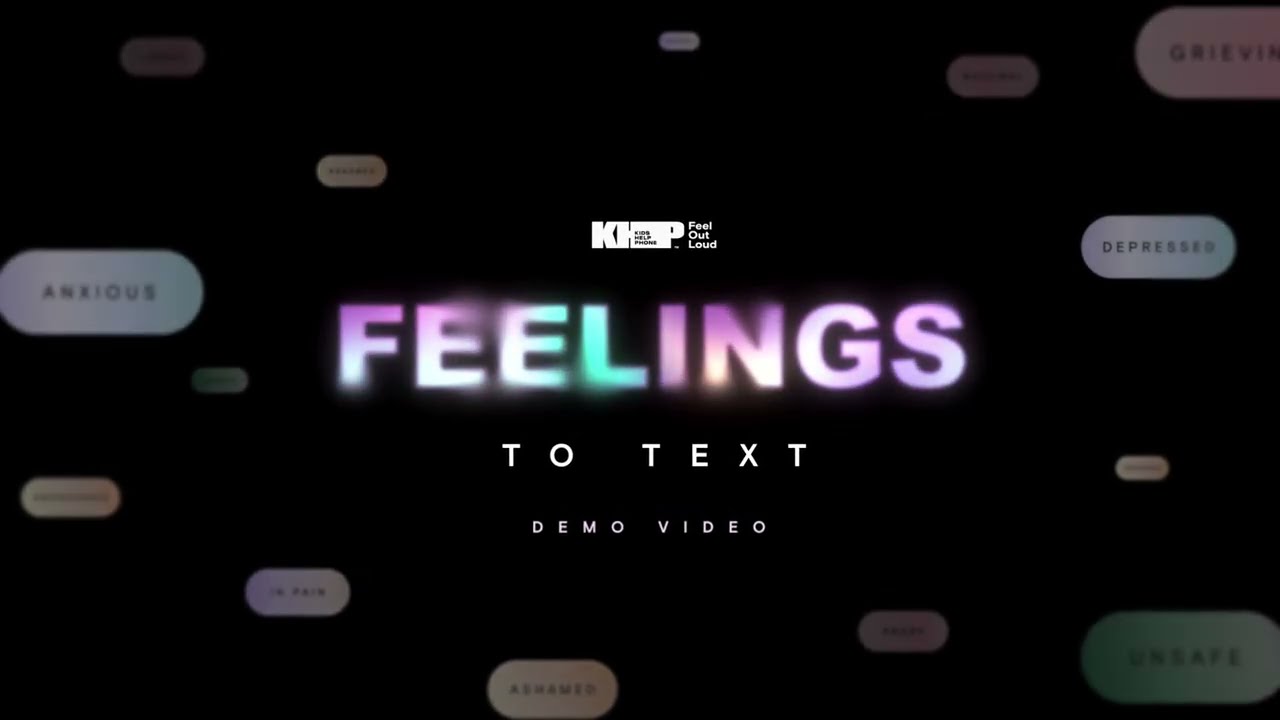
Kids Help Phone: Feelings To Text
Kids Help Phone faced a critical challenge: youth in crisis were unable to reach out because they found it too difficult to articulate their feelings about self-harm. McCann Canada was tasked with lowering the barrier to entry for support. The objective was to create a discreet, accessible way for young people to initiate a conversation with a crisis responder without the pressure of composing a message from scratch.
Creative Idea
Interactive video subtitles allowed users to draft help-seeking texts by simply tapping emotional tags.
Kids Help Phone created a digital platform that turns interactive video stories into pre-drafted text messages, allowing youth struggling with self-harm to reach out for support without the barrier of having to type or articulate complex emotions themselves.
Turning Brand Safety Filters Into Lifelines
Inverting The Ad Tech Playbook
The campaign fundamentally challenged the industry standard of brand safety. Traditionally, advertisers use programmatic filters to block content associated with sensitive topics like self-harm. McCann and Epitaph Group flipped this logic by utilizing Silverpush’s contextual AI to actively identify videos containing these sensitive themes. Instead of avoiding these spaces, the team placed supportive resources directly alongside the content, effectively turning a mechanism usually reserved for corporate risk management into a vital intervention tool for youth in distress.
Privacy Through Mobile Architecture
The production team prioritized user anonymity by implementing a mobile-first UX architecture. Recognizing that youth often share devices or access the internet in public spaces, the desktop experience was intentionally limited. Visitors on desktop were greeted by a dynamic QR code that forced a transition to a mobile device. This ensured that the actual process of drafting and sending a text message to a Kids Help Phone responder remained a private, discreet experience on the user's personal smartphone.
Removing The Verbal Barrier
The project addressed a staggering statistic: while emergency room visits for youth self-harm rose by 975% over six years, only 1 in 10 text messages to the service addressed self-harm. The creative team identified that the primary barrier was the difficulty of articulating complex, painful emotions. By creating an interface where users could simply tap keywords within interactive subtitles, the campaign removed the need for youth to type or compose a single word, allowing them to initiate life-saving conversations during moments of acute crisis.
4C Framework deconstruction
Company
Kids Help Phone leveraged its trusted reputation and existing crisis infrastructure to provide a safe, accessible digital bridge for youth.
Category
Mental health organizations typically rely on static awareness campaigns or generic hotlines that require high effort from users in crisis.
Customer
Youth experiencing self-harm felt paralyzed by the inability to articulate their pain, fearing the vulnerability of starting a conversation.
Culture
The rise of digital-first communication and the increasing prevalence of youth mental health crises necessitated a more accessible, non-verbal intervention.
Company
Kids Help Phone leveraged its trusted reputation and existing crisis infrastructure to provide a safe, accessible digital bridge for youth.
Category
Mental health organizations typically rely on static awareness campaigns or generic hotlines that require high effort from users in crisis.
Strategy:
Remove the friction of articulation to enable immediate access to essential support services.
Customer
Youth experiencing self-harm felt paralyzed by the inability to articulate their pain, fearing the vulnerability of starting a conversation.
Culture
The rise of digital-first communication and the increasing prevalence of youth mental health crises necessitated a more accessible, non-verbal intervention.
Strategy:
Remove the friction of articulation to enable immediate access to essential support services.
Strategy Technique
Build an Utility, Not an Ad
By creating a tool that facilitates the act of seeking help, the campaign moves beyond awareness into direct intervention. It solves the core barrier of communication by providing a functional, low-friction pathway to support.
Explore Technique
Creative Technique
Unexpected Utility
The platform functions as a functional tool rather than a traditional advertisement. It directly solves the friction of communication for youth in crisis by automating the outreach process.
Explore Technique
Craft Breakdown
This digital innovation removes the emotional barrier of reaching out for mental health support by turning real stories into interactive, text-generating subtitles.
The seamlessly integrated interactive subtitles directly map video content to a pre-populated native text message.
The clean dark-mode visual interface uses gentle gradients to make sensitive topics feel safe and accessible.