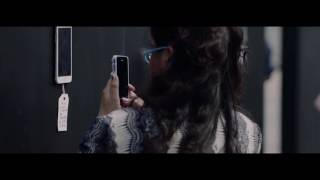
2025Shine FoundationNot-for-Profit & GovernmentCase video
Shine Foundation: Scarlette’s Palette
Shine Foundation and agency Mint sought to fulfill the 9,000th dream for a blind teenager named Scarlette. The challenge was to move beyond a simple makeover and address the lack of accessibility in the beauty industry. The client wanted to create a meaningful, lasting impact for the visually impaired community while highlighting the foundation's commitment to empowering youth living with disabilities.
Creative Idea
A tactile makeup palette gave blind users independent access to beauty for the first time.
Shine Foundation partnered with Cheekbone Beauty to create the world's first tactile makeup palette for the blind. By transforming a dream into an accessible product, they exposed the beauty industry's exclusion of visually impaired users and sparked a movement for universal design.
Designing Beauty Beyond The Visual Spectrum
Engineering Tactile Independence
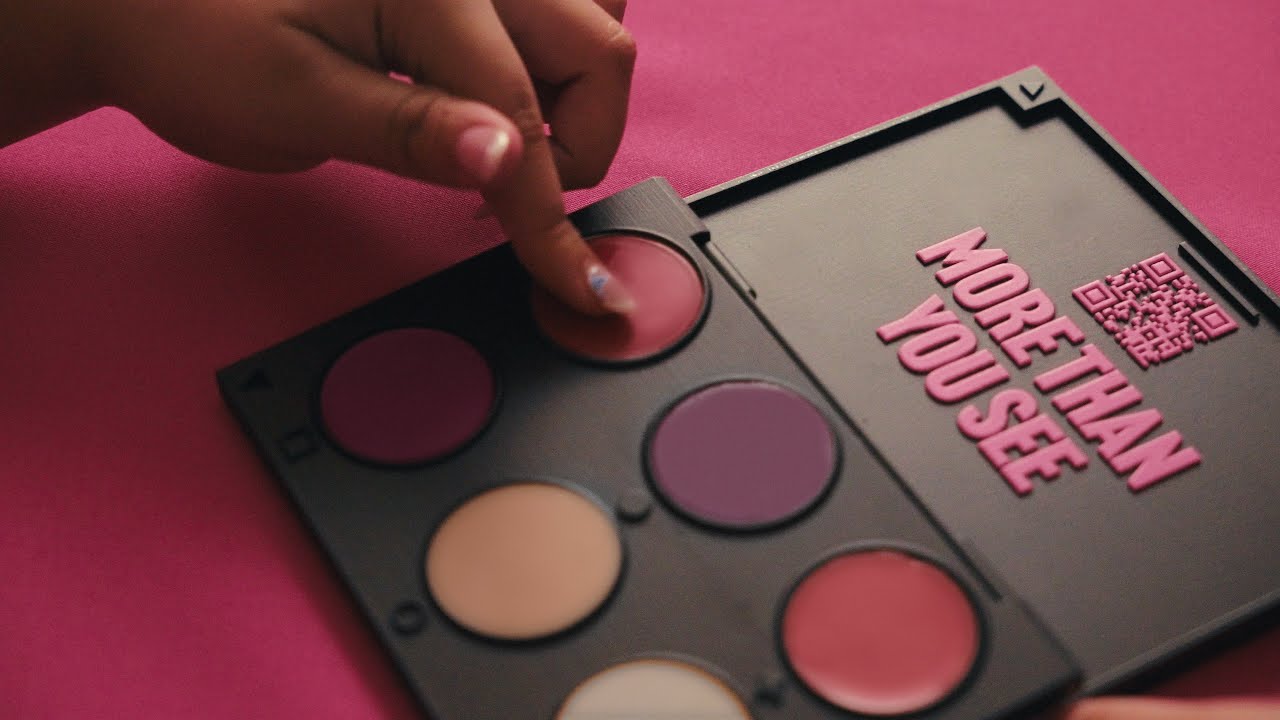
To overcome the high cost of traditional manufacturing, the team bypassed expensive metal molds by utilizing 3D printing technology for the palette’s components. This allowed for rapid prototyping of complex tactile features, such as raised directional arrows that guide users on how to orient the container. The design intentionally avoided Braille, as advised by the Canadian National Institute for the Blind (CNIB), because it occupies too much surface area and is not universally read by all low-vision individuals. Instead, the palette uses geometrical shapes under each color pan to identify specific shades.
A Blueprint For Inclusive Design
The campaign was not merely a one-off gift for Scarlette, but a strategic effort to challenge the beauty industry to adopt universal design standards. By integrating a raised QR code that links to an interactive audio description guide, the product transforms makeup application from a dependent service into an autonomous skill. Patrice Pollack, Executive Creative Director at Mint, noted that the project was about providing access to beauty on the user's own terms rather than simply performing a makeover.
Production And Reach
The initiative launched on World Sight Day, October 9, 2025, with a 60-second hero film directed by Paul Short and produced by Partners Film. The campaign achieved significant national visibility through placements in Cineplex cinemas and coverage in major outlets including CBC and Elle Magazine. This effort served as the public celebration of the Shine Foundation’s 9,000th dream, effectively shifting the narrative of disability from charity to capability by proving that accessibility is a core component of innovation.
4C Framework deconstruction
Company
Shine Foundation leveraged its mission of granting dreams to bridge the gap between personal aspiration and industry-wide product innovation.
Category
The beauty industry typically ignores accessibility, designing products solely for sighted users while overlooking the needs of the visually impaired.
Customer
Visually impaired individuals felt excluded from self-expression, desiring tools that allow for independent participation in beauty rituals and trends.
Culture
The growing cultural demand for inclusive design and disability representation made this innovation a powerful statement on World Sight Day.
Company
Shine Foundation leveraged its mission of granting dreams to bridge the gap between personal aspiration and industry-wide product innovation.
Category
The beauty industry typically ignores accessibility, designing products solely for sighted users while overlooking the needs of the visually impaired.
Strategy:
Expose systemic exclusion by creating functional tools that force industries to adopt universal design standards.
Customer
Visually impaired individuals felt excluded from self-expression, desiring tools that allow for independent participation in beauty rituals and trends.
Culture
The growing cultural demand for inclusive design and disability representation made this innovation a powerful statement on World Sight Day.
Strategy:
Expose systemic exclusion by creating functional tools that force industries to adopt universal design standards.
Strategy Technique
Make the Invisible Visible
The campaign highlighted the overlooked reality that beauty products are designed exclusively for sighted users. By exposing this industry-wide blind spot, it turned a personal wish into a call for systemic accessibility.
Explore Technique
Creative Technique
Invent a Complementary Product
The campaign created a physical, tactile makeup palette to solve the specific accessibility friction faced by the protagonist. This tangible innovation turned a personal dream into a functional tool for the entire blind community.
Explore Technique
Craft Breakdown
This campaign excels through groundbreaking product design and sensory accessibility, physically re-engineering standard cosmetic packaging to empower visually impaired users.
The physical innovation incorporates tactile guide arrows, raised edges, tactile color symbols, and wide spacing to create an inherently accessible cosmetic experience.
Integrates a tactile QR code system providing an audio-guided experience designed specifically around the user journey of blind individuals.
“The combination of industrial tactile design and accessible digital audio guidance creates a holistic user experience for visually impaired consumers.”