2018The Velux GroupConsumer GoodsVideo ad
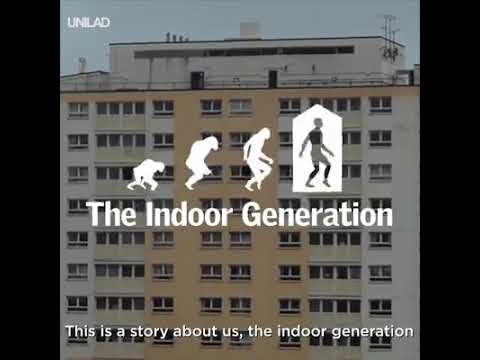
The Velux Group: The Indoor Generation
The VELUX Group needed to shift consumer perception from treating skylights as expensive luxury design choices to seeing them as essential health additions. Working with agency &Co. / NOA, the brand aimed to increase global brand awareness across 41 markets by raising public concern over home environment quality and driving demand for daylight and fresh air solutions.
Creative Idea
Exposed the alarming health consequences of modern society spending 90 percent of life indoors.
VELUX transformed a simple roof window product ad into a haunting public service announcement. Narrated by a child, the dystopian video revealed how humanity inadvertently trapped themselves inside, sparking global conversation about the hidden health risks of indoor living.
The 90 Percent Lie That Redefined Home Improvement Marketing
Shooting Dystopia in New Zealand
Directed by Martin de Thurah and shot by Director of Photography Kasper Tuxen, the haunting centerpiece film was shot on location at the *Jagged Edge* (the Glasshouse) in Queenstown, New Zealand, overlooking Lake Wakatipu. Executive Producer Mette Jermiin oversaw the production for Copenhagen-based Bacon, bringing to life a narrative set in a dystopian tone. The script was delivered through the perspective of a young child, detailing how humanity gradually withdrew indoors, sealing spaces with artificial lighting, screens, and chemical room sprays while inadvertently trapping dangerous pollutants.
Uncovering the 90 Percent Indoor Trap
 The campaign was built on consumer perception data compiled by &Co. / NOA using research from the University of Oxford, Harvard University, Fraunhofer IBP, and a global YouGov survey of 16,000 respondents across 14 countries. While people surveyed believed they spent only 18% to 36% of their lives inside, the data revealed humanity actually spends roughly 90% of their lives indoors (over 21 hours a day), where air can be up to 5 times more polluted than outside air. Creative Director Robert Cerkez noted, "When we saw the mass of research and data, we were horrified... We decided to prioritize a public health message over traditional window sales."
Media Reach and Behavioral Change
Rolled out across 41 countries with PR execution by Weber Shandwick and international rollout by Ogilvy, the film generated over 110 million views and 1.1 million social engagements, becoming the #1 performing paid partnership branded video in the UK in 2018. Supported by UK medical spokesperson Dr. Hilary Jones, the work earned over 2,100 media placements in outlets like *The New York Times* and *The Huffington Post*. The campaign drove a 10% lift in consumers prioritizing daylight and fresh air for home upgrades, alongside a 9% to 13% boost in unaided brand awareness across key European markets.
Creative Strategy Deconstructed
Company
VELUX possessed deep expertise in natural ventilation and daylighting, positioning them to champion healthy indoor environments.
Category
Building material brands focused on product specifications, functional architecture features, and traditional home renovation benefits.
Customer
People believed they spent ample time outside, unaware they actually spent 90 percent of their lives indoors.
Culture
Growing global awareness around wellness, mental health, and urban pollution created ripe conditions for a public health narrative.
Company
VELUX possessed deep expertise in natural ventilation and daylighting, positioning them to champion healthy indoor environments.
Category
Building material brands focused on product specifications, functional architecture features, and traditional home renovation benefits.
Strategy:
Reframe roof windows from architectural upgrades to vital health interventions by exposing indoor living hazards.
Customer
People believed they spent ample time outside, unaware they actually spent 90 percent of their lives indoors.
Culture
Growing global awareness around wellness, mental health, and urban pollution created ripe conditions for a public health narrative.
Strategy:
Reframe roof windows from architectural upgrades to vital health interventions by exposing indoor living hazards.
Strategy Technique
Attack a Cultural Blind Spot
It directly called out society's unquestioned habit of spending 90 percent of time indoors, exposing the unknown health risks trapped inside modern homes.
Explore Technique
Creative Technique
Dramatize the Problem
The campaign uses a chilling, dystopian narrative format to turn the invisible dangers of modern indoor environments into an urgent, alarming crisis.
Explore Technique
Craft Breakdown
Director Martin de Thurah creates a hauntingly beautiful dystopian visual landscape, anchored by an evocative child voiceover performance that transforms health statistics into cinematic drama.
Kasper Tuxen's moody lighting and claustrophobic interior framing vividly capture humanity's self-imposed indoor confinement.
The poetic yet sinister narrative script balances emotional vulnerability with stark medical facts.
Meticulously crafted dioramas and sealed glass environments visually represent toxic trapped air and modern indoor habits.
An atmospheric audio mix magnifies oppressive indoor noises like spraying aerosols, hissing radiators, and heavy insulation.
“The haunting visuals combine with claustrophobic sound design and poetic narration to build an immersive, wake-up call experience.”