The Ordinary: The Periodic Fable
The Ordinary tasked Uncommon Creative Studio with addressing consumer distrust in the beauty industry. The goal was to combat the prevalence of pseudo-scientific marketing claims and position the brand as the champion of transparency. The campaign needed to educate consumers on how to distinguish between scientific fact and marketing fiction, ultimately building deeper trust with an audience tired of empty promises.
Creative Idea
The brand turned deceptive beauty marketing buzzwords into a satirical periodic table.
The Ordinary exposed the beauty industry's pseudo-scientific marketing jargon by creating a satirical periodic table of 49 fake elements, forcing consumers to distinguish between empty marketing stories and actual scientific truth to drive radical industry transparency.
Decoding The Fable Behind The Buzzwords
A Dystopian Classroom Aesthetic
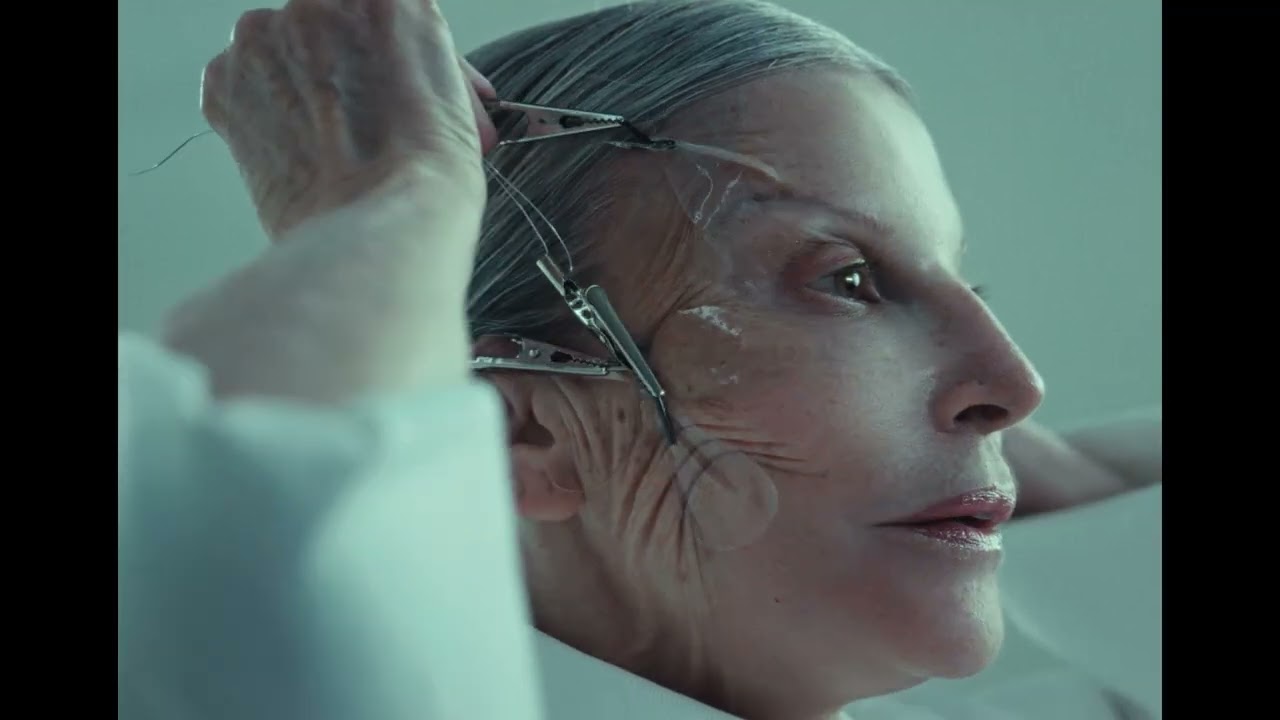
Director Olivia De Camps drew heavy inspiration from 1970s sci-fi classics like THX 1138 and Brazil to craft the campaign's visual language. The sterile, clinical environment was designed to mirror the cold, detached nature of high-end beauty marketing. To achieve the unsettling, synchronized movements of the students, the production team hired professional dancers rather than actors, training them in specific facial massage techniques to mimic the repetitive, ritualistic nature of modern skincare routines.
Crafting The Brooklyn Mural
The Williamsburg mural was a feat of physical labor rather than a standard print job. Overall Murals handled the entire project in-house, from the initial construction of the wall to the final hand-painted finish. By avoiding third-party contractors, the agency mirrored The Ordinary brand ethos of total transparency and direct control. The mural served as a physical manifestation of the campaign's critique, standing in stark contrast to the digital-only, ephemeral nature of most beauty advertisements.
The Math Behind The Distrust
The campaign was anchored by sobering market research that highlighted the financial cost of consumer gullibility. Data revealed that 51% of UK shoppers prioritize "luxury" labels over efficacy, while 1 in 10 US consumers are willing to pay a $75 premium for products containing "rare" ingredients that often lack clinical backing. By quantifying the "gullibility tax" paid by consumers, the brand successfully positioned its own affordable, ingredient-led products as the rational alternative to the industry's expensive, jargon-heavy status quo.
Creative Strategy Deconstructed
Company
The Ordinary leveraged its reputation for ingredient-led, no-nonsense skincare to challenge industry-wide marketing deception.
Category
The beauty industry relies on pseudo-scientific jargon and vague promises to justify premium pricing and impossible standards.
Customer
Consumers felt exhausted by confusing marketing claims and sought genuine transparency and honesty in their skincare choices.
Culture
A growing cultural demand for radical transparency and skepticism toward corporate marketing narratives fueled the campaign's resonance.
Company
The Ordinary leveraged its reputation for ingredient-led, no-nonsense skincare to challenge industry-wide marketing deception.
Category
The beauty industry relies on pseudo-scientific jargon and vague promises to justify premium pricing and impossible standards.
Strategy:
Expose systemic industry deception by reframing marketing buzzwords as unscientific, nonsensical elements.
Customer
Consumers felt exhausted by confusing marketing claims and sought genuine transparency and honesty in their skincare choices.
Culture
A growing cultural demand for radical transparency and skepticism toward corporate marketing narratives fueled the campaign's resonance.
Strategy:
Expose systemic industry deception by reframing marketing buzzwords as unscientific, nonsensical elements.
Strategy Technique
Attack a Cultural Blind Spot
It challenges the industry-wide acceptance of pseudo-scientific marketing language. By calling out these terms, the brand forces consumers to confront the absurdity of the beauty standards they have been conditioned to follow.
Explore Technique
Creative Technique
Expose the Hidden
The campaign visually unmasks the industry's deceptive buzzwords by categorizing them as fake chemical elements. This exposes the hidden lack of substance behind popular beauty marketing claims.
Explore Technique
Craft Breakdown
This campaign's craft is elevated by its exceptional sound design and striking art direction, which transform mundane beauty concepts into a chilling dystopian narrative.
The entire soundtrack is built from the unsettling, rhythmic Foley of skin-slapping, breathing, and mechanical beauty tools, creating an intense, visceral atmosphere.
The sterile, clinical white room and uniform costuming perfectly establish a dystopian, brainwashed environment that satirizes the beauty industry's pseudo-science.
Symmetrical framing and harsh, clinical lighting emphasize the feeling of confinement and institutional control.
The minimalist, repetitive chanting of beauty buzzwords effectively exposes the cult-like nature of marketing jargon.
“The synergy between the rhythmic sound design and the rapid, clinical editing creates a hypnotic, unsettling momentum that perfectly drives the ad's satirical message.”