Positive feeling makes a price feel smaller
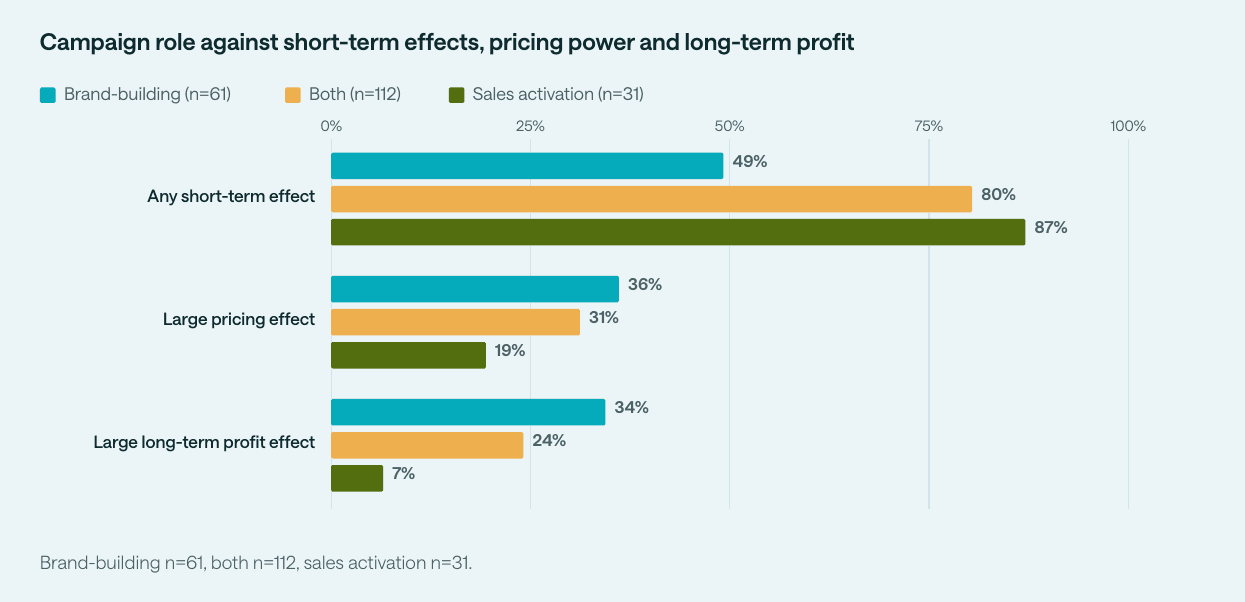
Under the affect heuristic, positive feeling towards an option leads people to overestimate its benefits and underestimate its costs. Price is a cost, so a brand that makes people feel good is a brand whose price looks smaller. That is pricing power described in the language of psychology rather than economics.
The evidence
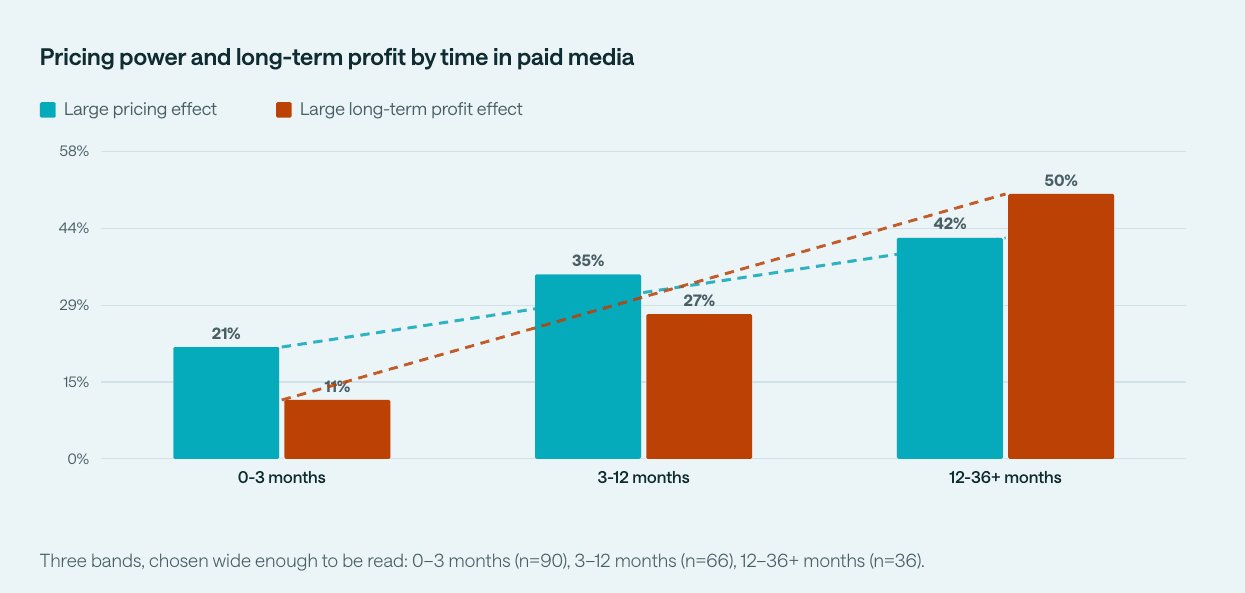
PrincipleEmotional campaigns are more profitable because people who feel good about a brand judge it as more valuable and accept paying more for it.PrincipleEmotion buys pricing power, distinctiveness buys share, consistency buys trust, showmanship buys fame3.5% → 10.3%Pricing power kicks in only once brand building clears a thresholdR² 0.76Brands with strong pricing power are measurably more resilient to price increases2 of 11Pricing power from brand is widely supported but rarely fully proven outside the UK
We wrote about this
More from this source
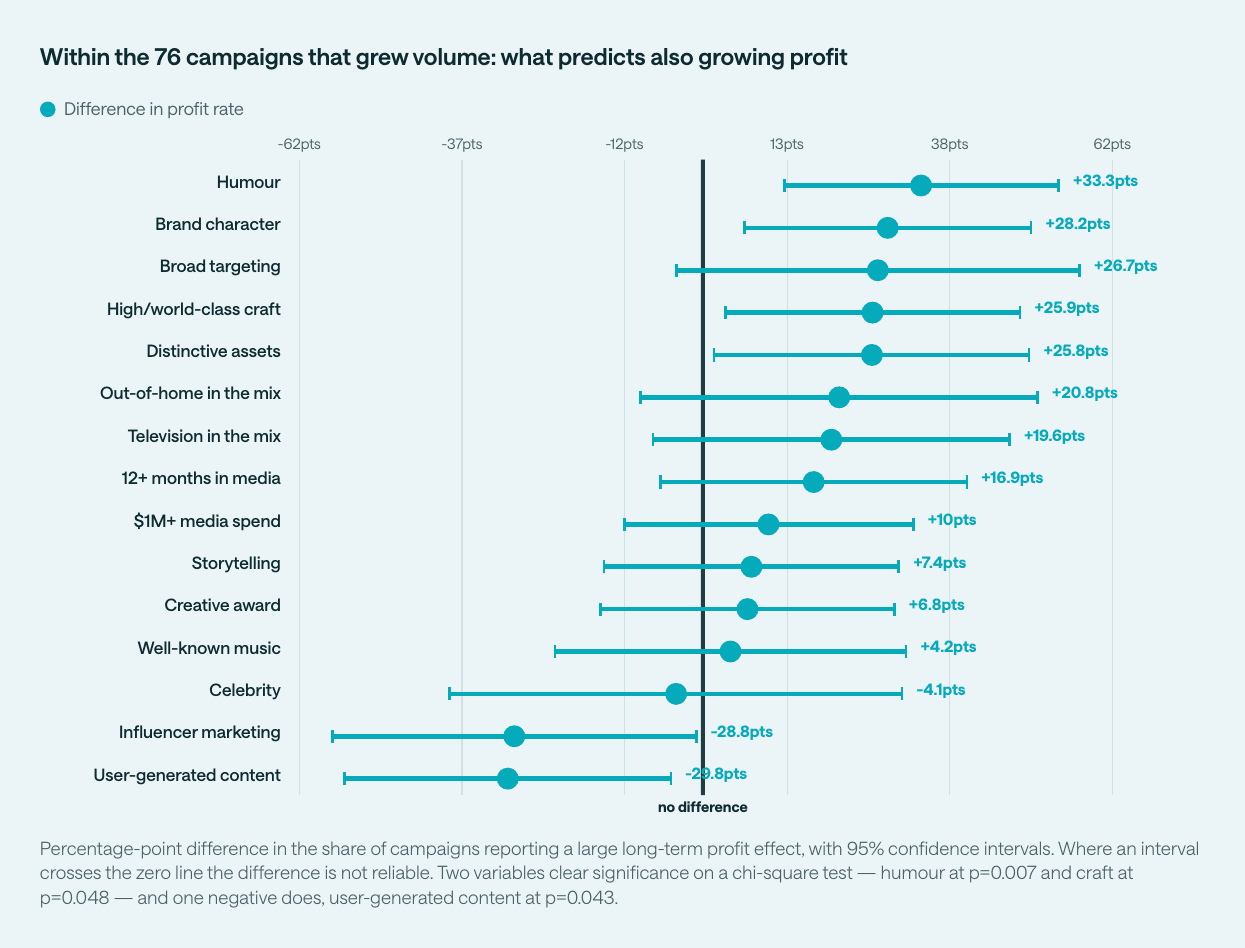
StatHumour is the strongest predictor of whether advertising converts growth into profitStatHumour's profit advantage survives controls and holds across the whole databaseStatHumour pays in serious categories tooPrincipleHumour is a proxy for emotionally charged, broad, memorable work, not a prescriptionStatEmotional and rational campaigns grow sales alike, but emotional ones convert it to profit twice as oftenQuote"Rational advertising wins the argument. Emotional advertising earns the right not to have it in the first place."StatHigh executional craft is the second predictor of converting growth into profitStatOn pricing power, craft is a step and only world-class separatesStatA recurring brand character converts growth into profit far more oftenStatA brand character builds pricing power; a celebrity does notWarningUser-generated content and influencer marketing are negatively associated with turning growth into profitStatGrowth is close to a precondition for profit