A strategy-first breakdown of this week's AI updates from Meta, Google, YouTube, and ElevenLabs. What free video tools and agentic storytelling mean for your media budget.

The week the production floor became a software suite
For years, agency pitches have included a slide about 'democratizing creativity' - which is usually code for 'we found a cheaper way to resize banners'. This week, that slide became a reality. With Google making its enterprise video suite free and Meta quietly building a massive consumer distribution channel, the barrier to entry for content creation has not just been lowered - it has been erased. For brand strategists, the question is no longer how to produce the work, but how to ensure the work actually builds mental availability when everyone has access to the same digital printing press.
---Meta's Muse outpaces ChatGPT's early mobile launch
While the industry was looking at enterprise software, Meta quietly launched its AI app, Muse, which racked up 1.8 million downloads in just 12 days. This is not just a consumer novelty. Meta is building a direct pipeline between consumer imagination and social media distribution. When millions of users can generate high-fidelity assets on their phones, the traditional creator economy shifts. Brands must prepare for an influx of highly sophisticated, user-generated content that competes directly with paid media for organic attention. The smart play is not to out-produce this wave, but to build distinctive brand assets that users can easily remix within these native apps.
Google Vids goes free with Gemini Omni 1.1
Google has officially rolled out Google Vids for free to all users, powered by its Gemini Omni 1.1 model. This moves video production out of specialized agency departments and directly into the standard office suite. For internal communications and B2B marketing, the traditional explainer video is now a commodity. When anyone can generate an HD presentation video in minutes, the value of generic information drops to zero. B2B brands must shift their budgets from basic production to deep, evidence-based strategy and highly distinctive storytelling to stand out in a sea of automated slideshows.
YouTube Studio integrates Gemini editing and video A/B testing
YouTube is rolling out conversational editing, voice protection, and native A/B testing directly inside YouTube Studio. This is a quiet victory for performance marketers who have spent years arguing with clients over which thumbnail or hook actually works. Native A/B testing removes the guesswork from video optimization, allowing real-time consumer behavior to dictate the creative mix. Furthermore, voice protection tools signal a critical shift in how platforms handle creator IP, a trend brand managers must watch closely when partnering with talent.
"When the cost of producing a video drops to zero, the value of the underlying strategy is the only thing that prevents your brand from becoming expensive digital wallpaper."
ElevenLabs Studio 4.0 combines video, voice, and music
ElevenLabs has updated its platform to Studio 4.0, integrating video, voice, and music generation into a single editor. This is a significant shift in the creative pipeline. Instead of managing three different vendors and a complex licensing sheet for a simple social campaign, a single planner can now build a complete, synchronized asset draft. While this drastically reduces feedback loops and production costs, it increases the risk of creative homogenization. If every brand uses the same synthetic engine for their soundtrack and voiceover, physical availability will be the only thing separating competitors.
Leonardo.Ai launches consistent character agent
To solve the persistent marketing challenge of inconsistent campaign imagery, Leonardo.Ai has launched a dedicated agent tool for consistent multi-scene character and brand storytelling. In the past, AI-generated campaigns struggled with continuity - a character's face would change between the storyboard and the final social asset. By locking in character consistency, brands can now build long-term narrative campaigns without the overhead of physical multi-day shoots. This makes serial storytelling and brand mascot development highly accessible for mid-market brands.
ChatGPT Voice gains plugins and document creation
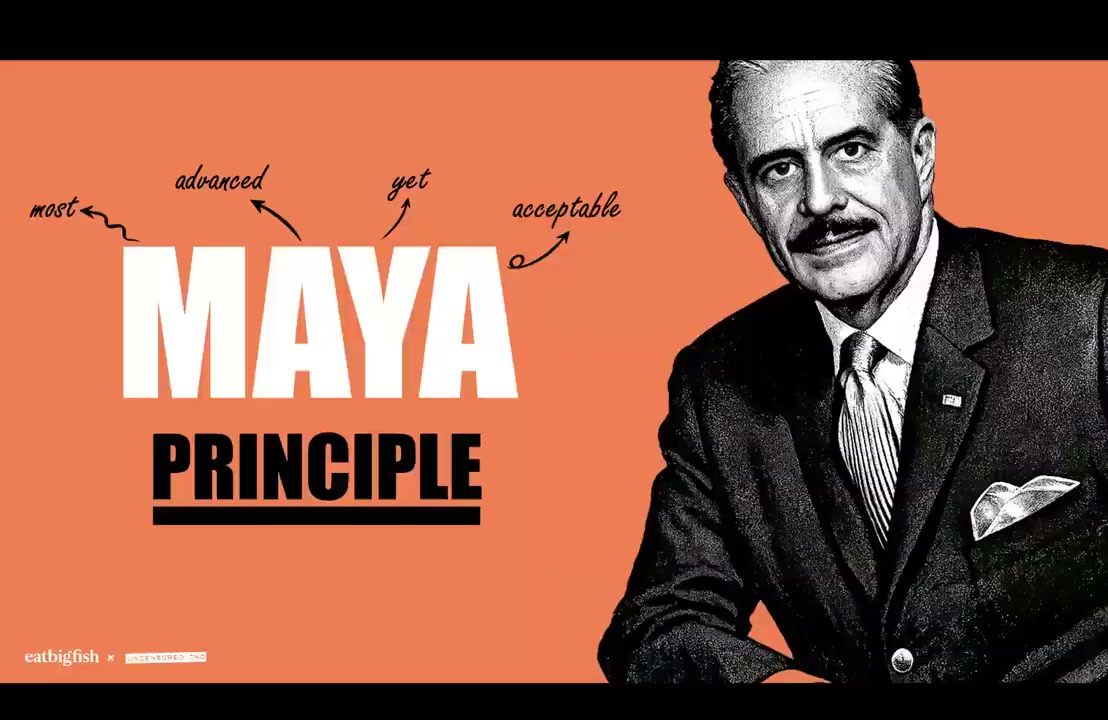
OpenAI is rolling out plugin support, GPT-6 models, and document creation to its global user base. As voice interfaces gain the ability to interact with third-party applications and create structured files, we are moving closer to the era of agentic search. Consumers will increasingly ask their voice assistant to research, compare, and purchase products directly. For brands, this means mental availability must be paired with clear, machine-readable category entry points. If your brand isn't the default answer in a consumer's mind, the voice agent will simply choose the easiest acceptable option.
Midjourney Alpha updates style previews and UI
Midjourney has released a major update to its Alpha platform, featuring style previews and a full UI refresh. By making complex style parameters visual and interactive, the tool moves further away from prompt engineering and closer to traditional art direction. Creative directors can now visually curate the aesthetic of a campaign before a single pixel is rendered. This reduces the time spent on technical prompt adjustments, allowing creative teams to focus on the conceptual strength of the brief rather than the mechanics of the software.
---Your Monday morning action plan
With video production tools now free and integrated, write a brief for your creative team that prohibits the use of stock footage or generic explainer formats. Challenge them to design a campaign using a single, highly distinctive brand asset - a specific color, a unique character, or a physical ritual - that cannot be easily replicated by a competitor's software. If your creative idea can be generated by a single prompt, it is not a strategy; it is a template.