Best Droga5 Campaigns of All Time
Droga5 has a peculiar habit of making the rest of the industry look like it is trying far too hard while simultaneously not thinking enough. They are the masters of the high-stakes cultural heist - whether they are turning a beer brand into a Super Bowl saboteur or making a newspaper subscription feel like a moral imperative. It is advertising that behaves like a prestige film. Study the strategy behind the swagger below.
37 campaigns
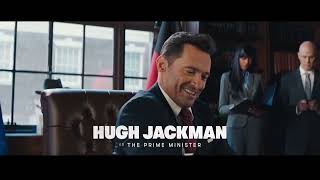
Tourism Australia: Dundee
Tourism Australia leveraged the iconic Crocodile Dundee franchise with a meta-narrative, presenting a fake movie trailer that humorously revealed itself as a tourism ad, using a new Dundee character to showcase Australia's diverse attractions and inviting viewers to experience them.
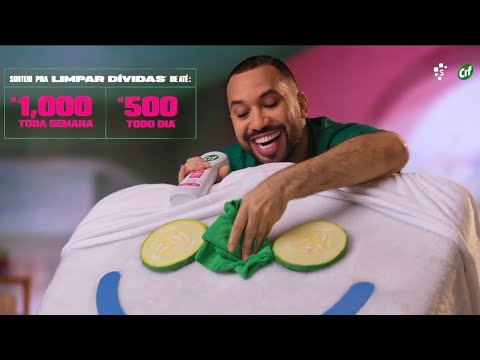
Cif: Clean My Name
Cif turned a long-standing internet joke into a real-world financial solution by partnering with Serasa. By literalizing the metaphor of 'cleaning a name,' the brand provided tangible debt relief to thousands of consumers struggling with the national debt crisis.
Coors Light: The Coooors Call
Coors Light hijacked soccer's biggest tournament by stretching its own name to mimic the iconic, elongated goal call, partnering with legendary announcer Andrés Cantor to turn every score into a branded vocal celebration across TV, social, and packaging.
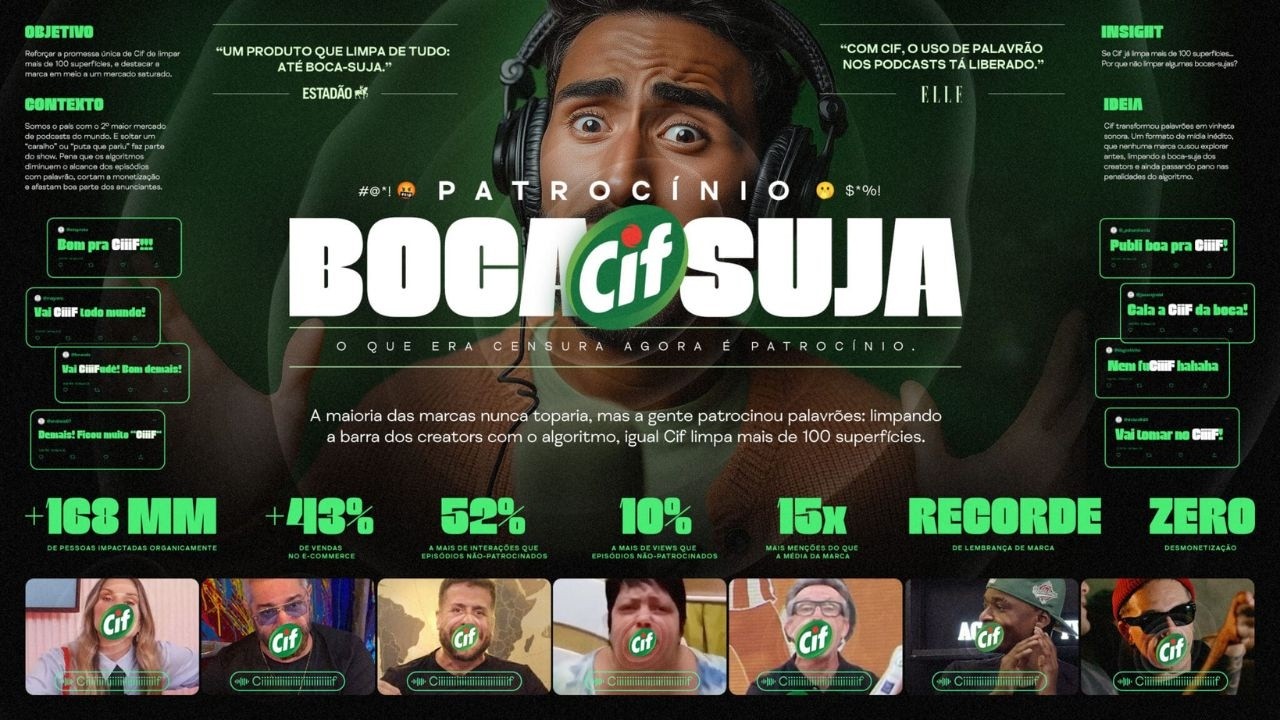
CIF: Dirty Mouth Sponsorship
CIF turned podcast censorship into a branded sponsorship by replacing standard bleeps with a custom 'CIF' sound, allowing creators to keep their content monetized while reinforcing the brand's promise to clean even the dirtiest surfaces.
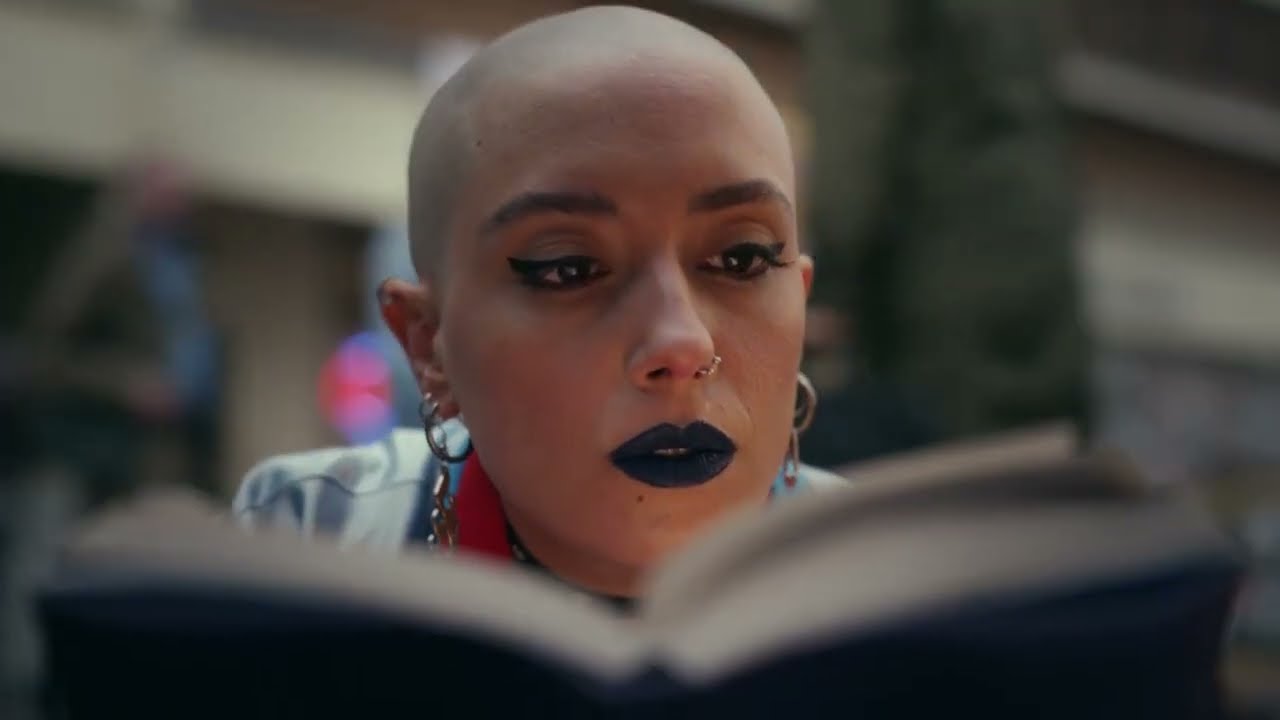
Amazon: Amazon Books - Bring a Book to Life
Visualizing the internal, invisible magic of reading by manifesting book genres as cinematic, mixed-media hallucinations that erupt into the readers' mundane reality, proving that stories are a co-creation between the author's words and the reader's imagination.
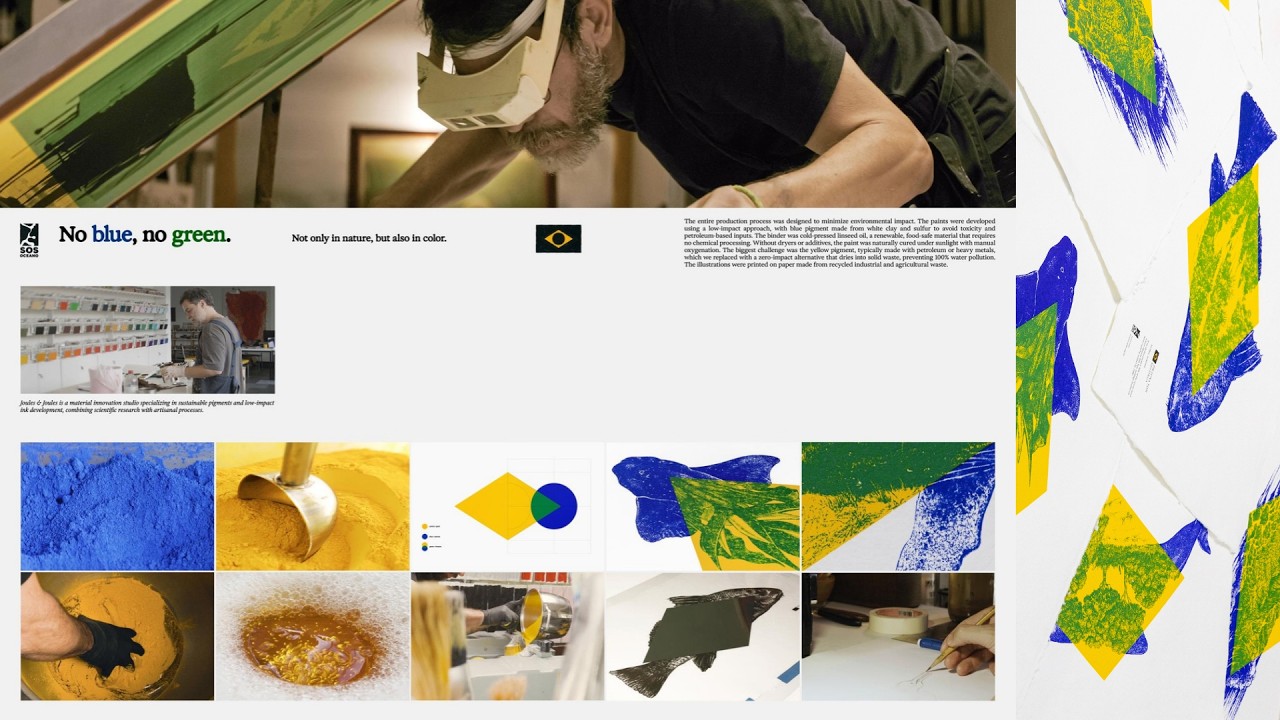
SOS Oceano: No Blue, No Green
By stripping the blue and green from the Brazilian flag, the campaign exposed the invisibility of marine ecosystems, using color theory to prove that without the ocean's blue, the land's green cannot exist, ultimately driving policy change for marine protection.
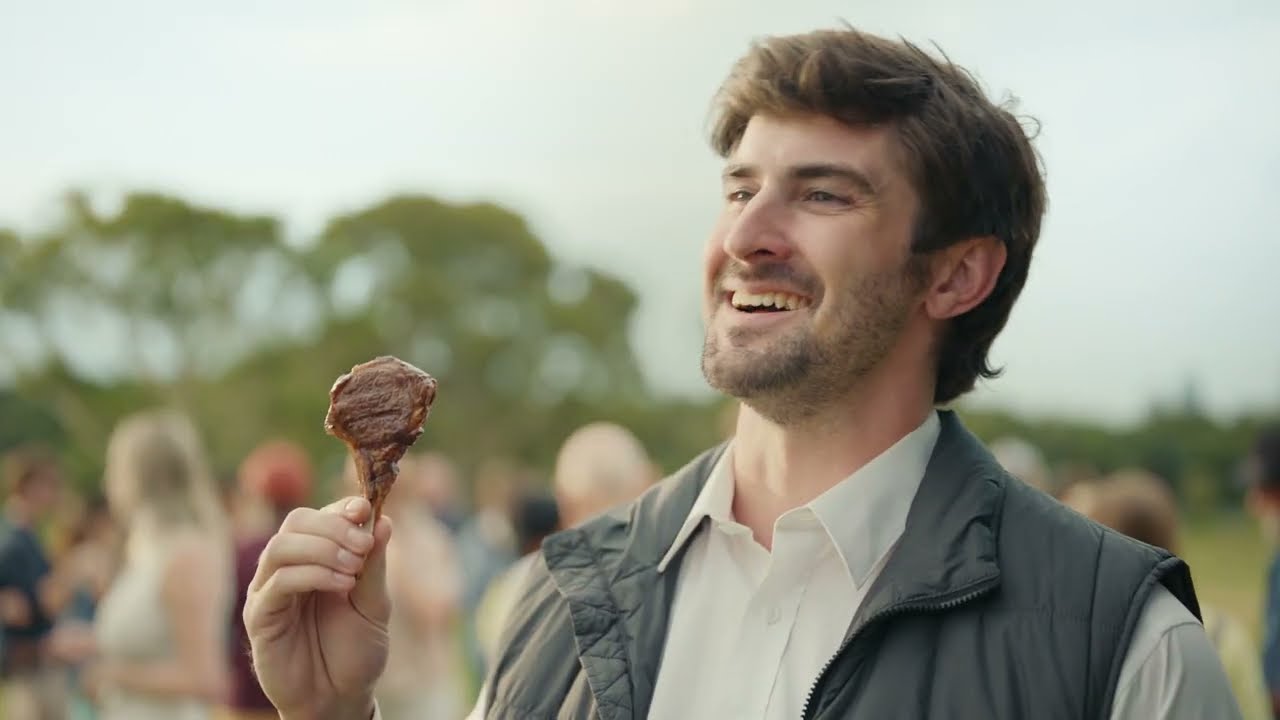
Meat & Livestock Australia: The Comments Section
To celebrate its 20th anniversary, Australian Lamb satirized the toxic polarization of online discourse by dramatizing real internet comments in the real world, proving that sharing a meal is the only way to bridge our digital divides.

Facebook: We're Never Lost
Facebook's "We're Never Lost" campaign acknowledged the profound isolation and fear of the early pandemic, then powerfully pivoted to showcase human resilience and connection, positioning the platform as an essential conduit for finding mutual support and hope amidst global crisis.
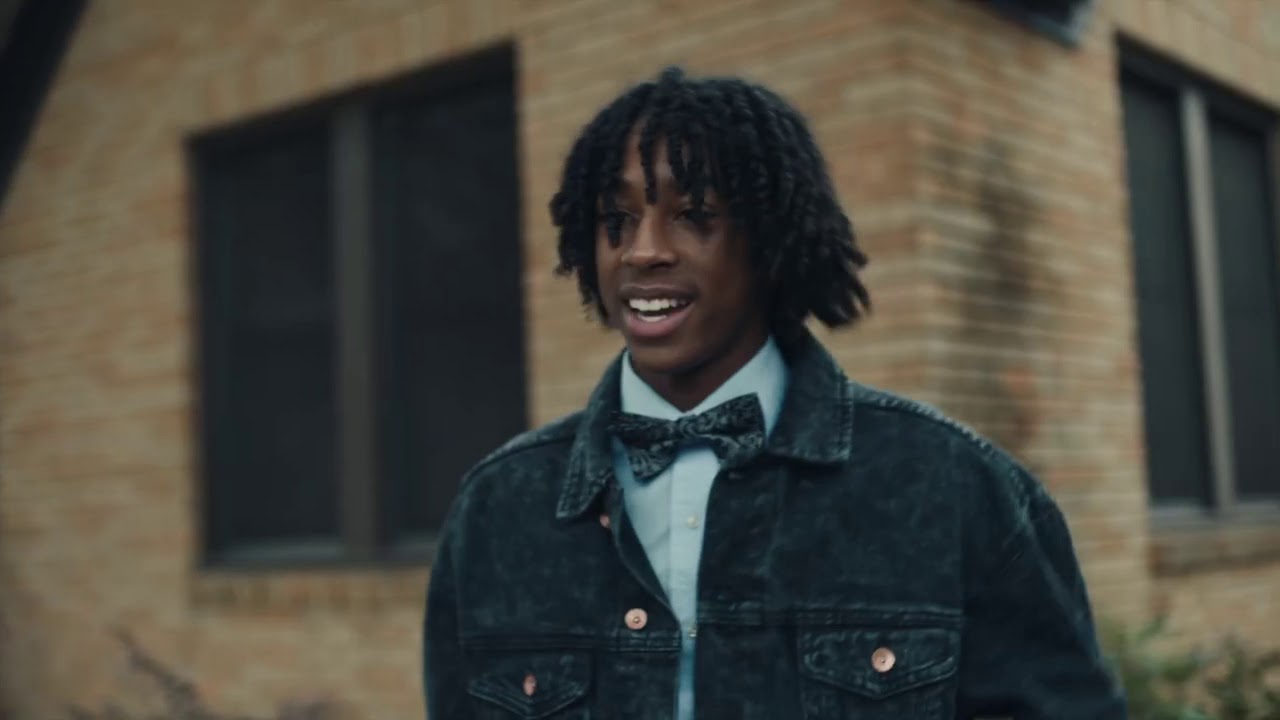
Nordstrom: An Open Mind Is The Best Look
Nordstrom shifted from product-centric ads to a cinematic celebration of human connection, using an improvised theater rehearsal voiceover and street-cast individuals to prove that true style comes from an open, empathetic perspective rather than just the clothes themselves.
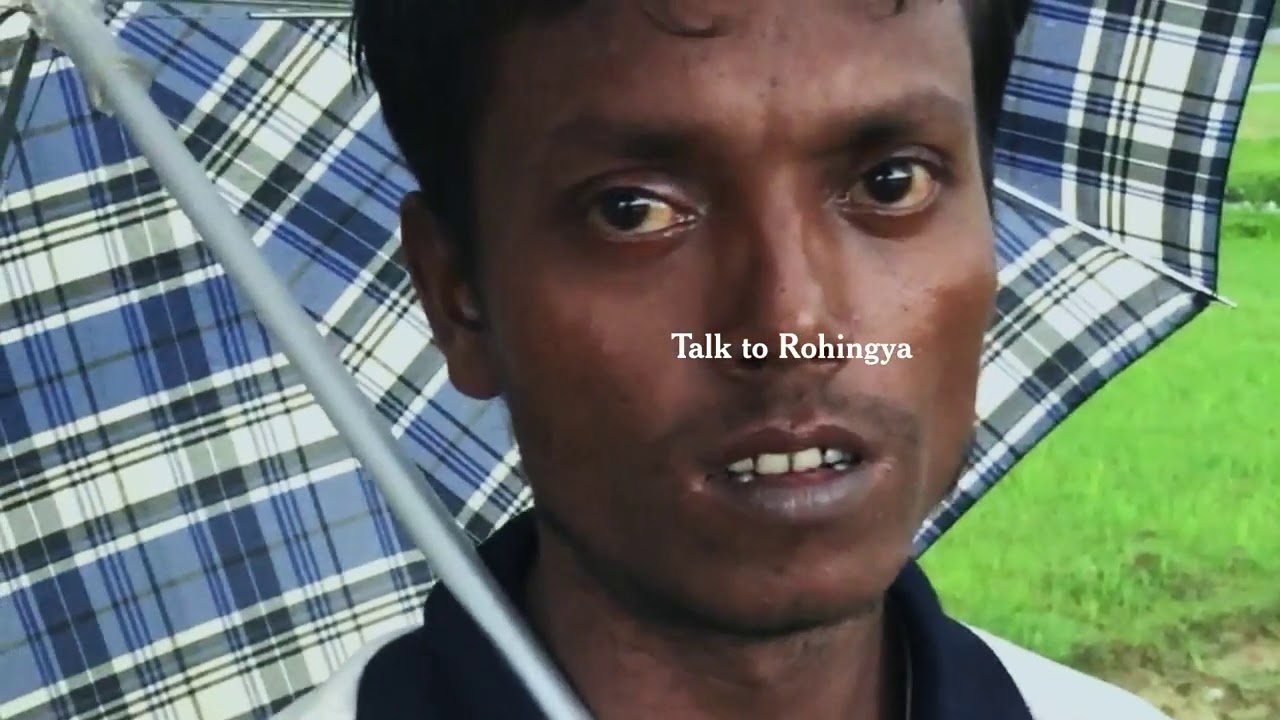
The New York Times: The Truth Is Worth It
The campaign dramatized the rigorous, often dangerous process of investigative journalism through kinetic typography and raw field recordings, proving that a final headline is only possible because of the immense effort and sacrifice required to uncover it.
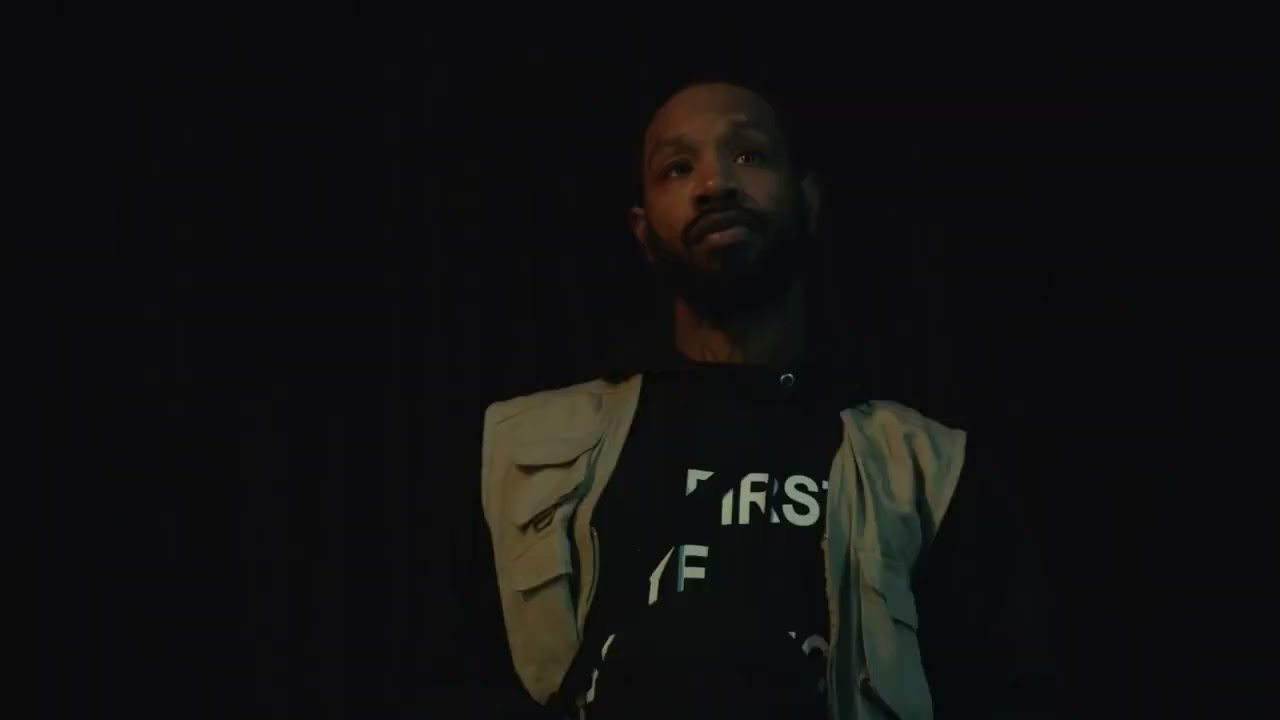
Christie's: The Last Da Vinci
Christie's marketed a 500-year-old Da Vinci masterpiece by hiding the painting and filming the visceral, emotional reactions of viewers, transforming a religious relic into a global pop-culture phenomenon through the power of the human gaze.

Kraft Heinz: Bagelgate
Philadelphia Cream Cheese launched a real-time "schmear campaign" against Apple's dry bagel emoji, rallying social media users to demand a cream cheese update. By positioning the brand as the defender of bagel integrity, they forced a tech giant to change its product.

The New York Times: The Truth Is Hard To Find
By stripping away cinematic polish and using raw contact sheets and field audio, the campaign dramatized the grueling and meticulous process of photojournalism to prove that truth isn't just a fact - it's a hard-won pursuit.
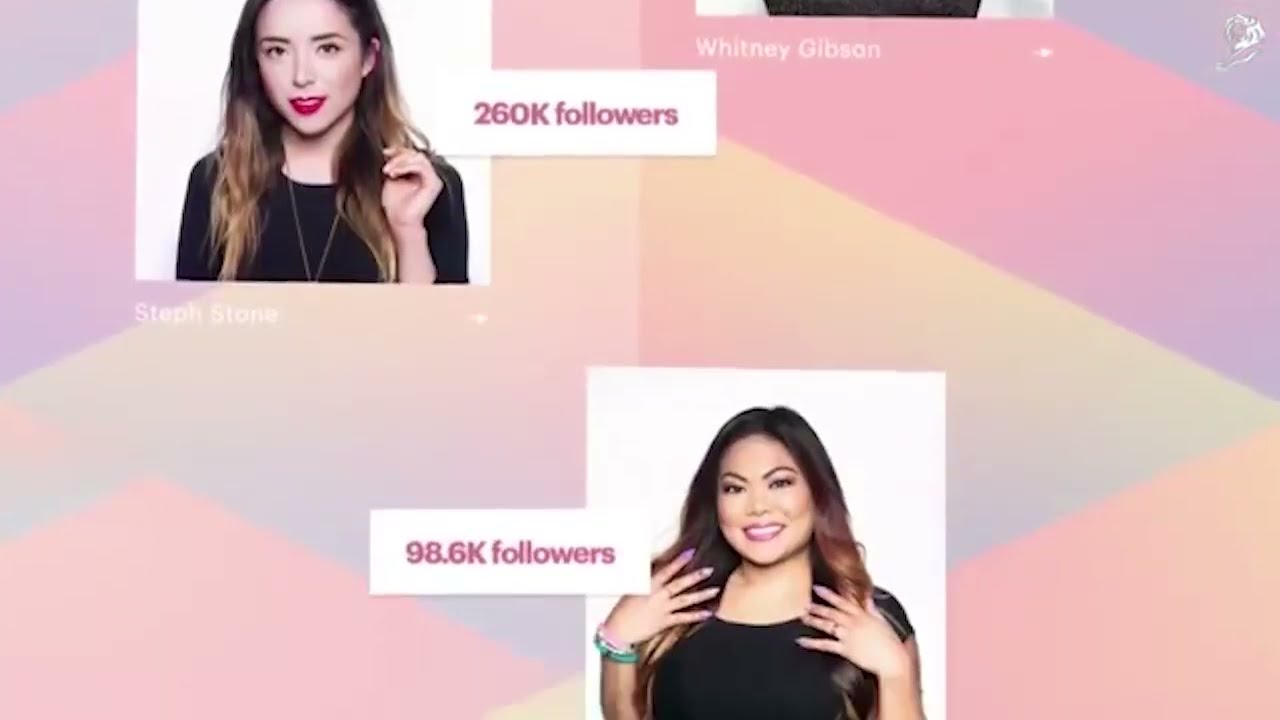
Mailchimp: Did You Mean Mailchimp?
Mailchimp transformed a common brand mispronunciation into a multi-platform ecosystem of surreal products and experiences, using Google's 'Did you mean...' search prompt to hijack curiosity and drive massive organic traffic through nine rhyming, unbranded sub-campaigns.
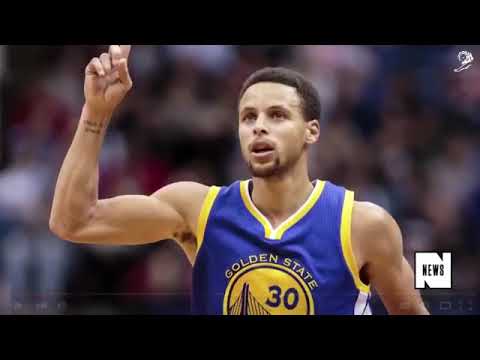
Under Armour: #Breakthegame
To bridge the gap between Stephen Curry and Under Armour, the brand hijacked the two-screen playoff experience by tweeting unique, surreal three-second micro-films instantly every time Curry hit a three-pointer, turning live highlights into branded rewards.
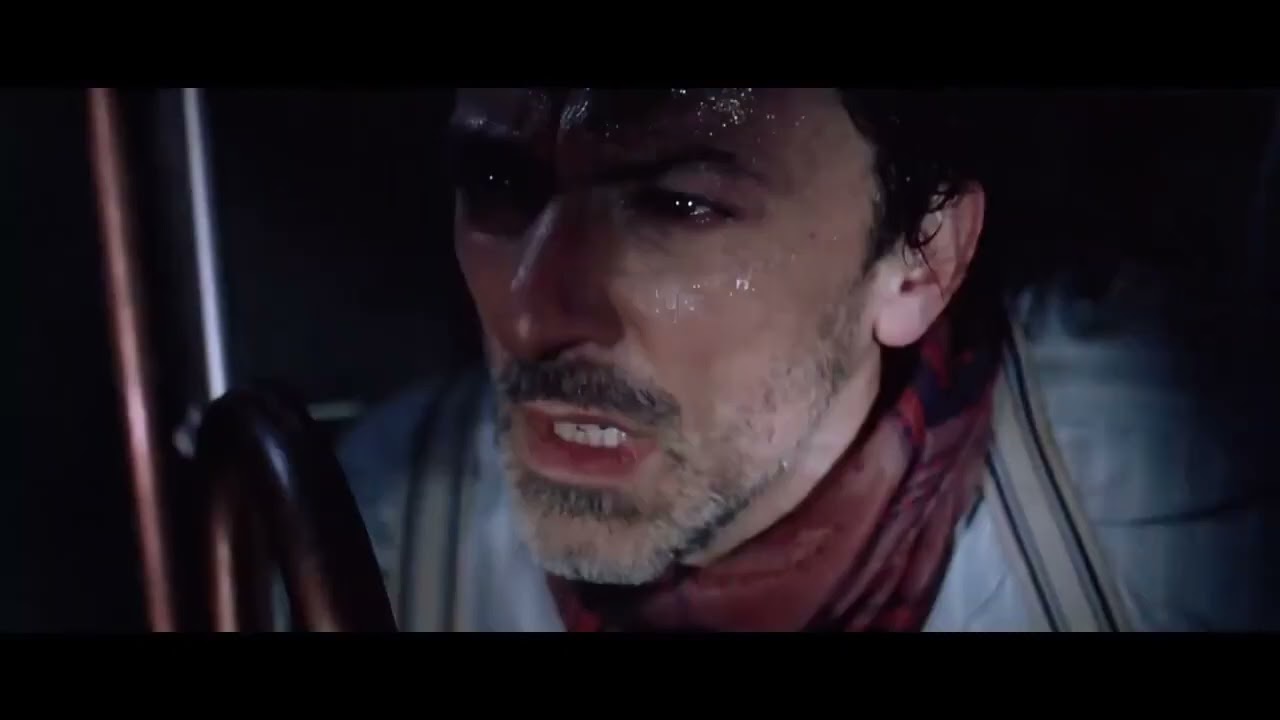
Hennessy: The Piccards
Hennessy dramatized the parallel pioneering feats of Auguste and Jacques Piccard, using their relentless pursuit of the stratosphere and the abyss as a cinematic metaphor for the brand's philosophy of constant self-improvement and the internal drive to never settle.
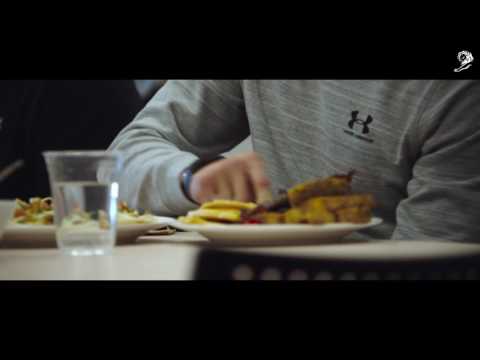
Under Armour: Phelps
Under Armour showcased the grueling, solitary, and painful training of Michael Phelps to prove that greatness isn't born in the spotlight, but earned in the "dark," resonating with athletes who value the sacrifice behind the victory.
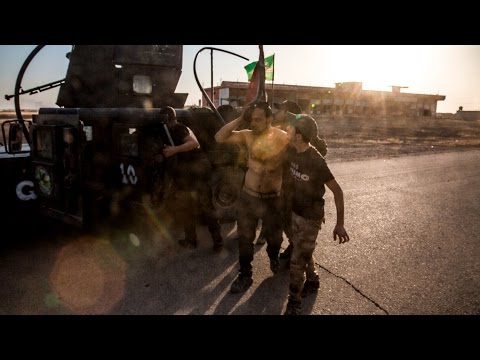
The New York Times: Bryan Denton
The New York Times showcased photojournalist Bryan Denton's raw, first-person account of surviving an ambush, revealing the intense human cost and ethical complexities of war reporting, thereby reinforcing the brand's commitment to profound, empathetic storytelling and fearless truth-seeking.
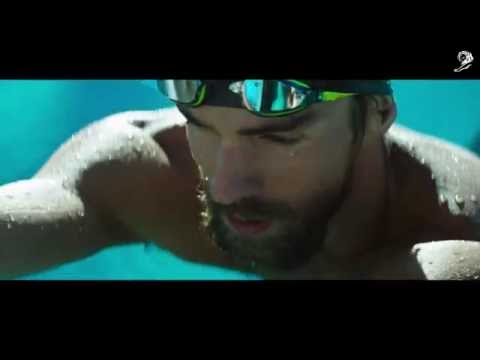
Under Armour: Michael Phelps
Under Armour's 'Rule Yourself' campaign powerfully showcased Michael Phelps' grueling, solitary training and recovery, revealing that true greatness stems from unseen dedication. It worked by connecting the brand to the authentic, often dark, journey of an elite athlete, inspiring viewers to embrace their own quiet efforts.
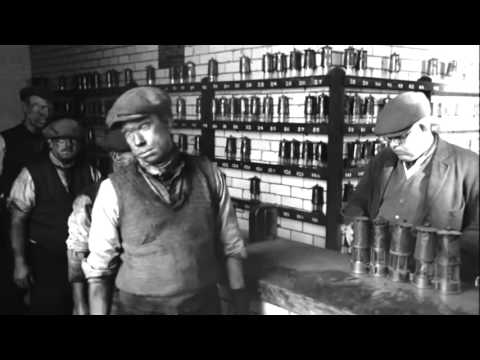
Newcastle Brown Ale: Miners
Newcastle Brown Ale leveraged historical footage of arduous working-class life, then ironically admitted this advertising tactic works because it makes viewers feel better about their own lives, thus selling more beer through self-aware, brutal honesty.

Honeymaid: This is Wholesome
Honey Maid celebrated diverse families in an initial ad, then powerfully responded to public comments - both positive and negative - by using them to literally build a message of love and acceptance, reinforcing its wholesome brand image and demonstrating its commitment to inclusivity.
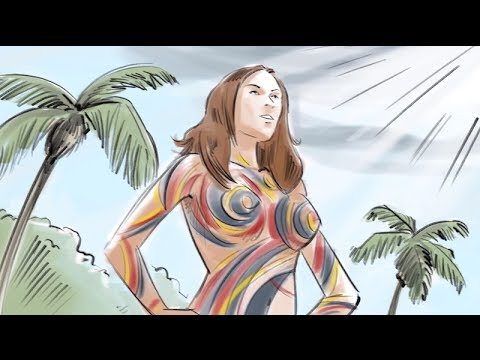
Newcastle Brown Ale: If We Made It
Newcastle Brown Ale satirized the extravagance of Super Bowl ads by presenting a ridiculously epic, unmade commercial featuring Anna Kendrick, evil apes, and skateboarding cats, humorously contrasting it with their "no bollocks" brand ethos to resonate with consumers tired of overblown marketing.

Under Armour: I Will What I Want
Under Armour challenged its masculine image by signing supermodel Gisele Bündchen, leveraging anticipated public judgment. They used real-time social commentary in ads and a live web experience to show Gisele defying "noise," powerfully proving that "will beats noise" and making the brand a symbol of female athletic aspiration.
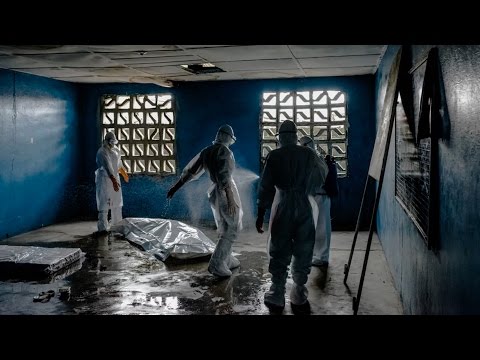
The New York Times: Daniel Berehulak
The New York Times showcased photojournalist Daniel Berehulak's harrowing experience covering the Ebola crisis, revealing the unseen human cost through his personal narrative to underscore the brand's unwavering commitment to bringing difficult, essential truths to light.
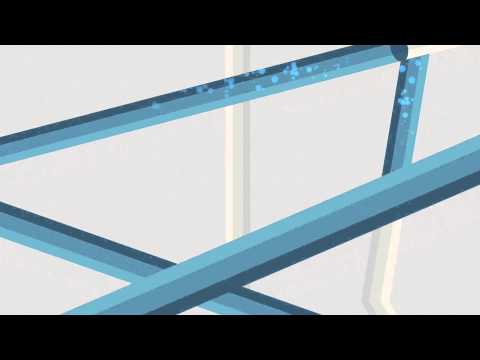
Unicef: Tap Project
UNICEF created a unique social media campaign that turned Facebook users into virtual "water taps" where people could donate small amounts to provide clean water to children in need. By leveraging the massive social network, UNICEF transformed digital connections into a practical way to solve the global water crisis, allowing users to symbolically "open their tap" and help provide clean water to millions of children.
MotoX: LazyPhone
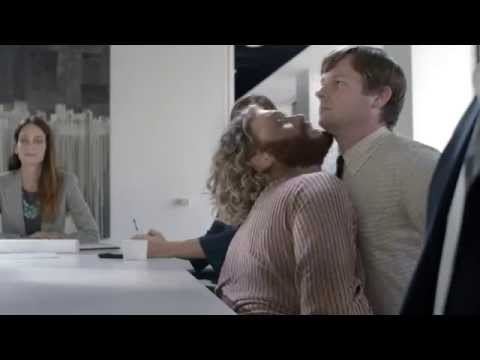
Moto X's "Lazy Phone" campaign humorously dramatized the social awkwardness and public embarrassment caused by phones that reveal private notifications, positioning Moto X's Active Display as the discreet solution for receiving updates without causing a scene.

Help: I Want to Save a Life
Help Remedies integrated a simple marrow donor registry kit directly into their over-the-counter bandages, transforming an everyday injury into an effortless opportunity to register and save a life, bypassing complex traditional sign-up barriers.

Hennessy Cognac: Manny
The campaign leveraged Manny Pacquiao's inspiring journey - from gritty, humble beginnings to boxing legend and congressman - to personify Hennessy's "Never stop. Never settle." ethos, connecting the brand to the universal human drive for relentless ambition and purpose.

Puma Social: Live Life Don't Watch It
Puma Social created a campaign that challenges people to stop watching reality TV and start living their own exciting life by actively participating in real experiences. The brand encourages young people to replace passive TV consumption with dynamic, personal adventures and social interactions, positioning itself as a lifestyle brand that promotes active living.
Puma Clothing: After-Hours Athlete
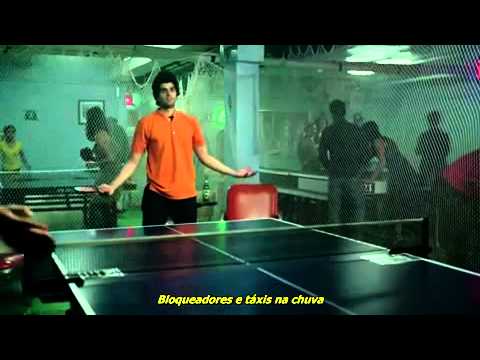
Puma created a campaign that celebrated people who treat their nightlife and social activities with the same dedication as professional athletes, calling them "After Hours Athletes". The brand recognized that partying, dancing, and socializing can be as intense and passionate as sports, and reframed nightlife participants as athletes in their own unique arena.