2026Missing PeopleNot-for-Profit & GovernmentVideo ad
Missing People: Based on a True Story
Missing People tasked BBH London with addressing the trivialization of missing persons cases in media. The charity needed to shift public perception and industry behavior, moving audiences from passive consumers of true crime to active advocates for ethical reporting. The goal was to secure institutional change and protect families from the harmful impact of sensationalist storytelling.
Creative Idea
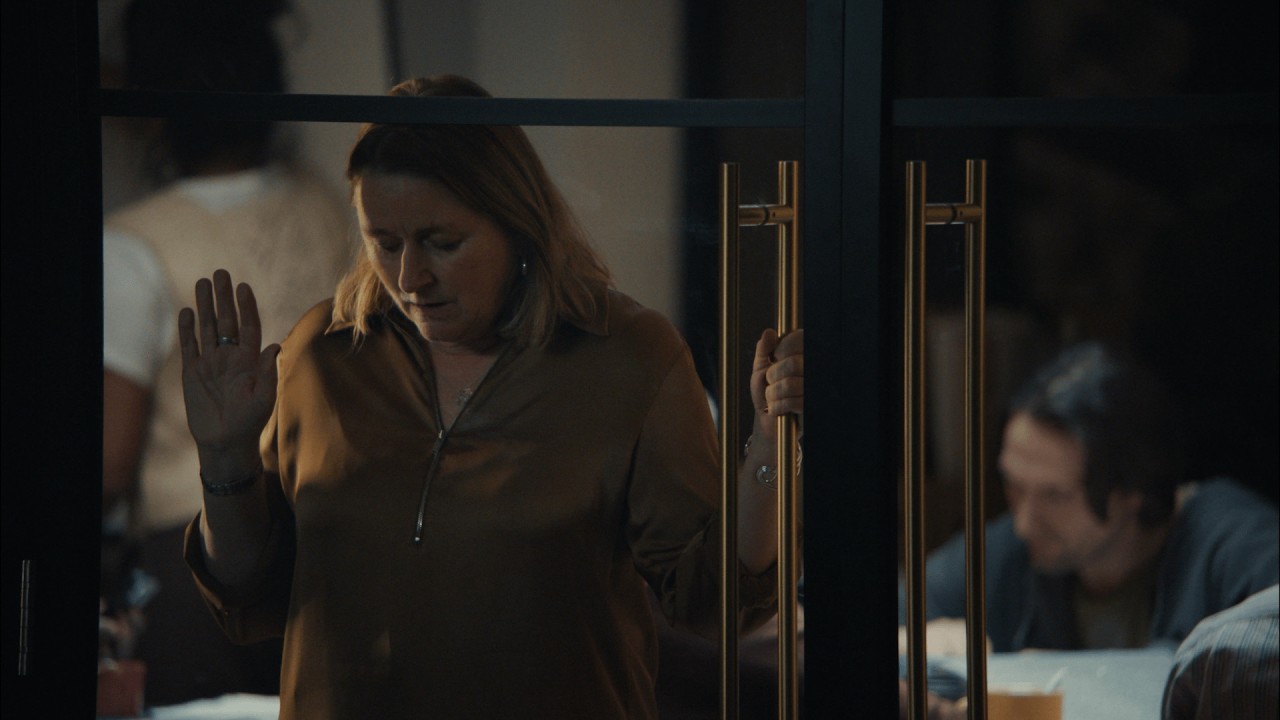
Satirized a writers' room to expose the callous commodification of real missing persons cases.
By satirizing the true crime industry's obsession with sensationalizing missing persons cases, the campaign exposed the audience's complicity in turning real tragedies into entertainment, successfully pivoting that guilt into support for the Responsible Narratives Charter.
Turning True Crime Complicity Into Change
A Pro Bono Powerhouse
The campaign was a fully pro bono collaboration, with BBH London and Hope & Glory providing strategy, creative, and PR execution at no cost to the charity. The partnership originated from a three-year-old offer of support from Hope & Glory Creative Director Amy Jones, who later introduced the charity to BBH in January 2025 to scale the initiative. To ensure the satire remained respectful, the team worked directly with families of missing individuals and those with lived experience throughout the scriptwriting and production process.
The Trojan Horse Strategy
Beyond the film, the agency deployed a "Trojan Horse" stunt by distributing a mock luxury physical boxset titled *Top Five Cases You Won't See On TV* to true-crime influencers and media outlets. The box was empty, forcing recipients to confront the reality that media platforms cherry-pick only "marketable" cases while ignoring the 170,000 people who go missing in the UK annually.
From Viral Reach to Policy
The campaign achieved massive scale, generating 3.7 billion media impressions and 14 million social media views in its debut week. Broadcast coverage on outlets including ITV News, Good Morning Britain, and Channel 5 News reached 22.8 million people. This visibility drove an 18% surge in traffic to the charity’s website. The most significant outcome was the institutional shift: within 24 hours of launch, UK Prime Minister Keir Starmer personally endorsed the Responsible Narratives Charter. The initiative secured 159 formal pledges, including commitments from 16 major media figures to reform how missing person stories are reported.
4C Framework deconstruction
Company
Missing People leveraged its authority as the UK's primary charity for missing persons to demand ethical standards in media reporting.
Category
True crime media often prioritizes sensationalism and marketability over the dignity of victims and the needs of their families.
Customer
Audiences felt entertained by true crime but were unaware of the harm their passive consumption caused to real families.
by
The massive, daily consumption of true crime content created a cultural tension between entertainment and the reality of human tragedy.
Company
Missing People leveraged its authority as the UK's primary charity for missing persons to demand ethical standards in media reporting.
Category
True crime media often prioritizes sensationalism and marketability over the dignity of victims and the needs of their families.
Strategy:
Weaponize the audience's own entertainment consumption habits to force institutional accountability for marginalized social issues.
Customer
Audiences felt entertained by true crime but were unaware of the harm their passive consumption caused to real families.
by
The massive, daily consumption of true crime content created a cultural tension between entertainment and the reality of human tragedy.
Strategy:
Weaponize the audience's own entertainment consumption habits to force institutional accountability for marginalized social issues.
Strategy Technique
Attack a Cultural Blind Spot
The campaign targets the widespread, unexamined consumption of true crime content. It forces audiences to acknowledge that their entertainment habits often trivialize the real-world suffering of missing persons and their families.
Explore Technique
Creative Technique
Backstage
The film pulls back the curtain on a writers' room to reveal the callous, detached process of selecting cases for entertainment. This perspective forces viewers to confront the reality behind the stories they consume.
Explore Technique
Craft Breakdown
This campaign's power lies in its sharp copywriting and exceptionally grounded acting, using satire to expose society's exploitative appetite for true crime before hitting viewers with raw real-world gravity.
The script deftly mimics authentic writers' room dialogue, seamlessly exposing media bias and systemic hypocrisy through biting satire.
The ensemble cast captures the casual cynicism of TV producers perfectly, creating a sharp contrast with the silent, powerful presence of the real family members.
Moody lighting and glass reflections frame the writers room like a prestige drama, visually reinforcing the theme of sensationalized media storytelling.
The shift in tone from cynical comedic banter to heartbreaking reality is masterfully timed and executed.
“The combination of incisive dialogue, authentic dramatic performances, and a stark tonal shift at the climax creates a devastating critique of true crime entertainment.”