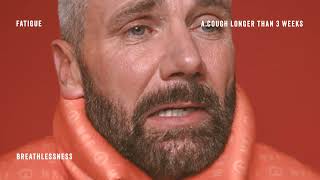
2026Center Against Gambling AddictionNot-for-Profit & GovernmentCase video
Center Against Gambling Addiction: The Anti-Betting Sponsorship
The Center Against Gambling Addiction tasked &Co. with addressing the high rates of gambling-related harm in Denmark. The client needed to break a legislative standstill regarding betting advertisements in sports. The goal was to mobilize public opinion and pressure lawmakers to restrict gambling marketing, specifically targeting the pervasive influence of betting sponsors within professional football clubs.
Creative Idea
Football clubs replaced betting sponsors with anti-gambling logos to force legislative change.
By replacing betting logos on football jerseys with anti-addiction messaging, the campaign turned the sports industry's own marketing real estate into a powerful protest, forcing a national legislative debate that resulted in a historic ban on gambling advertisements.
Turning The Pitch Into A Protest
Hijacking The Industry Standard
The campaign fundamentally altered the economics of football sponsorship by subverting the very medium used to normalize gambling. Since the 2012 deregulation of the Danish market, gambling addiction rates quadrupled, affecting approximately 24,500 children and youth. By partnering with clubs like Århus Fremad and B.93, the agency replaced traditional betting logos with the Center for Ludomani emblem. This move transformed the match jersey from a commercial asset into a public health warning, forcing the industry to carry the message of its own societal cost.
Legislative Domino Effect
The impact extended far beyond the pitch, effectively ending a 6-year legislative standstill. Within just one month of the campaign launch, the Danish government tripled funding for gambling addiction prevention and treatment, increasing the budget from 5.7 million DKK to 18.1 million DKK. This political momentum directly paved the way for new national regulations, including a landmark ban on betting advertisements occurring 10 minutes before and after football broadcasts, scheduled to take effect in 2027.
A Grassroots Mobilization
The strategy relied on shifting the narrative from individual responsibility to systemic accountability. By engaging fan associations, the campaign turned the football community into a vocal advocate against the pervasive influence of betting companies. The creative team, led by Claus Collstrup with creatives Niklas Hultquist Andersen and Frederik Zeevi Voetmann, successfully reframed the sponsorship vehicle as an ideological tool. This forced a national debate that prioritized societal well-being over the revenue streams of the betting industry, proving that the medium itself could be the most effective argument for policy change.
4C Framework deconstruction
Company
The Center leveraged its authority on addiction to challenge the normalization of gambling in Danish sports culture.
Category
Football clubs typically rely on betting companies for lucrative sponsorship deals, ignoring the social cost of addiction.
Customer
The public and football fans felt uncomfortable with the saturation of gambling ads during beloved family sports broadcasts.
Culture
Rising public concern over gambling addiction and a legislative standstill created the perfect environment for grassroots protest.
Company
The Center leveraged its authority on addiction to challenge the normalization of gambling in Danish sports culture.
Category
Football clubs typically rely on betting companies for lucrative sponsorship deals, ignoring the social cost of addiction.
Strategy:
Force systemic change by weaponizing the industry's own marketing assets against its harmful business practices.
Customer
The public and football fans felt uncomfortable with the saturation of gambling ads during beloved family sports broadcasts.
Culture
Rising public concern over gambling addiction and a legislative standstill created the perfect environment for grassroots protest.
Strategy:
Force systemic change by weaponizing the industry's own marketing assets against its harmful business practices.
Results
The initiative turned into a national movement across Denmark. Other football clubs joined by replacing betting sponsors with the Center for Gambling Addiction. Just 2 weeks after the initiative began, it led to a change in Danish national law, introducing a whistle-to-whistle ban on betting commercials (banning betting ads from 10 minutes before to 10 minutes after live sports broadcasts).
2 weeks
time to change national law
Whistle-to-whistle
national ban on sports betting ads
Strategy Technique
Turn Brand Values Into Action
The organization moved beyond awareness campaigns by directly intervening in the sports infrastructure. By forcing clubs to choose between betting money and public health, they proved their commitment through tangible, costly action.
Explore Technique
Creative Technique
Hijack the Medium
The campaign repurposed football jerseys, a prime advertising space for betting companies, to carry a counter-message. This effectively hijacked the industry's own platform to expose the harm caused by gambling.
Explore Technique
Craft Breakdown
This campaign's brilliance lies in its creative media hack and physical design execution: turning the prime real estate of a football shirt into a Trojan horse for public health, forcing legislative action.
Hacking football jersey sponsorship to replace commercial betting logos with a helpline logo directly challenged sports culture at its visual center.
Leveraging broadcast TV match coverage as earned media turned a small club's local jersey into a nationwide political agenda item.
“The combination of an unmissable physical jersey design and tactical earned media strategy transformed a small sports action into nationwide legislative reform.”