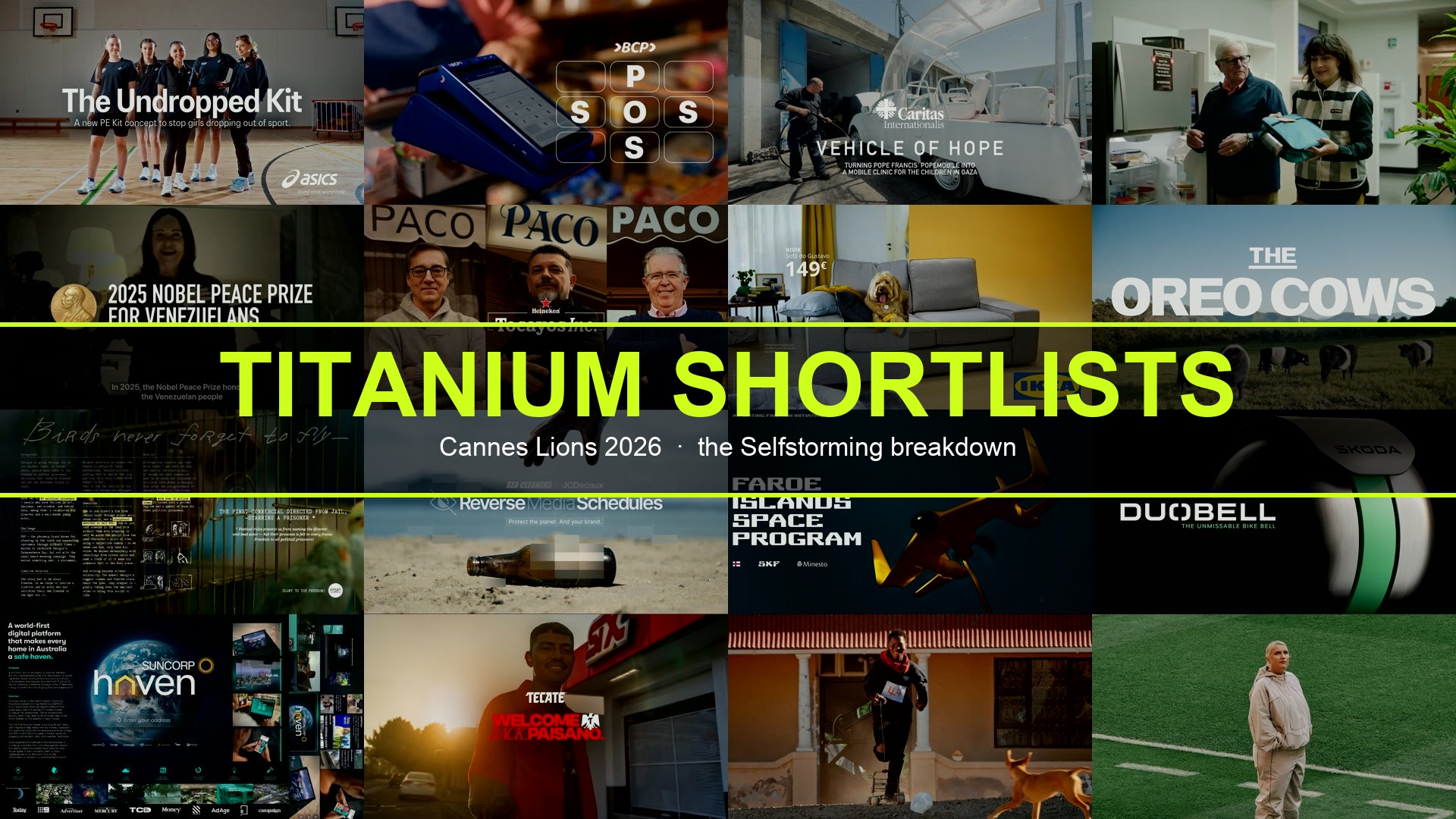
The Cannes Lions 2026 Titanium shortlist just dropped. I broke down all of it and picked three favourites - Škoda DuoBell, Heineken Tocayos Inc. and Sea Cleaners' Reverse Media Schedules. Here's why they matter, and why I'll be in Cannes when the Lions land.
A courier is pedalling through London traffic with noise-cancelling headphones clamped to his ears. A car horn? Gone. A shout? Gone. The whole city has been mixed down to a soft hiss and a podcast about productivity. He cannot hear the bike coming up on his left, and the bike cannot make a sound he'd notice. This is the exact half-second where urban cycling goes wrong...
That half-second is where Škoda decided to put its cleverest people. The result, DuoBell, is on the 2026 Cannes Lions Titanium shortlist - and I think it's one of the best things in advertising this year.
The shortlist dropped this week, the festival opens on June 22, and I'll be there in person. So I did the thing I always do when the work I love starts surfacing: I built a breakdown of it. You can see the whole thing here - the Cannes Lions 2026 winners page - and I'll be adding the actual Lions to it live as they're announced through the week.
First, what "Titanium" actually means
Titanium is the strangest Lion in the building, and that's the point. It was proposed in 2003 by Dan Wieden, after BMW's "The Hire" films arrived and refused to fit into any existing category. The industry had made something it didn't have a box for. So they built a box for things that don't fit boxes.
The official line is that Titanium rewards "provocative, boundary-busting, envy-inspiring work that marks a new direction for the industry and moves it forward." The unofficial test is blunter: does the work make the whole industry stop and quietly reconsider what it thought it was doing? That's a brutal bar. Most "innovative" work is just a familiar idea wearing a new piece of technology. Titanium is supposed to be the idea you couldn't have had last year.
Which is exactly why the shortlist is worth studying rather than just admiring. Sixteen of these are already broken down on the page, mechanic by mechanic. Here are the three I keep coming back to.
Škoda DuoBell - a car brand that solved a problem cars cause
Active noise cancellation is a small miracle and a small menace. It's brilliant on a plane and quietly dangerous on a street, because the same algorithm that erases engine drone also erases a bicycle bell. So Škoda, with AMV BBDO and acoustics researchers, went hunting for the one frequency band that noise-cancelling tech struggles to suppress, and engineered a bell that lives there. It's a bell tuned specifically to be un-ignorable by the technology designed to ignore it.
What I love is the altitude of the thinking. A car brand could have made a film about road safety and felt good about itself. Instead it built a physical object that makes cyclists safer from the inside of the problem, and then open-sourced the research so anyone can use it. That's the Titanium move: not a message about the category, a change to the category. Full breakdown here.
Heineken Tocayos Inc. - turning a weakness into a franchise
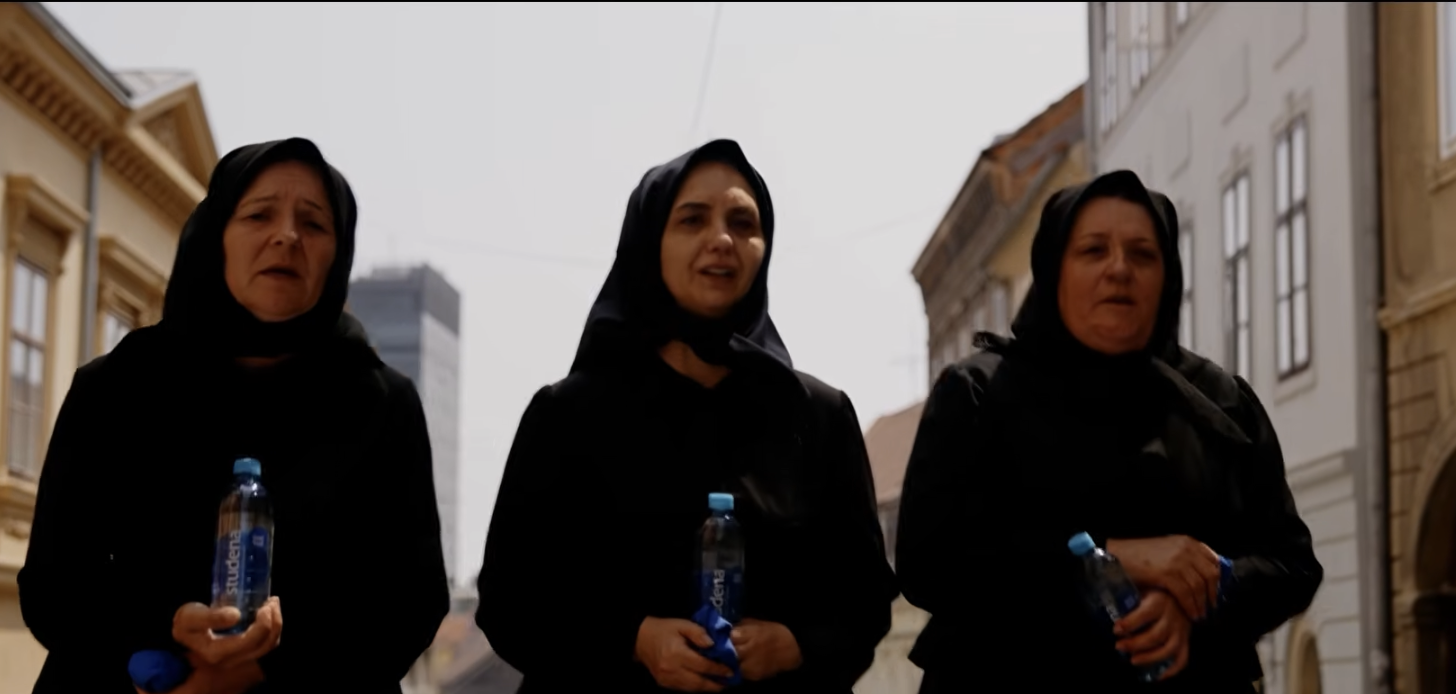
Independent neighbourhood bars are losing to chains for one boring reason: chains have scale, and a family bar named after one guy named Paco does not. Heineken and LePub noticed something almost too obvious to see - there are hundreds of bars run by Pacos, and Pepes, and Manolos, scattered across the country, all fighting the same fight alone. So they grouped them by name and gave the namesakes franchise-grade strength they could never buy individually.
The reframe is the whole idea. Heineken didn't run an ad telling people to love small bars. It engineered the actual structural advantage those bars were missing, using the one thing they accidentally had in common. The brand becomes the connective tissue, not the megaphone. That's a much harder, much better job. Breakdown here.
Sea Cleaners Reverse Media Schedules - the one that rewired my brain
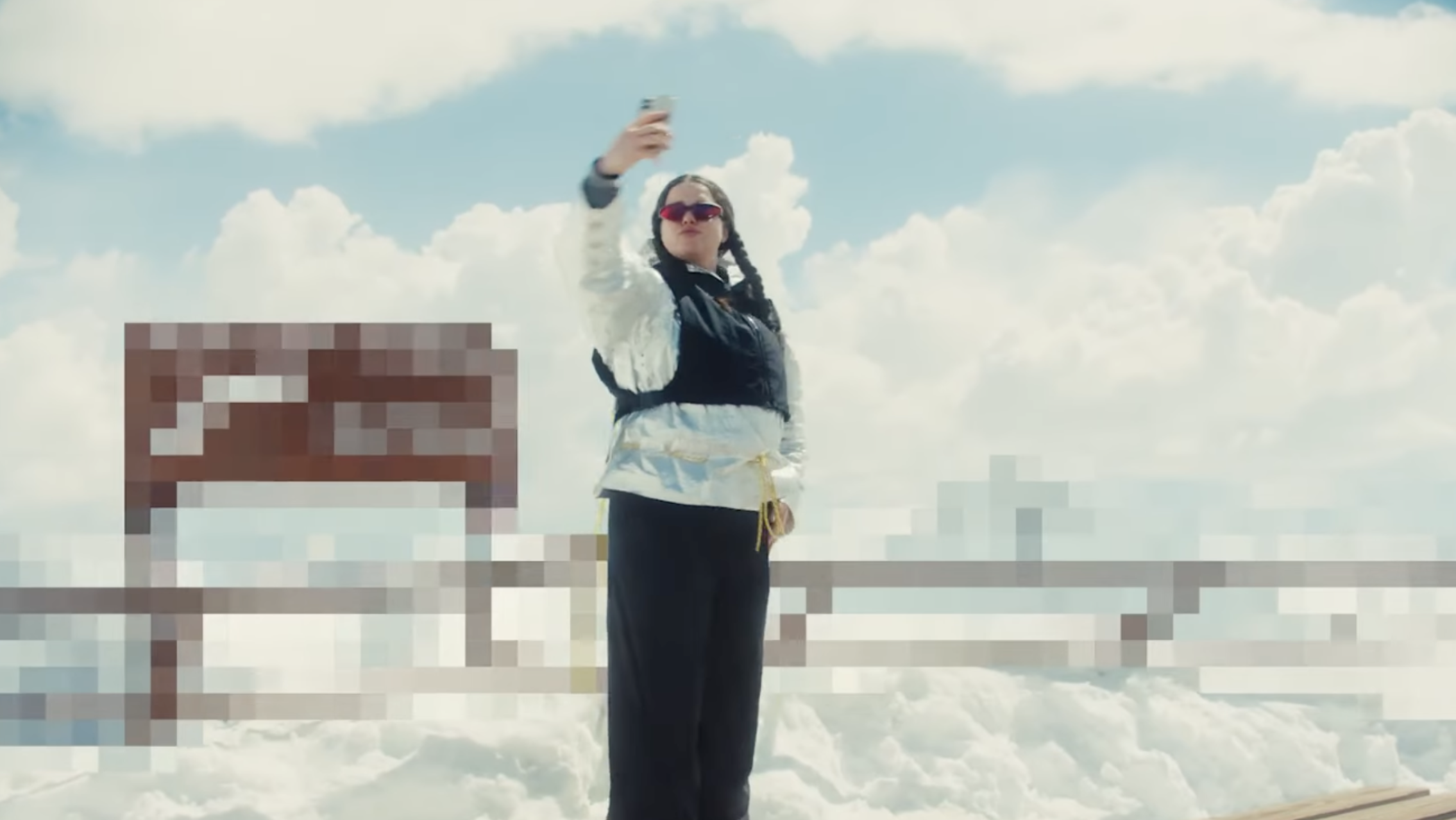
Here's the line that made me put my coffee down. Branded litter - your bottle, your can, your wrapper, lying in a gutter - is media. It's an impression. It's your logo, in public, attached to the feeling of "ugh." Sea Cleaners and Dentsu Creative Aotearoa took that idea seriously and built a model where brands pay to remove their own negative impressions from the world, and that payment funds actual ocean cleanup.
Read it twice, because it's doing something sneaky and wonderful. It speaks to a CMO in the only language a media plan respects - impressions, reach, brand sentiment - and uses that language to fund a cleanup crew. Sustainability stops being a cost centre you defend in a meeting and becomes a line item that protects your brand health. That is a genuinely new direction, which is the whole job description of this category. Breakdown here.
What the three have in common
None of them are films about a feeling. Each one changes a mechanism in the real world - a frequency, a network of bar owners, the definition of an impression - and lets the story fall out of the change rather than narrating it at you. That's the pattern I'd point any team toward right now. Stop asking "what should we say." Start asking "what could we build that makes the saying unnecessary."
The rest of the shortlist runs the same gradient, from a papal vehicle turned into a mobile clinic to a bank turning payment terminals into anti-theft buttons. It's a good year. The work is back to changing things instead of decorating them.
I'll be there - come watch it land with me
I'm genuinely excited for this one. Cannes runs June 22 to 26, the Titanium winners present live to the jury during the week, and the metal gets handed out as we go. I'll be on the ground, and I'll be updating the winners page with each Lion as it's announced.
If you want to do more than watch, open any of these breakdowns and read how the idea is actually constructed. That's the difference between admiring great work and being able to make it.
See you in Cannes.