Most soccer commercials are expensive, sweat-soaked corporate sermons. Here are the 2026 campaigns that chose chaotic human truth over generic stadium roars.

Every four years, global brand directors gather in expensive rooms to approve the exact same commercial. You know the one: a montage of slow-motion sweat, a generic stadium roar, an orchestral crescendo, and a multi-million-dollar player staring intensely into a camera lens as if they are solving cold fusion instead of kicking a leather ball.
It is a crime of expensive laziness. It is boring, it is predictable, and according to the Law Of Being Ignored, it is the fastest way to flush a fifty-million-dollar production budget down the toilet.
Here is a breakdown of the creative strategies that actually earned their keep in 2026.
The 2026 World Cup Creative Strategy Scorecard
Before we dive into the top campaigns, let us look at how the battle of ideas was fought. The brands that won did not rely on larger media budgets; they relied on creative compounding and distinctiveness over generic category rules.
Brand Campaign | The Core Strategic Move | The Behavioral Science Play |
|---|---|---|
Created a white noise machine to mask late-night cheering. | Solved a highly specific, local pain point (3:00 AM matches). | |
Hijacked the legendary goal cry into a branded chant. | Leveraged an existing high-salience cultural ritual. | |
Resurrected 90s Beckham eras for a surreal street match. | Weaponized specific nostalgia to bypass rational filters. | |
Slowed down physics to show a fan protecting his beer. | Used self-aware humor to highlight product value. |
---
1. Betclic: RED NOISE
Let us start with a campaign that actually solved a daily annoyance instead of running a 60-second TV spot. Because of timezone differences, European fans were stuck watching live matches at 3:00 AM. If you have ever tried to quietly celebrate an injury-time winner while your partner, children, or highly sensitive terrier are sleeping three meters away, you know the absolute agony of the silent scream.
Betclic did not run an ad telling people to 'cheer responsibly.' Instead, they built an actual utility: RED NOISE, a football-themed white noise machine and Spotify loop engineered to neutralize the sudden, sharp frequencies of late-night cheering. It is a brilliant execution of Solve a Daily Annoyance. It recognized that the product is not just the game; it is the domestic friction surrounding it.
"When the category is shouting for attention, the smartest brand is the one providing the earplugs."
2. Coors Light: The Coooors Call
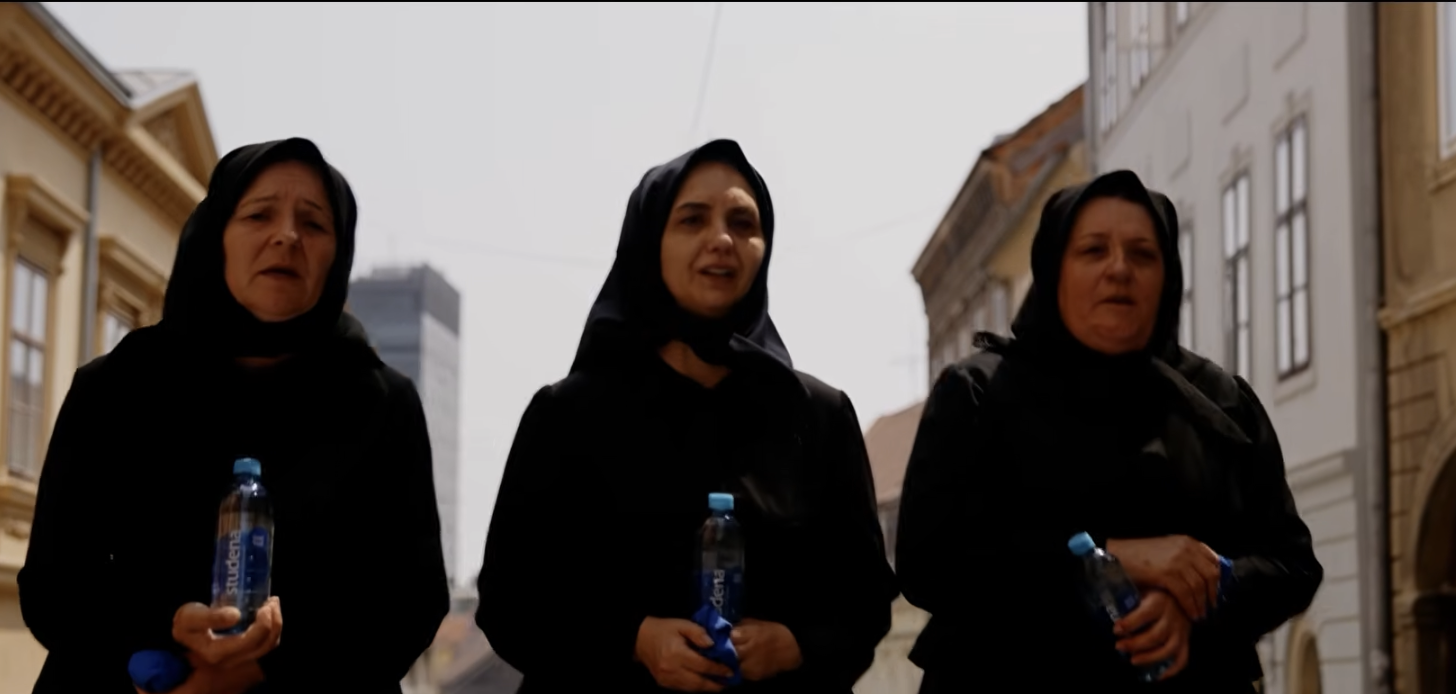
Most brands try to invent a new slogan for every tournament. They hire copywriters to write things like "Unleash Your Inner Champion," which, obviously, nobody has ever said in a real bar. Coors Light did the opposite: they looked at what fans were already doing and put their logo on it.
They partnered with legendary commentator Andrés Cantor to hijack soccer's most iconic vocal tradition - the endless, lung-bursting goal cry - and turned it into The Coooors Call. By turning "Gooooal" into "Cooooors," they executed a flawless Borrow Equity play. They did not try to build a new memory structure from scratch; they simply parked their brand inside an existing, highly emotional neural pathway.
3. adidas: Backyard Legends | The Greatest Football Story Ever Told
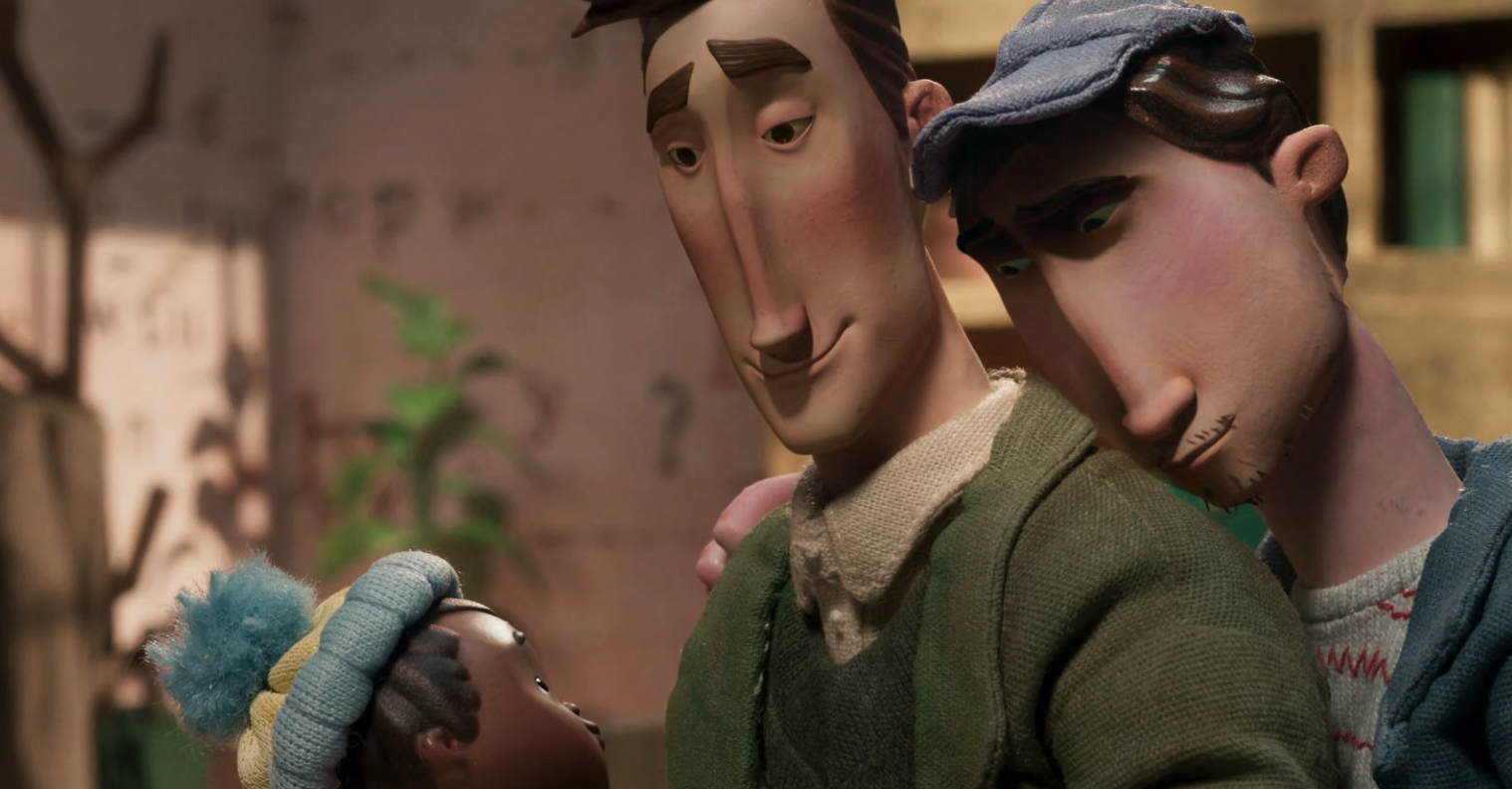
Adidas didn’t launch another World Cup campaign. They launched a football myth.
Instead of celebrating the stars at the top of the game, Backyard Legends celebrates where football greatness actually begins: on cracked concrete courts, in neighborhood rivalries, and in the stories every local pitch tells about its unbeatable heroes.
By focusing on Backyard Legends, they did not just show historical footage; they built a surreal brand myth. It works because of the Law Of Fluency - the visual cues of those iconic hairstyles are instantly recognizable distinctive assets that trigger deep, emotional memories faster than any rational argument about shoe technology.
4. Stella Artois: Celebration ft. David Beckham
If you are David Beckham, brands usually cast you as a flawless, suit-wearing deity. It is boring. Stella Artois took a different route in Celebration ft. David Beckham. During a chaotic, slow-motion pub celebration where everyone is throwing their drinks in the air, a fan goes to extreme, physically impossible lengths to protect his pint of Stella, completely ignoring the global icon standing next to him.
It is a classic example of Make the Product the Punchline. It reverses expectations by treating the beer - not the celebrity - as the most valuable thing in the room. It is witty, it is self-aware, and it respects the viewer's intelligence.
5. Nike: Rip The Script
While every other brand was trying to make their commercials look like Hollywood blockbusters, Nike decided to set the conventional sports ad on fire. They hired music-video director Dan Streit to create Rip The Script, where football stars actively rebel against a pretentious film director to prioritize instinctive, unscripted, and chaotic gameplay.
It is an aggressive execution of Break a Category Convention. By mocking the very format of the high-budget sports commercial, Nike positioned itself as the authentic, unpolished alternative to corporate gloss. It stands out because it violates visual expectations in a category that has become dangerously polite.
The Takeaway for Strategists and Creatives
If there is one lesson from the 2026 World Cup, it is that differentiation is a luxury, but distinctiveness is a necessity. According to the Distinctiveness Law, your job is not to convince people you are morally superior or scientifically better. Your job is to be easily recognized, remembered, and linked to the buying situation.
If you are still staring at an empty deck trying to figure out how to make your brand relevant for the next big cultural moment, stop trying to write a sermon. Go to the Creative Session, find a weird human flaw or a daily friction, and start there. The audience will thank you for not making them eat glass.
Don’t stop at Backyard Legends, we curated a World Cup 2026 playlist featuring these and many more standout campaigns that are shaping the tournament’s cultural conversation.